Encouragement for the Homeless

To this very hour we go hungry and thirsty, we are in rags, we are brutally treated, we are homeless. We work hard with our own hands. When we are cursed, we bless; when we are persecuted, we endure it.
1 Corinthians 4:11-12

In this short message, I want to share how:

1. The Apostle Paul Suffered Homelessness for the Gospel

2. Paul Worked Hard With His Own Hands

3. When Paul Was Persecuted, He Endured It

4. The Poor Should Be Like Paul

The Apostle Paul Suffered Homelessness for the Gospel

1.1. The Apostle Paul, the main character in the Book of Acts, was the major leader of the early Christians. At one point in his life he was anti-Christian and hated Jesus, not knowing what he was doing. Then one day, the Holy Spirit knocked him off his horse, and he saw Jesus in a vision. Jesus told him to go into all the world and preach the Gospel to everyone. That Christ had died on the cross for the sins of all men, and that because He will judge all men on Judgment Day for how they live their lives, he was to tell everyone everywhere to repent of their wicked ways, and live “in holiness and righteousness before Him, all the days of their lives” (Luke 1:75, NKJV). But if they did not repent of their wicked ways, then eternal judgment and Hell waits for them after death. This was the Gospel of Jesus Christ. This was the message that the apostle Paul travelled all over the world preaching to whoever would listen. And, as can be assumed, Paul ran into troubles with many people when he preached this message. Many people did not like to hear him preaching against their sins, rebuking them for their idol worship, sex outside of marriage, their stealing, pride, lying, coveting, atheism, homosexuality, and false religions. In response to these preachings of righteousness, people persecuted Paul, and made things as hard as possible for him. They tried to kill him, people made pacts and plots against him, they falsely accused him in court so he would go to jail, they threw him out of their cities, and many other things. They stole from him for sure, which might explain why in this Bible verse, he said “we are brutally treated, we are homeless”—perhaps he had no money to pay for a hotel, in this situation.

Paul Worked Hard With His Own Hands

1.2. Although Paul went through times, when he had no home, he still tried to find work, and he said, he “worked hard with his own hands.” He did this so that he would not be a burden to the people he was preaching the Gospel to. How many preachers today should be doing this! Not a burden to their people! See, Paul found work as a tent maker (Acts 18:3), he built up years of experience in this particular field of work. So, that wherever he went, he was able to buy food, clothing, and yes, even sometimes shelter for himself. When we come to the end of the Book of Acts, it says that he rented out a house for a number of years, preaching to the Christians (Acts 28:30-31). “And Paul dwelt two whole years in his own hired house, and received all that came in unto him” (Acts 28:30). You see how God blessed this man Paul? He was faithful to preach the Gospel, and faithful to work hard with his own hands, and God took care of him, even to the point of giving him his own house! This was the same man who said in my opening text: “To this very hour we go hungry and thirsty, we are in rags, we are brutally treated, we are homeless”—ah, but that wasn’t the end! For a man of righteous ethics and morals like this, Christians came to vouch for his character, and he made good connections along the way, into a good habitation. However, years down the road he got his head cut off for preaching the Gospel—but we don’t need to get into that!!! The point is, for the time he needed to live—it was God who sustained him. God sustained Paul, the servant of God.

When Paul Was Persecuted, He Endured It

1.3. The social implications of being in rags, and homeless, are often also being “brutally treated” as the text says. As if being in rags, and being homeless, and being unemployed weren’t bad enough! To make things worse, you got JERKS to deal with! Disrespectful Middle Class and Upper Class people who live in the lap of luxury, who laugh at you for your plight, and don’t understand one little bit of pain and suffering along your lines. In this world, they may have the upper hand. But, let it be known, that if they don’t repent their wicked ways, they will PAY THE PIPER in the other world. Abraham said to the rich man in Hell: “Son, remember that in your lifetime you received your good things, and likewise Lazarus evil things; but now he is comforted and you are tormented” (Luke 16:25). Paul, while he was in rags, and homeless, and being brutally treated, even by rich and disrespectful RELIGIOUS PEOPLE!—he bore these things in memory. That those rich and comfortable folks who demean and insult the poor of this world, will have HELL TO PAY FOR ALL ETERNITY! So, don’t feel bad when they say these things. Instead, you who are poor, remember the Bible says, God chose “the poor of this world to be rich in faith” (Jas. 2:5); you are in a spiritual high place, it is easier for you to “trust in the Lord with all your hearts, and lean not on your own understanding” (Prov. 3:5)—pray for these faithless rich people, they need your prayers; most of them, even the ones who go to church, aren’t even saved.

The Poor Should Be Like Paul

1.4. Paul said, “Imitate me, just as I also imitate Christ” (1 Cor. 11:1). Seeing that several of you are poor, as Paul was, you have an upper hand. In order to imitate Paul, the best thing to do is get a Bible, and read the book of Acts, and Romans, 1 Corinthians, 2 Corinthians, and all the other letters in the Bible that Paul wrote. Imitate how this man lived his life. He is the model Christian. And remember this: he said, “We work hard with our own hands.” He also said, at another time, “Do not be proud, but be willing to associate with people of low position” (Romans 12:16, NIV)—but actually another translation of the text is, “BE WILLING TO DO MENIAL WORK.” I am a security guard. Many people consider that to be menial work. But praise God; I rent a house and can provide for my family. And now I am looking forward to higher paying security jobs in the future. There’s power in being patient and just dealing with menial work. THANK YOU FOR LISTENING. AND I BLESS YOU ALL IN JESUS’ NAME!

Posted in Uncategorized | Leave a comment

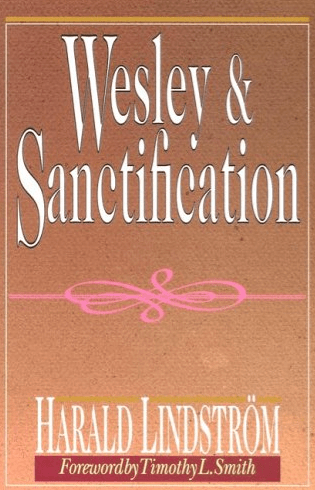
Review of Harald Lindström’s “Wesley and Sanctification”

Posted in Uncategorized | Leave a comment

A Surefire Bibliography for Prophetic Accuracy!

See also: In Pursuit of Holy Prophets, Prophetic Ministry Books Ranking, Prophetic Ministry Books Conscious of John Wesley, Etc.

Bickle, Mike. Growing in the Prophetic: A Practical, Biblical Guide to Dreams, Visions, and Spiritual Gifts. Revised and Updated. Lake Mary, FL: Charisma House, 2008.

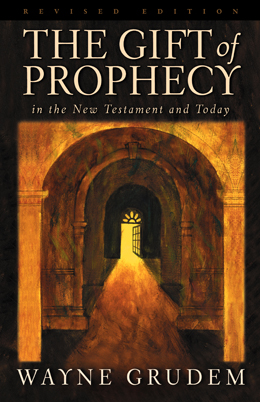
Grudem, Wayne. The Gift of Prophecy in the New Testament and Today. Wheaton, IL: Crossway Books, 2000.

Milligan, Ira. Understanding the Dreams You Dream: Biblical Keys for Hearing God’s Voice in the Night. Revised and Expanded. Shippensburg, PA: Destiny Image, 2010.

Sandford, R. Loren. Purifying the Prophetic: Breaking Free from the Spirit of Self-Fulfillment. Grand Rapids, MI: Chosen Books, 2005.

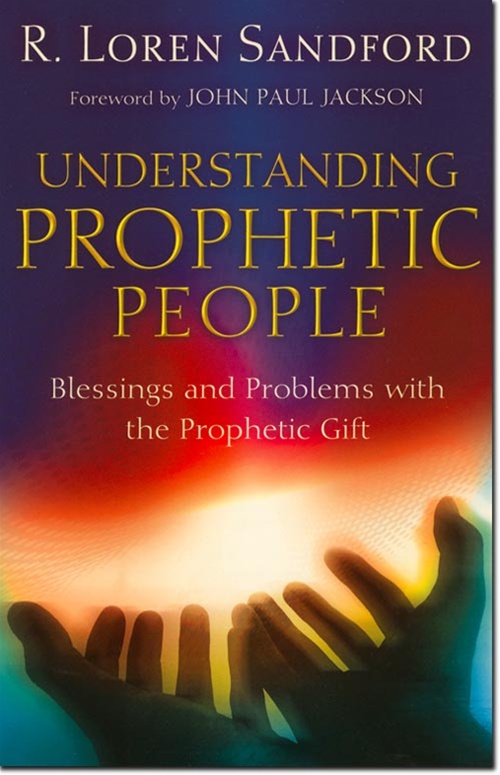
__________. Understanding Prophetic People: Blessings and Problems with the Prophetic Gift. Grand Rapids, MI: Chosen Books, 2007. Although I disagree with Loren about the soul being able to produce counterfeit “psychic” revelations, basically everything else he teaches is right on target. Personally, I side with the Catholic mystical theologians, which taught that true revelation comes from God, and false revelation comes from the devil, and the soul is merely a receptor between these two forces.

Posted in Uncategorized | Leave a comment

Soteriology for Open Air Preachers

For over a year now, God has brought me on a theological journey into the mind of John Wesley, the Arminian evangelist and open air preacher of the 18th century Methodist revival. At this point, I have almost come to fully embrace every single point of his soteriology. The only point I differ with him on, is that I’m not convinced that “perfect love”, although mentioned in 1 John, is really what Wesley understood it to be. That it is possible for a godly Christian, in this life, after many years of striving with the world, the flesh, and devil, to reach a point of desperation, and cry out to God in prayer for the gift of perfection; and that, in response to such a prayer, the Holy Spirit can purify the heart and mind completely from all evil inclinations, sinful thoughts, and sinful tempers! And, in effect, to be completely purged from the sin nature, deliverance from original sin! Now, if such a thing is possible, a supernatural deliverance from the sinful psychological effects of original sin, surely this should be the most desired experience a Christian should want. I remain, however, to be fully convinced that such a “second blessing” is available, or whether this is purely from the imagination of Wesley. But, I am cautiously still holding it out as a possibility. I’m open to, but certainly not settled on, the doctrine of Christian perfection or “entire sanctification.” But I do know this, if it does exist, I certainly am not experiencing it now!

At first, God gave me a dream in July of 2011, of me holding the book The Way to Heaven: The Gospel According to John Wesley by Steve Harper. And I was going to bring this Gospel to a summer camp in the United Methodist Church. After I bought the book, and read it, in real life, I did further study on the soteriology of this great revivalist, starting with Thomas Oden’s John Wesley’s Scriptural Christianity, which I saw in Harper’s bibliography. After I read Oden’s book, which was much more thorough, and had extensive bibliographies all throughout it, I delved even deeper into John Wesley’s Sermons: An Anthology, and studied his three crucial sermons on salvation: “Salvation by Faith” (1738), “Justification by Faith” (1746), and “The Scripture Way of Salvation” (1765). It was here that I discovered just really how Scriptural the theology of Wesley was. Each of his sermons, if they were to be preached or read from the pulpit on a Sunday morning, were about 10 pages long; and had anywhere between 90-100 Bible verses quoted in each sermon! I learned that, based on these key sermons, which would have provided the intellectual basis for what he preached in the open air, he saw Romans 3-8 as the core of the Gospel message preached by the apostle Paul. He saw the doctrines of “justification and sanctification” as the two basic doctrines of salvation for evangelism, street preaching, or theology. And that any Calvinist-Arminian debating over Romans 9-11, and predestination or election, needs to be considered only through a calm, and even tempered spirit, and certainly not the focus of any evangelistic preaching.

After I had studied Wesley’s three major sermons on salvation, I moved on to learn about the Wesleyan “order of salvation” through Kenneth Collins’ Wesley on Salvation, The Scripture Way of Salvation, and Harald Lindström’s Wesley and Sanctification. These three books have solidified my vision of just what “the Gospel of Jesus Christ” is, how men are saved, and what the process of salvation looks like throughout the duration of the Christian life. The Gospel as doctrine AND experience are thoroughly explained, and differences with Reformed theology are highlighted: especially antinomian differences. Through this study, which was prompted by the dream from God, I have learned in just what “order” I should be preaching the doctrines of salvation in the street, in the pulpit, or anywhere I have opportunity to preach the Gospel:

1. Original Sin, and the Coming Judgment of Death and Hell
2. Repentance (Consciousness of Sin by Preaching the Moral Law)
3. Faith Imparted by Preaching the Cross
4. Justification (The Forgiveness of Sins)
5. Regeneration (The Desire to Live Holy)
6. Sanctification (Growing in Holiness)

The key to all of this is “preaching the doctrines of salvation in the street”: in open air preaching, on college campuses, at the court house, at the town square, downtown on the streets, at the state capitol, or any other such area that is public property, and available for public free speech. Before I had received the dream, I was meditating here and there about the weak soteriology in the modern open air preaching movement. And how most of the open air preachers today seem to be influenced by Charles Finney’s views on sanctification, and are only preaching “obey the commandments” or “go to Hell”! I just was getting tired of all this. Because to me, these men were not preaching the Gospel; they were only preaching the Law. So, eventually I started to receive revelation on the Gospel revivalists of the past: John Wesley, Jonathan Edwards, George Whitefield, Charles Finney, etc. But the dream concentrated my thought life mainly on Wesley for the time being, and now looking back, I am so glad that I delved into this preacher’s mind instead of the others. Not that I think Wesley was “right” and Edwards, Whitefield, and Finney were “wrong”. Its just that now I firmly think Wesley was a lot more careful, precise, and exacting in his Gospel theology and his philosophy of evangelizing the Gospel message. Which was predominantly through OPEN AIR PREACHING, and sending out circuit riders, who were well-versed Wesleyan Arminian OPEN AIR PREACHERS. At this point in my understanding, the 18th century METHODISTS are to be widely credited for the revival of OPEN AIR PREACHING in modern times.

But now for a word about George Whitefield. He was a close friend of Wesley during their days at Oxford University, and the “Holy Club” they had started together, which became the founding fellowship of the Methodist Church. It was actually Whitefield who persuaded Wesley to do open air preaching. Whitefield was the first to do it. But on a theological level, Whitefield turned away from Wesley’s Arminian views on predestination and election, and eventually parted company with him. Whitefield became a “Calvinistic Methodist”–the first “Calminian” if there ever was one. He became much more of a John Bunyan preacher (Calvinist Puritan) than a John Wesley preacher (Arminian Methodist). Whitefield joined forces with Jonathan Edwards over in colonial America, and became renowned as the “torch of the Great Awakening.” Since then, Whitefield’s and Edwards’ revival success have given credit to Calvinism as the “true Gospel”, whereas Wesley and his Arminian Gospel are “no gospel at all”! On the other hand, lets not forget the Methodist revival over there in England! It was exactly the same kind of revival as the Great Awakening over here in America. And it was ARMINIAN! This should bring us some pause. Whether you are a Calvinist open air preacher or an Arminian open air preacher, you can still get the same results as Whitefield (Calvinist) and Wesley (Arminian) did in their revivals. The truth lies in where they agree: repentance, faith in the cross, forgiveness of sins, and holy living (all of which are in Romans 3-8, and other Scriptures). REVIVALS happened around the preaching of this GOSPEL! This is the GOSPEL! Its when preachers get into debating about foreknowledge, predestination, election, grace, and free will, around Romans 9-11–that’s when revivals stop! Don’t debate Calvinism-Arminianism! That doesn’t cause revival! PREACH THE GOSPEL (ROMANS 3-8)–THAT CAUSES REVIVAL! Charles Finney would back me up on this (see Lectures on Revivals of Religion, “How to Preach the Gospel”).

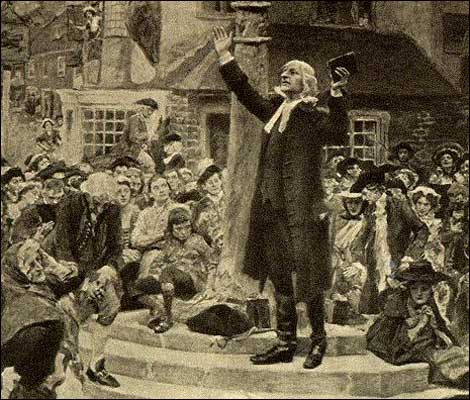
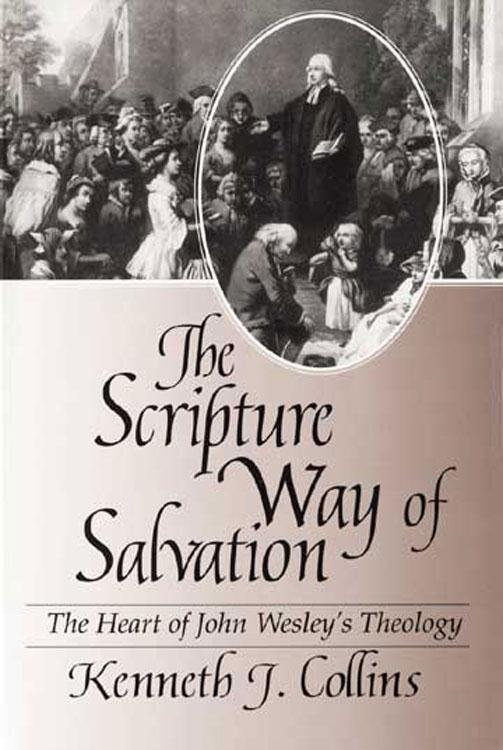
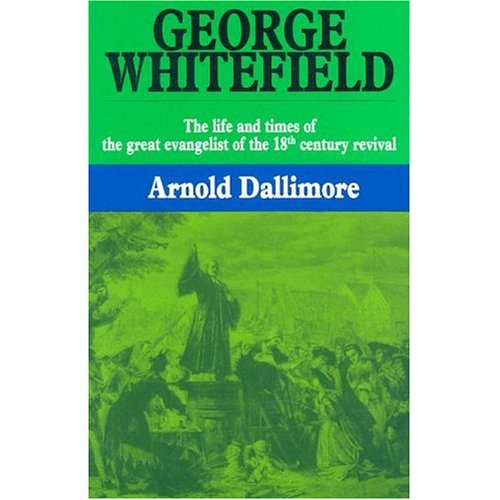
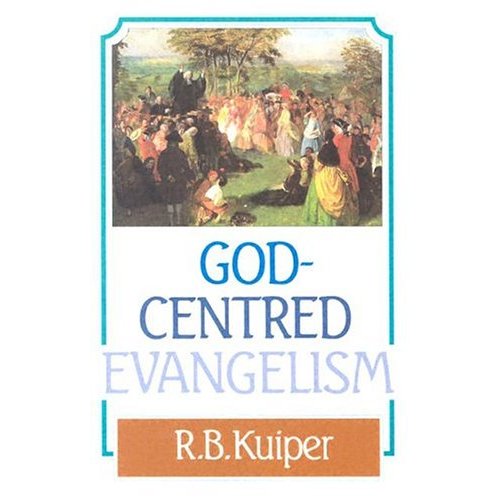
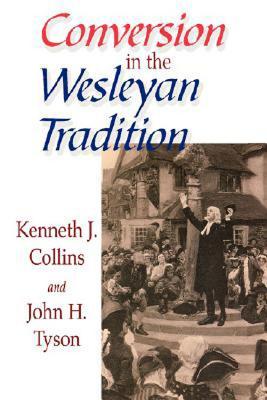
Whether you are a Whitefieldian open air preacher or a Wesleyan open air preacher, I pray that you would study books about these men, very much, if you intend on doing any open air preaching! These are THE FATHERS OF OPEN AIR PREACHERS! How can we presume to do this complicated work by our own wisdom, and not regard the wisdom, and the evangelistic success that God gave these men from the past? Not to mention Francis Asbury, who laid the foundations of the Methodist Church in colonial America through open air preaching! On a final note, it is interesting that in my study of the soteriology of John Wesley–entirely with the INTENTION OF USING WHAT I LEARN FOR OPEN AIR PREACHING–I have come across some theology books on Wesley or Whitefield, that actually have pictures of these men OPEN AIR PREACHING on the front covers of the books! What does that tell you!? That there is a logic, a theology, and certain revealed doctrinal approach to open air preaching. And it would do well for OPEN AIR PREACHERS to delve into these issues, to be strategic, and logical, and try to figure out how best they can fulfill the Great Commission for this generation:

“And He said to them, ‘Go into all the world and preach the Gospel to every creature. He who believes and is baptized will be saved; but he who does not believe will be condemned. And these signs will follow those who believe: In My Name they will cast out demons; they will speak with new tongues; they will take up serpents; and if they drink anything deadly, it will by no means hurt them; they will lay hands on the sick, and they will recover'” (Mark 16:15-19, NKJV).

and…

“Go therefore and make disciples of all the nations, baptizing them in the Name of the Father and of the Son and of the Holy Spirit, teaching them to observe all things that I have commanded you; and lo, I am with you always, even to the end of the age” (Matt. 28:19-20, NKJV).

WESLEY and WHITEFIELD SOTERIOLOGY BOOKS WITH OPEN AIR PREACHING PICTURES ON THE FRONT COVERS!!!!!!!!!!!!!!!!!!!!!!!!!!!

Posted in Uncategorized | Leave a comment

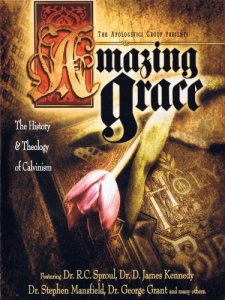
Review of “Amazing Grace: The History and Theology of Calvinism”

See also: “An Arminian Response to Charles Spurgeon’s ‘A Defense of Calvinism'”

A friend gave me a copy of the DVD set Amazing Grace: The History and Theology of Calvinism (2004), in order that I might be better educated about various Calvinistic perspectives. Being a Wesleyan-Arminian who has consistently come up against modern antinomian Calvinists, I admittedly have developed a prejudice against all Calvinists, that only by the grace of God, I will hope to be progressively delivered. My experience with some Calvinistic Baptists has almost always been negative, using “once saved, always saved” as an excuse to live in total sin and carnality all the days of their lives. But then again, there are the Paul Washers, and people like this who believe in lordship salvation, and Calvinistic, Puritan holiness. Which is something I’ve caught wind of, but have never really experienced very much of in my life. It was for this reason that my friend gave me this DVD, to balance me out a little bit, so I won’t think that all Calvinists are just demon possessed.

DISC 1: CALVINISM vs. ARMINIANISM

“Calvin’s teaching is the true teaching of Christ, Paul,…Calvin’s theology is the true exposition of Scripture” (1:07:37), declares Dr. Kenneth G. Talbot. This quote sets the tone for Disc 1. It is to prove that Calvinism is the true view of salvation; and that Arminianism is a false doctrine, a heresy, that was so out of line with the Protestant Reformers to be considered “out of Hell the Pelagian error” (2:39:26). George Whitefield is quoted as saying, “The Arminian gospel is no gospel at all.” The attack on Arminian soteriology is long, thorough, and takes hours. This is seen as a fundamental necessity for preaching Calvinism. Calvinism is the true Biblical understanding of salvation, the DVD argues, and so it stands to reason, Arminianism must be a heretical doctrine. The motive for all of this is THE GLORY OF GOD. The Calvinistic system argues that Arminianism, with its emphasis on man’s responsibility to live holy and keep his faith alive, is actually a religion of works-righteousness, self-righteousness, and nothing more than Pelagianism. Arminianism is a religion of PRIDE. Calvinism is a religion of HUMILITY.

Who is defining these words?

They seem to change throughout the DVD.

I will give my definitions. Then I would relay the reader to look up theology dictionaries, multiple times, just to confirm the words’ definitions are not changed or altered throughout the discussion.

Pelagianism – The belief that man has the will power of himself to live the Christian life, and perform all the moral commandments of God perfectly on his own strength.

Synergism – The belief that the Holy Spirit draws men to faith and obedience to the Gospel of Jesus Christ, influences them, broods over them, and helps them to choose the right way of the Christian life; yet that energy and power of God completely allows for fallen, dead, sinful wretched men, to resist the Holy Spirit, and reject the Gospel, if they so choose. Man’s ability to choose the Gospel now, and later, here a little, there a little, is always present, with the sovereign help, and influence of the Holy Spirit’s presence in their life. Man is totally responsible for his present relationship with God, because the Holy Spirit is always there reaching out His hand of divine help.

Monergism – The belief that men are dead in sin, and so, the only way they can live the Christian life, is if the Holy Spirit chooses to come into them; regenerate them, and give them power to be a Christian. The Christian does not have a free will, or any ability to choose good or evil; he is simply the regenerated, resurrected product of the Holy Spirit coming into him.

I noticed throughout the DVD, that Arminianism was not explained in Synergistic terms at all (or at least not for very long). It was explained in Pelagian terms almost exclusively; one time, the host mocks Arminians as if in a graceless, Spirit-less state, completely dead, trying to preach resurrection to a graceless, Spirit-less graveyard. But that is the PELAGIAN picture! Not the Synergist-Arminian picture! This message is all throughout the DVD: PELAGIANISM = ARMINIANISM. So, so wrong! [Not to mention, John Wesley is never mentioned in Disc 1; but in Disc 2 is called “the great Arminian evangelist!” (27:13).] Whenever the Arminian view was taught and explained, it was to show how prideful that religion must be, to claim that man’s repentance and man’s faith in the cross would give him reason to boast, in contradiction to Ephesians 2:9. But the godly Arminian does not pride himself for anything! For even the power of repentance and faith is a gift, that must be granted to him (2 Tim. 2:25); and on top of that I boast in nothing but the cross of Christ (Gal. 6:14), showing how much I trust in Jesus, and not myself!

I learned that there are different kinds of Calvinists and different kinds of Arminians. But this DVD lumps them into two camps. We have to remember that the wheat and tares have been sown together (Matt. 13:25). There are saved and unsaved Calvinists; and saved and unsaved Arminians. This should have affected the judgments of the DVD host. But it did not. An unsaved Calvinist will use his theology to justify carnality and not practice evangelism. An unsaved Arminian will use his theology to be a Pelagian, and puff himself up with his religious works and pride; and maybe even use the universal atonement viewpoint for justifying a belief in universalism! So, you can imagine the dynamics going on here. Saved and unsaved, confusion, and clarity, spreading throughout the Calvinist-Arminian debate. Wow! It just makes me want to stop arguing, and say, “Without holiness no one will see the Lord” (Heb. 12:14). In the end, that’s what’s going to pass the fiery test of God on Judgment Day; not any philosophical opinions about grace and free will.

Romans 9: the contested chapter on PREDESTINATION AND ELECTION. The DVD makes God out to show favoritism, saying, “Nowhere is man even given a scintilla of responsibility for his election” (1:48:46). I disagree: “My brothers, be all the more eager to make your calling and election sure. For if you do these things, you will never fall” (2 Pet. 1:10). It would be utter nonsense for Peter to be commanding the Christian brothers to make their election sure, if as the DVD argues, man has no “responsibility for his election”! Dr. R. C. Sproul argues that Romans 9:14 anticipates an objection to Calvinistic election: “What then shall we say? Is God unjust? Not at all!” But this quote doesn’t mean Paul was anticipating an objection to Calvinism, as if it were Biblical. John Wesley–the Arminian preacher–said in his Notes Upon the New Testament, that God has fixed terms of repentance and faith for men to be saved. If they use the grace that God has given them, with the power of the Holy Spirit, and repent and believe, like they are told to, then God will “have mercy on whom He will have mercy”! (Rom. 9:15). Namely, on those who accept the New Covenant by repentance and faith! A pagan moralist may think this is unjust for “those who have never heard the Gospel,” but who are they to question the mysterious wisdom of God? What if all men are given a chance? But so many resist the workings of conscience, and so, never reach the point of hearing the Gospel: which is the voice of Conscience itself. And what pride can there be in this?: In pleading for the sheer grace and mercy of God to save our wretched Arminian souls?!

MORAL GOVERNMENT / MORAL INFLUENCE THEORY is the doctrine that Jesus died on the cross to suffer as a moral example for Christians to follow; but not as a sacrifice for our sins. This is portrayed as “the Arminian view” of the CROSS! (2:31:01). There are some Arminian liberals who probably believe this; but this was certainly not the classic Methodist or Wesleyan-Arminian view (or anything you will find in books by Schmul Publishing or Francis Asbury Press). Wesley saw the cross the same way that Calvinist Puritans do: PENAL SUBSTITUTION: SATISFACTION OF THE WRATH OF GOD (see Kenneth Collins’ The Scripture Way of Salvation: The Heart of John Wesley’s Theology, pp. 84-86). This is why Wesley said, “I think on justification just as I have done any time these seven and twenty years; and just as Mr. Calvin does. In this respect, I do not differ from him an hair’s breadth” (Rev. John Wesley’s Journal, May 14, 1765).

PERSEVERANCE OF THE SAINTS or “Once Saved, Always Saved” in Calvinism is the belief that it is impossible for a truly saved Christian to lose his faith, holiness, and salvation. The warning passages in Hebrews are usually interpreted as a warning of God’s discipline in this life; but certainly not a warning to saved Christians about going to Hell in the afterlife. The Arminians feel this is a hazardous doctrine that encourages passivity; and discourages holiness. But the REFORMED CALVINIST (Lordship Salvation) replies: “Ah, ah. Not all Calvinists believe in the license to sin. We know that Zane Hodges’ Absolutely Free! is an antinomian heresy. But the Whitefields, Edwardses, Spurgeons, and Bunyans all required holiness of Calvinists, or they were never saved in the first place.” John Gill is quoted in his commentary for teaching that Jesus died for our past, present, and future sins. So, don’t worry, you’re secure in Christ. But remember now, says Wesley and the Arminians: “We are to have ‘faith in His blood, to declare His righteousness for the remission of sins that are past’” (Rom. 3:25, KJV). SINS THAT ARE PRESENT? SINS FUTURE? The Bible seems to remain silent about the remission of sins that are present and future, but the Calvinist preachers will not remain so silent. To me, as an Arminian, the only remedy for present sins, or potential future ones, is freshly repenting after I sin those sins, and confess those sins, and know then that God will forgive me when I repent, and maintain that clear conscience relationship with Him. To me, this is what it means to live “in holiness and righteousness before Him all the days of our life” (Luke 1:75, NKJV). And this is not a cross-less, or blood-less repentance either: every time I repent, and confess sin, I am also looking again to the cross for atonement from a fresh wrath of God at a freshly committed sin–however, God is still my Father.

DISC 2: CALVINIST EVANGELISM

I liked this disc a lot better. Although preaching the Gospel seems to be logically contradictory to the doctrine of Calvinist predestination–they reply, “It does not matter. Christ commands the Great Commission. We don’t know who the elect will be; only God knows. It remains our responsibility to go into all the world and preach the Gospel to every creature (Mark 16:15).” (02:18). Arminian evangelism is again construed through pride: “If we don’t preach the Gospel, who will? God must need us!” (04:10). On the contrary, Christ as an apparition appeared to Paul on the road to Damascus (Acts 9:3). God doesn’t need human missionaries; He just commands them; and it should be our pleasure to obey. George Whitefield and William Carey are referred to as Calvinistic missionaries; so, it proves that Calvinists don’t have to be unevangelistic and stuck in their church buildings. It has been done before! Finally: preach the law, the cross, and “repent and believe!,” and be ready to use apologetics to defend the faith.

________________________________________________________________

EXTRACTS ON LORDSHIP SALVATION (JOHN MACARTHUR, ETC)

“In 1988 John F. MacArthur, Jr published the first edition of The Gospel According to Jesus[8]. By defining salvation by what it produces and what salvation will not fail to produce–namely, not only glorification, but good works, repentance, faith, sanctification, yieldedness, and obedience[9], the book in its sales not only heavily spread the extent of the debate, but the debate expanded in scope, from questions about conversion issues, to questions about what is also necessary, and who it is who does what, throughout the Christian life. Using surrender language in the Gospel[10] became not the only issue…

“Free Grace theology became an umbrella term for a variety of opposing or contrasting positions, sometimes arguing that lordship salvation was legalistic, sometimes more opposed to it than that, for example, faulting it about not being specific about what degree, quality, and current visibility there must be to the obedience necessary[11]…

“The controversy moved to the forefront of the evangelical world in the late 1980s when John F. MacArthur argued that the one-third of all Americans who claimed to be born again according to a 1980 Gallup poll reflected millions who are deceived, possessing a false, soul-destroying assurance [17]…

“There was lots of published response, particularly from seminary faculty. For example, an early review of the 1988 edition of The Gospel According to Jesus appeared in a Jan-Mar 1989 Bibliotheca Sacra article by Darrell L Bock[18]. Also in 1989, Charles Ryrie published So Great Salvation and Zane C. Hodges published Absolutely Free! A Biblical Reply to Lordship Salvation…

“While the concept of ‘free grace’ dates to the 17th century or before, ‘Free Grace’ became the popular term for the opposing camp in the lordship salvation debate, and for the ideas against lordship salvation by authors such as Charles Ryrie, Chuck Swindoll, Charles Stanley, Norman Geisler, and Bill Bright” (“Lordship Salvation Controversy,” Wikipedia).

______________

From John MacArthur’s “A 15-Year Retrospective on the Lordship Controversy”:

“Where you land on the lordship question will also have far-reaching implications for your views on assurance, faith, repentance, eternal rewards, human depravity, the role of the moral law, and a host of other crucial doctrines. Almost no aspect of soteriology is left untainted by the errors of no-lordship doctrine.

“So this is still a vital issue and one pastors can ill afford to ignore. If you are the least bit undecided about where you stand in the lordship debate, you need to study the issue carefully and come to solid biblical conclusions about it. Here are some books we recommend, beyond The Gospel According to Jesus(Zondervan, 1988) and The Gospel According to the Apostles(Word, 1993):

  • Belcher, Richard P. A Layman’s Guide to the Lordship Controversy. Southbridge, MA: Crowne, 1990.
  • Boice, James M. Christ’s Call to Discipleship. Chicago: Moody, 1986.
  • Chantry, Walter. Today’s Gospel: Authentic or Synthetic? Edinburgh: Banner of Truth, 1970.
  • Chrisope, T. Alan. Jesus Is Lord. Welwyn, Hertfordshire: Evangelical Press, 1982.
  • Crenshaw, Curtis I. Lordship Salvation: The Only Kind There Is! Memphis: Footstool, 1994.
  • Gentry, Kenneth L. Lord of the Saved: Getting to the Heart of the Lordship Debate. Phillipsburg, NJ: Presbyterian & Reformed, 1992.
  • Hoekema, Anthony A. Saved by Grace. Grand Rapids: Eerdmans, 1989.
  • Kuiper, R. B. God Centered Evangelism. Edinburgh: Banner of Truth, 1961.
  • Lescelius, Robert. Lordship Salvation: Some Crucial Questions and Answers. Asheville, NC: Revival Literature, 1992.
  • Reisinger, Ernest C. Lord & Christ. Phillipsburg, NJ: Presbyterian & Reformed, 1994.
  • ___________________. Today’s Evangelism: It’s Message and Methods. Phillipsburg, NJ: Craig, 1982.
  • Tozer, A. W. I Call It Heresy! Harrisburg, PA: Christian Publications, 1974.

Please note that our recommendation of these books does not necessarily constitute an endorsement of everything by all of these authors.”

Posted in Uncategorized | Leave a comment

The Four Last Things

DEATH

  1. Death is God’s punishment for sin. Adam ate the forbidden fruit: “you must not eat from the tree of the knowledge of good and evil, for when you eat of it you will surely die” (Gen. 2:17); “sin entered the world through one man, and death through sin, and in this way death came to all men, because all sinned” (Rom. 5:12).
  2. At death, the soul is immediately sent to either Heaven or Hell (see Luke 16:19-31).

JUDGMENT

  1. God’s act of sending a departed soul is a judgment: “it is appointed unto men once to die, but after this the judgment” (Heb. 9:27, KJV).—PARTICULAR JUDGMENT
  2. There will also be a Day of Judgment, when all men will give an account of their lives to God (see Rev. 20:11-15).—GENERAL JUDGMENT

HELL

  1. Hell is a place of eternal punishment for the wicked after they die; in the center of the Earth, in the spirit world (Ezek. 26:20); and will be finalized by the Lake of Fire after Judgment Day (see Rev. 14:10-11, NKJV; 20:15). Hell, according to Luke 16:19-31, consists of torment, seeing saints far away in Paradise, crying for relief, parched, dry, thirsty, burning in fire, agony, knowing that you cannot go to Heaven because of the chasm, and worry for loved ones alive on earth that they too might come to Hell.
  2. The Lake of Fire is forever and ever: “these shall go away into everlasting punishment: but the righteous into life eternal” (Matt. 25:46, KJV).

HEAVEN

  1. Heaven is a place of eternal bliss for the righteous after they die; in the Third Heaven above the stars, in the spirit world (2 Cor. 12:2); and no longer Abraham’s Bosom; it consists of the holy city New Jerusalem with gates, high walls, and angels guarding them, the throne of God, no tears, no death, no crying, no pain, fresh water to drink, no wicked men, there are angels, mountains, the glory of God, precious stones of many colors, gold is abundant, the New Jerusalem is laid out like a square golden city, there is a main street that goes through it—like see-through glass but golden, there is no sun or moon because the city is illuminated by the light of Jesus, and so, there is no night time either, a river of crystal clear water goes down the middle of the main street, and the Tree of Life from the Garden of Eden bearing twelve kinds of fruit, the white-robed saints of the ages will regularly see the face of God (see Rev. 21-22).
  2. Heaven is temporary until Judgment Day; followed by the creation of a new heavens and a new Earth (Isa. 65:17).
Posted in Uncategorized | Leave a comment

Dream: Churches Aren’t Preaching the Gospel

I dreamed that I was trying to make a loved one understand how churches at large, and their pastors, are not preaching the Gospel. How this presents a real challenge to me finding honest employment with a church. The person did not understand; the person rolled the eyes; shook the head; and exclaimed, “Why are you so difficult! It’s not really as bad as you say!” I said, “I would have to become lukewarm, lose my faith, my ethics, and go to Hell–in order to maintain a good solid pastor’s career in most of today’s churches.” The person didn’t understand; and wouldn’t hear any of it; nor want to understand what I was talking about: “the time will come when men will not put up with sound doctrine. Instead, to suit their own desires, they will gather around them a great number of teachers to say what their itching ears want to hear” (2 Timothy 4:3).

Posted in Uncategorized | Leave a comment

The Forgiveness of Sins by Faith in Christ’s Death

The Judge of all men is also the same person as the Savior of all men: Jesus Christ. The fall of man, the sinfulness of sin, the corruption of the human race, and transgression of God’s law are all clear. “In the past God overlooked such ignorance, but now He commands all people everywhere to repent. For He has set a day when He will judge the world with justice by the Man He has appointed. He has given proof of this to all men by raising Him from the dead” (Acts 17:30-31)—this Man who will judge the world with justice is none other than the Lord Jesus Christ. To “repent” means to change your heart, and manner of life, to turn away from wickedness, and onto the path of righteousness.

Some preachers say that it is impossible for a man to do this! Sad lot! They say that man is so corrupt and sinful that he is unable to repent, even all the while: God “commands all people everywhere to repent”! (Acts 17:30). Some of these people (though not all) call themselves Calvinists. They say, “God’s Spirit forces them to repent if they are to be saved, and this will all happen in good time; so it is not for preachers to preach the commandment of repenting.” But can I respectfully say this sounds silly? The conscience is a gift from the Holy Spirit: “the true Light which gives light to every man coming into the world” (John 1:9, NKJV); and that which was perfectly manifested in the person of Jesus. “‘Do not I fill Heaven and Earth?’ declares the Lord” (Jer. 23:24). The Holy Spirit is omnipresent, all-present, everywhere; drawing all men to Christ by the conscience He has enlightened them with, so that “when Gentiles, who do not have the law, do by nature things required by the law, they are a law for themselves” (Rom. 2:14). But “all have sinned and fall short of the glory of God” (Rom. 3:23); and no one can keep the law perfectly, even if all they are working with is the conscience they have been given. It is for this reason that Christ said of His dying on the cross: “I, when I am lifted up from the earth, will draw all men to Myself” (John 12:32).

“Therefore the law was our tutor to bring us to Christ” (Gal. 3:24). But when the man with the sensitive conscience comes to Christ, he will hear Him say, “I am the Way, the Truth, and the Life. No one comes to the Father except through Me” (John 14:6). That is, you cannot come to a right relationship with God through any other faith: not through Hinduism, Buddhism, Islam, Taoism, Judaism, or any cult. Why? Because they do not have atonement. Only the death of Christ, the Messiah prophesied through the Old Testament (Isa. 53; Ps. 22)—only His death on the cross atoned for the sins of the world, the transgressions of the law. This is why no one comes to the Father except through Jesus. “He is the atoning sacrifice for our sins, and not only for ours but also for the sins of the whole world” (1 John 2:2). And “whoever believes and is baptized will be saved, but whoever does not believe will be condemned” (Mark 16:16). “He who believes in the Son has everlasting life; and he who does not believe the Son shall not see life, but the wrath of God abides on him” (John 3:36, NKJV).

What exactly is “atonement”? In order for us to understand this fully, and to apply it to our lives by faith in it, let us define some terms:

Atonement – To become “at one,” or in union with, or reconciled to a right relationship with God. Formerly there was a breach or separation in this relationship because of the guilt of sin; but now, with the coming of Christ as the only Mediator between God and man (1 Tim. 2:5), dying for man’s sins, through faith only in this, is the breach healed, and a right relationship to God restored and reconciled. To preach this Gospel message is called “the ministry of reconciliation” (2 Cor. 5:18). Those who continue in this faith are considered “saved” from the wrath of God, and from an eternal punishment in Hell fire (Rom. 5:9).

Propitiation – To appease the wrath, and calm down the anger of someone; and in turn, make them turn to you with a favorable attitude. In our understanding of the atonement, Christ died on the cross and shed His blood to appease the justice and wrath of God at our sins, so that He might turn favorably to us with the love He has for all men, while at the same time maintaining all His holiness and righteousness: “In this is love, not that we loved God, but that He loved us and sent His Son to be the propitiation for our sins” (1 John 4:10, NKJV). The NIV says “atoning sacrifice” instead of propitiation.

Expiation – To make amends for one’s crimes; to repair the damage that has been done to another. In relation to the atonement, we lost and guilty sinners, are to make amends for our sins against an eternally holy God through one way only: FAITH that Jesus’ death on the cross is sufficient to save us from God’s wrath (Rom. 5:9), provided that we repent from sin, and go and try to sin no more throughout the course of our Christian life (John 8:11). “We are accounted righteous before God, only for the merit of our Lord and Savior Jesus Christ by faith, and not for our own works or deservings.”[2] There are no other good works that can be done to appease the wrath of God: only faith in the blood of Jesus will do. Although God requires Christians to live a holy and righteous life, and try to keep the commandments out of obedience and love—this is all too imperfect, and is certainly not good enough to appease God’s wrath. “Good works, which are the fruits of faith, and follow after justification, cannot put away our sins, and endure the severity of God’s judgment.”[3] ONLY FAITH in the shed blood, and death of Christ, will calm down the righteous anger of God at you (Rom. 3:25; Eph. 2:8-9).

Why is this necessary? I don’t think I will ever understand the full meaning of the revelation on the death of Christ. But I know this: I am a sinner and God is holy. God was angry at me till I repented of my wicked ways, and believed Jesus died on the cross for my sins. If Christ had not stepped in to receive the punishment I deserve for my sins, I should deserve to be punished eternally in Hell fire; for the wrath of God would abide eternally on my immortal soul. Just as animals such as bulls, sheep, and goats were burned on the altar in the Old Testament as sin offerings (Lev. 4:29-31)—so I would have to be burned forever in the lake of fire and brimstone, and the smoke of my torment would rightly have to ascend forever and ever, into the nostrils of God Almighty (Rev. 14:9-11).

In Hell there is no forgiveness of sins, because the wrath of God abides eternally on those immortal souls who chose not to believe the Son of God died on the cross for their sins. They had their chance to live by faith; and stand justified before God; but they gave up on faith and chose to live in sin, and their guilt remained, and they died in their sins and remained that way till now, and will, forever and ever. “It is the blood by reason of the life that makes atonement” (Lev. 17:11, NASB). If the life-blood of God, Jesus Christ, is not applied to your life by faith in it—how can there be anything except the wrath of God abiding on you? You are too wicked; your life is just one enormous sin. Your sins mount up to Heaven, as a stinking garbage heap of refuse, ready to be burned in the fire of Hell!

“The Avenger of Blood” is after you, sinner! (Deut. 19:12). The Father has seen that His Son has been killed; and He is urgent to exact revenge upon the ungodly: all who will not believe, and all who mock Christ, and in spirit, join with those wicked ones who crucified Him. Choose you this day (Josh. 24:15)—to serve God or satan; to live in sin, or to have faith in the blood of Christ turning away His Father’s wrath at you, and pursuing God in a life of righteousness, and obedience, yea, an imperfect obedience to His law, but still growing; and a holy submission to Christ, not only as your Savior from Hell, but as your Lord, King, and Governor, and law giver in this life. Not only did Christ come to save you from Hell in the afterlife, but also from sin in your present life. It is for these two reasons that “we have redemption through His blood, the forgiveness of sins, according to the riches of His grace” (Eph. 1:7).

The blood, the gore, and the death of Christ—like the animal sacrifices of the Old Testament—has been commanded and ordained by God to show to men the consequences of their sins: how horrible they are—that either an innocent animal or the innocent Christ would have to suffer on your behalf, because the cost of the sin-guilt is too high for any man to pay back to satisfy God’s justice. And also, to show man the WRATH that God has for sin: how angry He must be—that when reconciliation with man is to be made; it must only be done by means of extreme violence to a pure and innocent being. As if to reverse the violence and offense that man has done in sinning against the only pure and innocent God.

And note: faith in Christ’s blood only appeases God’s wrath for “the remission of sins that are past” (Rom. 3:23, KJV). The blood of Christ does not atone for presently committed or future sins; there is no way you can cheapen God’s grace, and somehow avoid holy living; God sees what you are doing. The blood only applies to sins you have committed in the past. Jesus did not die on the cross for your “past, present, and future sins”—as some people say. Only for “the remission of sins that are past.” This requires us to maintain a clear conscience before God; and to live “in holiness and righteousness before Him, all the days of our life” (Luke 1:75, KJV). “But if anybody does sin, we have one who speaks to the Father in our defense—Jesus Christ, the Righteous One” (1 John 2:1). And if, as Christians trying to live for God, after we give into a temptation, and sin, if “we confess our sins, He is faithful and just to forgive us our sins, and to cleanse us from all unrighteousness” (1 John 1:9). “After we have received the Holy Ghost, we may depart from grace given, and fall into sin, and by the grace of God we may arise again, and amend our lives.”[4]

And so, although Christians are called to live in holiness and righteousness, when we fall into sin, for that is probably going to happen: we can return with the eyes of faith to the cross of Christ, and receive atonement again for our freshly committed sins; and once again, return to the war against evil within our hearts and lives. This is possible because His death was “offered for all time one sacrifice for sins” (Heb. 10:12). “Christ died for sins once for all, the Righteous for the unrighteous, to bring you to God” (1 Pet. 3:18). His death stands as a perpetual atonement that we can return to again and again for our sins; so that in faith, in prayer, and in life, we may continue to walk in spiritual peace with God.

Only after the extreme violence done to Christ on the cross was expressed by the devil’s workers, under the administration and direction of God, can peace with God, and forgiveness of sins result upon confession of faith in this. We have “peace through His blood, shed on the cross” (Col. 1:20). Only in Christ’s death can we stand boldly before the Throne of Grace (Heb. 4:16); only in this has God’s revenge against Christians’ sins been completed: “it is finished” (John 19:30). Only in this can sinners receive His forgiveness, and come to God by a true and living spiritual friendship. And be like the founder of the faith: “‘Abraham believed God, and it was credited to him as righteousness,’ and he was called God’s friend” (Jas. 2:23). We must be careful to examine our lives; and to remember what Christ has done for us, and continues to offer us, on the cross; it is for this reason that we take the Lord’s Supper: “In the same way, after supper He took the cup, saying, ‘This cup is the New Covenant in My blood; do this, whenever you drink it, in remembrance of Me.’ For whenever you eat this bread and drink this cup, you proclaim the Lord’s death until He comes” (1 Cor. 11:25-26).

This section from “In Christ Alone” by Stuart Townend, seems fitting:

In Christ alone who took on flesh
Fullness of God in helpless babe
This gift of love and righteousness
Scorned by the ones He came to save:
Till on that cross as Jesus died,
The wrath of God was satisfied
For every sin on Him was laid;
Here in the death of Christ I live.

And the prophecy of Isaiah, from around 712 B.C.:

He was wounded for our transgressions,
He was bruised for our iniquities;
The chastisement for our peace was upon Him,

And by His stripes we are healed.
All we like sheep have gone astray;
We have turned, every one, to his own way;
And the Lord has laid on Him the iniquity of us all…
It pleased the Lord to bruise Him;
He has put Him to grief.
When You make His soul an offering for sin…
By His knowledge My Righteous Servant shall justify many,
For He shall bear their iniquities…
He poured out His soul unto death,
And He was numbered with the transgressors,
And He bore the sin of many,
And made intercession for the transgressors.
                                                 (Isa. 53:5-6, 10-12, NKJV)


[1] Or, the Doctrine of Justification by Faith Only.

[2] Article XI: “Of the Justification of Man” in The Thirty-Nine Articles of Religion of the Church of England.

[3] Article XII: “Of Good Works,” ibid.

[4] Article XVI: “Of Sin after Baptism,” ibid.

Posted in Uncategorized | Leave a comment

How Do You Find a Gospel Preaching Church? – Bernie Gillespie

For the full original article, click here.

Question: “You have advised me to find a ‘Gospel preaching church.’ How do I know that a church is preaching the Gospel?”

Answer: This is a very important and serious question. Obviously, no one can provide a foolproof measuring stick for evaluating churches and their preaching. There are many important issues for determining the faithfulness of a local church to its Scriptural obligations. I can only suggest several very crucial characteristics that I believe one should look for in a church. Historically, the Protestant view of the marks of a true church were: 1) preaches the Gospel of Jesus Christ; 2) administers the biblical sacraments (baptism & Lord’s Supper); 3) practices Biblical discipline. Because of time and the question at hand, I will focus on the first one. This does not mean the last two are not very important. I will write on these later. But, for this space we will look at preaching the Gospel as the first mark of a true church.
…
It is the truth that makes the Church. The Gospel is the bare minimum of what determines a faithful church. I am not so concerned whether the church has a Boy Scout troop, a dynamic, interactive Sunday School curriculum, a quality contemporary pre-service warm-up band, the top speakers in the Evangelical circles, a Promise Keepers men’s group, or a gymnasium for youth sports. Honestly, these are not only peripheral things, some are fads which are not much more than blips on the radar screen of church history. The Church has survived every known weapon of Satan through two thousand years, and for most of its existence, the Church has survived without any of the above. But, take away the Gospel, and the Church is dead where it stands. “For the weapons of our warfare are not carnal, but are mighty through God to the pulling down of strongholds” (2 Corinthians 10:4). May we hold to the one thing that will never fail or fall–our gracious Lord and Savior, Jesus Christ. The Church that pours its energy into exalting Christ and telling the world about His grace is a good place to make one’s home.

Posted in Uncategorized | Leave a comment

The Seeker-Friendly Way of Doing Church – T. A. McMahon

To read the original article, click here.

T A McMahonThe “seeker-friendly,” or “seeker-sensitive,” movement currently taking a host of evangelical churches by storm is an approach to evangelizing through application of the latest marketing techniques. Typically, it begins with a survey of the lost (referred to by a leading church in this trend as the “unchurched,” or “unchurched Harry and Mary”). This survey questions the unchurched about the things their nearby place of worship might offer that would motivate them to attend. Results of the questionnaire indicate areas of potential changes in the church’s operations and services that would be effective in order to attract the unchurched, keep them attending, and win them to Christ. Those who have developed this marketing approach guarantee the growth of the churches that conscientiously follow their proven methods. Practically speaking, it works!

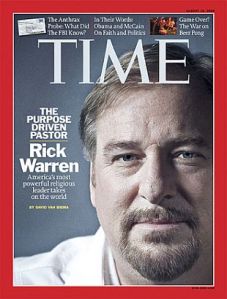
Two churches are seen as models for this movement: Willow Creek Community Church (near Chicago), pastored by Bill Hybels, and Saddleback Valley Community Church (south of Los Angeles), pastored by Rick Warren. Their influence is stunning. Willow Creek has formed its own association of churches, with 9,500 members. Last year, 100,000 church leaders attended at least one Willow Creek leadership conference. More than 250,000 pastors and church leaders from over 125 countries have attended Rick Warren’s Purpose Driven Church seminars. More than 60,000 pastors subscribe to his weekly email newsletter.

We visited Willow Creek Community Church not too long ago, and it seems to have spared no expense in its mission to attract the masses. Looking past the swans gliding across a mirror lake, one sees what could be mistaken for a corporate headquarters or a very upscale shopping mall. Just off the sanctuary is a large bookstore and an extensive eating area supplied by a food court with five different vendors. A jumbotron screen allows an overflow crowd or those enjoying a meal to view the proceedings in the main sanctuary. The sanctuary itself is spacious and high tech, complete with three large screens and state-of-the-art sound and lighting systems for multimedia, drama, and musical presentations.

While impressive, Willow Creek is not unique among mega-churches with a reach-the-lost-through-whatever-turns-them-on mindset. Mega-churches across the country have added bowling alleys, NBA regulation basketball courts with bleachers, exercise gyms and spas, locker rooms, auditoriums for concerts and dramatic productions, and Starbucks and McDonald’s franchises—all for the furtherance of the “gospel.” Or so it is claimed. Although it’s true that such churches are packing them in, that’s not the whole story in evaluating the success of this latest trend in “doing church.”

The stated goal of seeker-friendly churches is reaching the lost. Though Biblical and praiseworthy, the same cannot be said for the methods used in attempting to achieve that goal. Let’s begin with marketing as a tactic for reaching the lost. Fundamentally, marketing has to do with profiling consumers, ascertaining what their “felt needs” are, and then fashioning one’s product (or its image) to appeal to the targeted customer’s desires. The hoped-for result is that the consumer buys or “buys into” the product. George Barna, whom Christianity Today calls “the church’s guru of growth,” claims that such an approach is essential for the church in our market-driven society. Evangelical church-growth leaders are adamant that the marketing approach can be applied–and they have employed it–without compromising the Gospel. Really?

First of all, the Gospel and, more significantly, the person of Jesus Christ do not fit into any marketing strategy. They are not “products” to be “sold.” They cannot be refashioned or image-adjusted to appeal to the felt needs of our consumer-happy culture. Any attempt to do so compromises to some degree the truth of who Christ is and what He has done for us. For example, if the lost are considered consumers and a basic marketing “commandment” says that the customer must reign supreme, then whatever may be offensive to the lost must be discarded, revamped, or downplayed. Scripture tells us clearly that THE MESSAGE OF THE CROSS is “foolishness to them that are perishing” and that Christ Himself is a “rock of offense” (1 Cor. 1:18; 1 Pet. 2:8). Some seeker-friendly churches, therefore, seek to avoid this “negative aspect” by making the temporal benefits of becoming a Christian their chief selling point [peace, love, and joy]. Although that appeals to our gratification-oriented generation, it is neither the Gospel nor the goal of a believer’s life in Christ.

Secondly, if you want to attract the lost on the basis of what might interest them, for the most part you will be appealing to and accommodating their flesh. Wittingly or unwittingly, that seems to be the standard operating procedure of seeker-friendly churches. They mimic what’s popular in our culture: top-forty and performance-style music, theatrical productions, stimulating multi-media presentations, and thirty-minutes-or-less positive messages. The latter, more often than not, are topical, therapeutic, and centered in self-fulfillment–how the Lord can meet one’s needs and help solve one’s problems.

Those concerns may be lost on increasing numbers of evangelical pastors but, ironically, not on some secular observers. In his perceptive book This Little Church Went to Market, Pastor Gary Gilley notes that the professional marketing journal American Demographics recognizes that people are

…into spirituality, not religion….Behind this shift is the search for an experiential faith, a religion of the heart, not the head. It’s a religious expression that downplays doctrine and dogma, and revels in direct experience of the divine–whether it’s called the ‘Holy Spirit’ or ‘cosmic consciousness’ or the ‘true self.’ It is practical and personal, more about stress reduction than salvation, more therapeutic than theological. It’s about feeling good, not being good. It’s as much about the body as the soul….Some marketing gurus have begun calling it ‘the experience industry.’ (pp. 20-21)

There’s another item that many pastors seem to be missing in their excitement over “growing your church through attracting the lost.” Although numbers seem to rule in this seeker-friendly mania (an amazing 841 churches in this country have reached the “mega” category, with 2,000 to 25,000 weekend attendees), few have realized that the sizeable increase in church attendance is not due to the influx of the unchurched. During the last 70 years, the percentage of this country’s population attending church has been relatively constant at about 43 percent. A spike of 49 percent in 1991 (years prior to today’s initial seeker-sensitive enthusiasm) gradually declined, returning to 42 percent in 2002 (www.barna.org). From where, then, do those mega-churches, which have outfitted themselves to accommodate the unchurched, get their members? Mostly from smaller churches that aren’t interested in or that can’t afford the fleshly attractions. And what of the supposed horde of unchurched Harrys and Marys who have been assembled? They constitute a very small part of mega-church congregations. During his year of researching Willow Creek, G. A. Pritchard, in his book Willow Creek Seeker Services (Baker Book House, 1996), estimated that the targeted unchurched made up only between 10 and 15 percent of the 16,000 or so who attended weekend services!

If this percentage is typical among seeker-friendly churches, which likely is the case, a rather disturbing situation has developed. Thousands of churches here and abroad have completely restructured themselves as outreach centers for the unchurched. This, by the way, is not Biblical. The church is for the maturing and equipping of the saints, who then go out to reach the lost. Nevertheless, seeker-sensitive churches have turned to entertainment and conveniences in order to attract Harry and Mary and make them feel comfortable in their new church environment. In order to keep them coming back, they have avoided the thorough teaching of Scripture in favor of positive, uplifting messages designed to make them feel good about themselves. As unchurched Harry and Mary continue to attend, they get only a vague hint of Biblical truth that might bring conviction of sin and true repentance. Worse yet, they get a psychologized view of themselves that undermines that truth. However, as grievous as that situation is, it doesn’t end there.

The vast majority of those who attend seeker-friendly fellowships profess to be believers. Yet most were drawn to those churches by the same worldly allurements that were meant to entice the unchurched, and they continue to attend, being fed the same Biblically anemic diet created for the wooing of unbelievers. At best, they receive the skimmed milk of the Word; at worst, pablum contaminated with “profane and vain babblings, and oppositions of science falsely so called” (1 Tim. 6:20). Certainly a church can grow numerically on that basis, but not spiritually. Furthermore, there is no opportunity for believers to mature in the faith in such an environment. In defense of seeker-sensitive churches, some have argued that mid-week services are set apart for discipleship and getting into the meat of Scriptures. If that indeed is the case, it’s a rare exception rather than the rule.

As we’ve noted, most seeker-friendly churches focus much of their time, energy, and resources on accommodating unchurched Harry and Mary. Consequently, week after week, the entire congregation is subjected to a diluted and leavened message. Then, on Wednesday evening, when a fellowship is usually reduced to a quarter or a third of its normal size, would it be reasonable to assume that this remnant is served a nourishing meal featuring the meat of the Word, expositional teaching, and an emphasis on sound doctrine and discipleship? Hardly. We’ve yet to find a seeker-friendly church where that takes place. The spiritual meals offered at mid-week services are usually support group meetings and classes for discerning one’s spiritual gifts or going through the latest psycho-babble-ized “Christian” bestseller such as John Eldredge’s Wild at Heart rather than the study of the Scriptures.

Perhaps the most insidious aspect of the seeker-friendly approach to doing church is an attempt to impress the unchurched by looking to and quoting those regarded as the experts in solving all their mental, emotional, and behavioral problems: psychiatrists and psychologists. Nothing in the history of the church has undermined the truth of the sufficiency of God’s Word for “all things that pertain unto life and godliness” (2 Pet. 1:3) more than the introduction of the pseudo-science of psychotherapy. Its thousands of concepts and hundreds of methodologies are unproven, contradictory, unscientific, and thoroughly un-Biblical, as we’ve documented in our books and in previous articles. Pritchard observed that at Willow Creek “Hybels not only teaches psychological principles, but often uses the psychological principles as interpretive guides for his exegesis of Scripture….King David had an identity crisis, the Apostle Paul encouraged Timothy to do self-analysis, and Peter had a problem with boundary issues. The point is, psychological principles are regularly built into Hybels’ teaching” (p. 156).

During my own visit to Willow Creek, Pastor Hybels gave a message that began with Scripture and addressed the problems that result when people lie. However, he mustered his chief support regarding the harmful consequences of lying from psychiatrist M. Scott Peck, the author of The Road Less Traveled (Simon & Schuster, 1978), who declared in that book (pp. 269-70), “God wants us to become Himself (or Herself or Itself)”!

Saddleback Community Church likewise is entrenched in the psychotherapeutic. Although claiming to be Christ-centered rather than psychological, it has one of the largest conglomerations of Alcoholics Anonymous-based 12-Step recovery programs in the country. The church sponsors more than a dozen support groups, such as Adult Children of Chemically Addicted, Codependency, Co-Addicted Women in a Relationship with Sexually Addicted Men, Eating Disorders, and so forth. Each group is normally led by someone “in recovery” from the “addiction,” and the resource materials for understanding the “disorder” include books mostly authored by psychiatrists and psychologists (www.celebraterecovery.com). Although “in denial” about his use of “pop psychology,” much of it permeates Rick Warren’s work, including his seven-million bestseller, The Purpose Driven Life, which is largely about self-fulfillment, promotes Celebrate Recovery, and is sprinkled with psych references such as “Samson was co-dependent” (p. 233).

The overriding message from psychologically driven Willow Creek and Saddleback is that the Word of God and the power of the Holy Spirit are insufficient for delivering a person from a habitual sin and for transforming his or her life into one that is fruitful and pleasing to God. Again, what these churches say and do is exported to hundreds of thousands of church leaders around the world.

A large part of the evangelical church has developed a pleasure-laden, cruise ship mentality, but it will result in a spiritual Titanic. Seeker-friendly church pastors (and those tempted to climb aboard) need to get on their knees and read the words of Jesus to the church of the Laodiceans (Rev. 3:14-21). They were “rich, and increased with goods,” yet failed to recognize that in God’s eyes, they were “wretched, and miserable, and poor, and blind, and naked.” Jesus, standing outside their church, where they had unwittingly displaced Him, offers them His counsel, the truth of His Word, which alone will enable them to live their lives for His pleasure. There can be nothing better here on earth, and for all eternity. 

Posted in Uncategorized | Leave a comment