Increasing Prophetic Accuracy by Emphasizing Dreams and Visions

When a prophet of the Lord is among you, I reveal Myself to him in visions, I speak to him in dreams. –Numbers 12:6

I am increasingly coming under the impression that dreams and visions are clearer forms of direct revelation than any other. It is true that God also speaks through the still small voice, coincidences, and impressions–and in extremely rare cases, visitations, open visions, and the audible voice of God. But take a look at what Scripture says in Numbers 12:6: “When a prophet of the Lord is among you, I reveal Myself to him in visions, I speak to him in dreams.” Notice what God left out of this statement–the still small voice, the audible voice of God, coincidences, impressions, visitations, and open visions. Moses was considered a special prophet, and for this reason God spoke to him by visitation often (Num. 12:7-8). But this is not the prophetic norm. The norm is dreams and visions! And we would be wise to muse on this. Not even the still small voice is considered the norm in God’s statement. At the forefront of His divine mind, when He came down in the pillar of cloud, God wanted the people to know that “when a prophet of the Lord is among you, I reveal Myself to him in visions, I speak to him in dreams” (Num. 12:6).

This is at the forefront of God’s mind, the first order of revealing His messages to humans–visions and dreams. Not the still small voice, not signs and coincidences, nor subtle impressions that are often uncertain. Jack Deere, the author of The Beginner’s Guide to the Gift of Prophecy, says that impressions are “flimsy” experiences (page 46). But visions and dreams carry a certain level of certainty with them when they are interpreted with a sure understanding. I slowly started to come to this realization as I read Jacobus de Voragine’s The Golden Legend. As I read the miracle stories and prophetic experiences of the saints, I noticed that the medieval Jacobus only considered the dreams, visions, and voices to be of noteworthy value. Little to nothing is said of impressions, signs, or coincidences. Still less of visitations. But not even Numbers 12:6 mentions the voice of God–it only mentions visions and dreams. For this reason, I feel that Christians should lay the emphasis on dreams and visions if they are hungry to experience spiritual gifts, especially the gift of prophecy. Every Charismatic person that has failed at prophesying, or made a grevious misinterpretation of a revelation, or has seen an absolutely embarrassing attempt made at prophecy in public–only to see the predictions fail or the supposed secret knowledge to be completely wrong…should feel the same frustration that I do when you hear the naysayers, scoffers, and Cessationists continue their mocking.

In my experience, it has been dreams, mental images (visions), and open visions of angel sparkles (lights) that have always carried the higher level of accuracy in my predictions–especially if confirmed later by coincidences. In my experience, it is impressions or intuitions–as well as mental voices–that I utterly fail at. Some may say that this is because I am a “seer” instead of a “prophet,” but Numbers 12:6 does not make this distinction. A prophet receives dreams and visions, and prophesies accordingly. Every other mode of divine revelation–voices, impressions, and visitations, are considered of secondary occurrence. “Formerly in Israel, when a man went to inquire of God, he used to say, ‘Come, and let us go to the seer’; for he who is called a prophet now was formerly called a seer” and again, “When David arose in the morning, the word of the Lord came to the prophet Gad, David’s seer” (1 Sam. 9:9; 2 Sam. 24:11). A prophet is a seer–and a seer is a prophet. In the Bible, both words mean the same thing. The verse even says that “the prophet Gad” was “David’s seer.” Same guy! So, the moral of the story is–pay close attention to your dreams and mental images. And especially to those mental images which occur during divine contemplation. But do you want to be a more accurate prophet? Then focus on your dreams, journaling them, interpreting them, and understanding them. Ira Milligan’s Understanding the Dreams You Dream is a great dictionary of dream symbols that can help you interpret your dreams from a Biblical viewpoint.

Posted in Uncategorized | Leave a comment

Understanding and Resisting the Occult (Part 1)

When you enter the land the Lord your God is giving you, do not learn to imitate the detestable ways of the nations there. Let no one be found among you who sacrifices his son or daughter in the fire, who practices divination or sorcery, interprets omens, engages in witchcraft, or casts spells, or who is a medium or spiritist or who consults the dead. Anyone who does these things is detestable to the Lord, and because of these detestable practices the Lord your God will drive out those nations before you. You must be blameless before the Lord your God (Deut. 18:9-13).

The above passage is the classic anti-occult text that is quoted from the Scriptures. It is a curious passage. By nature, it almost doesn’t seem to fit with the overall themes of the Bible. In the Evangelical tradition, we are trained to read the Bible in a philosophical way. We look for rules, laws, and guidelines for ethical conduct. We read of the miracles of Moses, Elijah, Christ, and the apostles that happened thousands of years ago. We find inspiration, faith, and encouragement from these miracle stories. We realize how powerful God is. But we fail to experience these kinds of miracles in our lives. And, as a quite unfortunate result, church people that have mystical tendencies, or a strong taste for the supernatural, get drawn into occultism in its various forms. The latest of which is found in the New Age movement.

In Christian seminaries and churches, there is a great lack of knowledge about the occult. And this is a very bad thing. If Christians can even bring themselves to take the supernatural seriously, which is often not the case, then they are still at a great disadvantage to discern the spirits–if they don’t know about the occult. If you do not know about the occult or the ways of demons and witchcraft, then you are bound to be deceived sooner or later. These occult powers are violently at work in the world today. They are trying to gain entry into your mind, your heart, and your homes. God forbids all forms of occultism in the above passage from Deuteronomy 18:9-13. But dear Christian, do you know about these things? They are very subtle, and difficult to detect in the modern world, but God still forbids them. Do you know about divination, sorcery, omens, witchcraft, spells, mediums, spiritists, and necromancers? Or do you think that they are only the stuff of mere imagination…material for a good Fantasy movie? The Word of God says that they’re real. So that means they’re real.

But, assuming you believe that these evil occult powers are still at work today–then what are you supposed to do about it as a Christian? The first step would be to gain more knowledge about these things. If God commands Christians not to practice these occultic sins, then how can we avoid them if we don’t know about them? We need to have some level of knowledge about the occult so that we can be careful not to sin against the Lord in this area. Especially if you are a Charismatic Christian or an Evangelical mystic, and you are seeking to go on to higher levels of spiritual power with Christ–then it is absolutely necessary to both know about the occult powers and resist the occult powers. I’ll be honest. I have a very surface-level knowledge about divination, sorcery, omens, witchcraft, spells, mediums, spiritists, and necromancers. But the more that Christians can learn about these things, and from a safe Evangelical point of view, then the better off they will be at “testing the spirits to see whether they are from God” (1 John 4:1). I think a great place to start learning about these things is in Josh McDowell and Don Stewart’s Handbook of Today’s Religions (1983), Part II – Understanding the Occult. It deals with a lot of the occultisms that you see in the modern world and especially in the New Age movement. It thoroughly discusses topics such as astrology, fortunetelling, hypnotism, magic, Ouija boards, psychic surgery, spiritism (contacting the “dead”), and classic witchcraft.

If you want to go even further into the past, and get a more thorough understanding of classical witchcraft, then read the old Catholic books on the occult. This would include books like The Malleus Maleficarum of Heinrich Kramer and James Sprenger (1486) translated by Montague Summers. Also, Francesco Maria Guazzo’s Compendium Maleficarum (1608) edited by Montague Summers. Also, a modern Evangelical work on the occult, which is a very thorough directory of occult practices and phenomena, is Kurt Koch’s Occult ABC (1978). The only weakness of this book is that it fails to distinguish between the occult phenomena found in witchcraft and the miraculous phenomena found in Charismatic Christianity. Koch thereby condemns the Charismatic movement, Kathryn Kuhlman, speaking in tongues, healing, dreams and visions, and ecstatic utterances–as entirely occultic. I think this is extremely wrong, seeing that the early church experienced all of these things (Acts 2; 1 Corinthians 12-14). But some Evangelicals have the mentality of “If it’s supernatural, then it’s occult.” That’s definitely wrong. Another great Evangelical book is Walter Martin’s The Kingdom of the Occult (2008).

Some Christians think it wrong to study about the occult, even for purposes of spiritual discernment. They think that this will “open them up” to demons and oppression. They misinterpret the Scripture, “I say to the rest of you in Thyatira, to you who do not hold to her teaching and have not learned satan’s so-called deep secrets” (Rev. 2:24)–they think this means that Christians should never learn anything about the occult (i.e., “satan’s so-called deep secrets”). While any Bible scholar would tell you that “satan’s so-called deep secrets” were the revelations of the Gnostics–(who were no doubt an occultic group)–still, this is not in reference to having no knowledge whatsoever about the occult. It is about not holding to the teachings of the Gnostics. But modern Christians often reason, “Why study the counterfeit if you can study the genuine? Why study satan’s ways when you can just study the Word of God?” So they fear to study about the occult, but they sacrifice their ability to discern the spirits. The Word of God assumes that we should know about the occult in Deuteronomy 18:9-13. There is no getting around it. Psychics and fortunetellers abound. Halloween is celebrated every year. The Harry Potter series, The Lord of the Rings trilogy, and The Chronicles of Narnia are all very popular with Christian youth. And where there is no knowledge about the occult, there is no discernment about it. It is merely perceived as a “Fantasy” genre.

Church–wake up and smell the coffee of Jesus! God calls us to resist the occult, but we can’t resist it if we don’t know what it looks like. I said before that the occult is very subtle. It’s all over the place in the media, in the church, and in conversations. God tells Christians not to imitate these detestable occult practices. But how can you resist witchcraft if you don’t know what it is? “Resist the devil, and he will flee from you” (Jas. 4:7). Do you know what the devil does in the world? If you don’t, then how can you resist him when he begins to work on you? For, once you can “know thy enemy,” then you are in a strategic battle position to “resist thy enemy.” Only when you know the devil, can you “resist the devil,” so that “he will flee from you” (Jas. 4:7). In Jesus’ Name!

Posted in Uncategorized | Leave a comment

Dream About the Lord’s Supper

Last week I dreamed that I was at a dinner table with a group of house church Christians. I was telling them that I believe when we take communion, the Holy Spirit enters into the bread and grape juice. This comes from my understanding of John 6:53-64 and certain experiences of the love of God I’ve had after praying over my food. After I said these things, several of the brothers looked skeptical. Then I said, “If you don’t believe me, then I will pray that God will make this real to you.” After I said this, I noticed that the angel Monica, from Touched by an Angel, was sitting across the table from me. She said, “I believe you.” Then I saw a vision of Christ’s face; I heard a whip strike His back; and I heard Him yell out in pain–to atone for my sins. Then I entered into some kind of a “passion experience” where I sympathized with the sufferings of Christ. And I heard music that was mysterious, eerie, and otherworldly.

Posted in Uncategorized | Leave a comment

Holiness: Different Views of Christian Ethics (Part 2)

3. Lutheranism: Growing in Holiness by the Spirit and the Bible – In the 16th century, many of the doctrines in the Roman Catholic Church were questioned by the Protestants. The first of these were the followers of Martin Luther (d. 1546), or the Lutherans. I’m not saying that I disagree with the Catholic views of sanctification in opposition to the Lutheran view, or vice versa. I rather like to mix them all together. However, when it comes to the topic of “entire sanctification,” I do differ from the Catholics. Both the Catholics, and later the Methodists, believed that it is possible during a Christian’s life on Earth to achieve a state of sinlessness or moral perfection. This was called “Christian perfection” or “entire sanctification.” While there may be theological quibbles over the terms and vocabulary of what it means to be “perfect,” and while many Catholic and Methodist theologians would reject using the word “sinlessness,” it is still, in effect, what they teach is possible to experience in this life. However, I do not believe this is what the Bible teaches–and neither did the Lutherans.

In light of his resurrection from the dead, and his subsequent perfection in righteousness in Heaven, Paul said, “Not that I have already obtained all this, or have already been made perfect, but I press on to take hold of that for which Christ Jesus took hold of me” (Php. 3:12). Paul admitted that he wasn’t perfect, but he continued to press on towards perfection. He was in a state of progressive sanctification–growing in holiness. While Christian perfectionists will argue that Paul apparently never reached perfection, they say that other saints might have (or definitely did). Martin Luther, in proposing a progressive view of sanctification, said: “Until the last day, the Holy Ghost abides with the holy congregation or Christendom, by means of which He fetches us to Christ and which He employs to teach and preach to us the Word, whereby He works and promotes sanctification, causing it [this community] daily to grow and become strong in the faith and its fruits which He produces” (The Large Catechism, 53). Thus, the general view of the Lutherans, Protestants, and Evangelicals following after Luther, was that sanctification is: (1) Caused by the Holy Spirit, (2) grows by hearing Bible teaching, and (3) has a progressive nature of growing and increasing, but never reaches a state of sinless perfection during one’s life on Earth.

4. Calvinism: Growing in Holiness by Faith and Repentance – Unlike the Lutheran view, (which teaches that the Holy Spirit and the Bible are both necessary for growing in holiness)–Calvinism and the subsequent Evangelicalism that follows suit with John Calvin (d. 1564), teaches that it is only through faith in the substitutionary atonement of Christ and the inner working of the Holy Spirit. As the Christian life goes on, in faith in Christ, the sinner continues to live a repentant life when made conscious by sins. Therefore, reading the Bible is not necessary for growing in holiness; neither is intercessory prayer, ministry, or doing any good works. Although many Reformed and Calvinistic Christians have an extremely high view of the Bible, and its role in the Christian life, the official Calvinist position is that sanctification grows through faith alone met with repentance. It is simply faith alone in Christ’s death and resurrection, the regeneration of the Holy Spirit within, and the passing of time. However, like the Lutherans, this view is also one of progressive sanctification.

5. Anglicanism (Church of England; Episcopal): Growing in Holiness by Practicing God’s Law, Although Imperfectly – Richard Hooker, one of the founding theologians of Anglicanism, argued that while justification is based on faith alone, sanctification grows by doing the good works of God’s law. Thus, it holds to a view of progressive sanctification. In his book, A Learned Discourse of Justification (1585), and in his chapter on “Sanctification,” Hooker explains that growing in holiness of life and character is brought about by doing the good works of God’s law. In other words, practicing the moral or ethical commandments of God. This is, of course, in the sad light of Romans 7, which explains that even a Christian’s purest attempt at keeping God’s law will be mixed with corrupt motives. Nevertheless, the Christian should strive to obey God’s law, with the help of the Holy Spirit–not for his salvation, but for developing purity in his life. This sanctifies him, and makes him holier in heart and thought as the years progress. But Hooker emphasizes that this is not a legalistic view of salvation. This is not works-justification or trying to earn one’s way to Heaven through God’s law (as Paul explicitly condemns in Galatians 3).

No, Hooker well maintains that salvation or justification is by faith alone in the substitutionary atonement of Jesus on the cross and the inner working of the Holy Spirit. But sanctification, or growing in purity and developing personal righteousness, comes by practicing the good laws of God in one’s life. Even Paul said, “We know that the law is good if one uses it properly” (1 Tim. 1:8). However, in light of Romans 7, all attempts at practicing the law of God will be frustrating and mixed with evil coming from within the Christian. But practicing the law of God in one’s life, with God’s help, to the best of one’s ability, still helps the Christian to grow in moral character somewhat. The sanctification process is imperfect and filled with many flaws and sins, but there is still some moral growth that comes out of it. Entire sanctification is never an option until after death. All attempts at growing in holiness in this life will be imperfect. The state of sinlessness will never be attained in this life.

6. Methodism: Willful Sins Can Be Annihilated in Rare Cases – John Wesley (d. 1791), the founder of Methodism, came out of the Church of England, and actually had no plans of disbanding himself from it. But eventually he did, and became the founder of the Methodist Episcopal Church. In his book, A Plain Account of Christian Perfection (1766), Wesley taught that sanctification is for the most part a progressive or growing experience. Coming out of his Anglican background, he had a high view of obeying God’s commandments, and the role it played in the Christian’s growth in holiness. Wesley eventually accepted the Catholic teaching of “Christian perfection,” which is the idea that it is possible for a Christian to experience, in effect, a state of sinlessness in this life on Earth. He said that this usually only happens with very elderly Christians committed to growing in holiness. Although Wesley denied advocating “sinless perfection,” he still maintained that “sins” or voluntary acts of disobedience to God can be completely annihilated. This happens through a special outpouring of the Holy Spirit’s love into the Christian’s heart. Although Wesley still held that “mistakes” could be made (sins of ignorance), he refused to call them “sins” terminologically.

Where We Stand on Sanctification. I think that all of the different views of sanctification have something good to offer. However, we side with the Anglican view of sanctification more than anything else. (1) The Orthodox view is okay, but its focus is too much on our life after death in our glorified state. It is too easy to be mistaken as New Agers if we talk about sanctification as a means of attaining divinity. (2) The Roman Catholic view is good too, and I actually like it better than the Orthodox view, but I think it puts too much of a focus on virginity and suffering. (3) The Lutheran view approaches a clearer idea of sanctification, but doesn’t go all the way. It is with the Lutherans that the doctrine of progressive sanctification was restored: “Not that I have already obtained all this, or have already been made perfect, but I press on to take hold of that for which Christ Jesus took hold of me” (Php. 3:12). (4) The Calvinist view is incomplete I think, because it holds that only through faith in the Holy Spirit’s work within, and repenting of sin, is sanctification grown. But I think that can simply turn into being led by one’s conscience, and “the heart is deceitful above all things” (Jer. 17:9). Only by hearing God’s Word can one be led by the Holy Spirit, rather than the heart: “The Word of God is living and active. Sharper than any double-edged sword, it penetrates even to dividing soul and spirit, joints and marrow; it judges the thoughts and attitudes of the heart” (Heb. 4:12).

We like the Anglican view, because it took the Lutheran view to a clearer focus. (By the way, Richard Hooker’s A Learned Discourse of Justification can be found in The Works of that Learned and Judicious Divine, Mr. Richard Hooker, Volume 3 [Regent College Publishing, edited by John Keble].) Rather than simply saying anything in the Bible sanctifies the soul, the Anglicans specified it, and said that it is really the moral law of God within the Scriptures that sanctify man–in cooperation with the indwelling Holy Spirit. It is a progressive view of sanctification, going no further than that. And like Romans 7, which says that human nature is sinful, any attempt at obeying God’s moral laws will be imperfect at best. This is not legalism, or being “under law”, because it’s all within the context of faith in the substitutionary atonement of Christ. For if it were not for His blood, all of our strivings for moral purity would be unpleasing to God. But now that we are under His blood, and know that we cannot be justified or saved by the law (Gal. 3), we can still use the law to help us know God’s will with regards to Christian ethics. And this is with the help of the Holy Spirit in us. In light of the New Covenant, God said of His people: “I will put My laws in their minds and write them on their hearts” (Heb. 8:10). 1 Timothy 1:8 says, “We know that the law is good if one uses it properly.” In commenting on this verse, Matthew Henry said, “The law is still very useful as a rule of life; though we are not under it as under a covenant of works, yet it is good to teach us what is sin and what is duty. It is not made for a righteous man, that is, it is not made for those who observe it; for, if we could keep the law, righteousness would be by the law (Galatians 3:21): but it is made for wicked persons, to restrain them, to check them, and to put a stop to vice and profaneness. It is the grace of God that changes men’s hearts; but the terrors of the law may be of use to tie their hands and restrain their tongues.”

The Methodists perverted the Anglican view of sanctification, as far as we can see. They honored the law of God and the Holy Spirit as the means of growing in sanctification, but like the Catholics, they believed that moral perfection could be attained in this life. We do not believe this–either in Scripture or in our experience. The Holiness movement took the Methodist holiness teaching to perfectionistic extremes. Even the revivalist Charles Finney fell into Pelagianism, denying the existence of original sin! We consider these to be very great theological and spiritual errors. For it is only by the grace and help of the Holy Spirit that we can grow in grace, not by our own human strength.

Posted in Uncategorized | Leave a comment

Dream of the 666 Microchip

Posted in Uncategorized | Leave a comment

Holiness: Different Views of Christian Ethics (Part 1)

Sanctification is not only a theological topic, but a very important experiential side of Christian life. It’s not just another “thing,” but really the essence of the Christian life. Whether we call it the fruit of the Spirit, holiness, sanctity, sanctification, consecration, virtue, or righteousness–it’s really all the same thing. But just as there are many names for this experience, there are also various views about it.

  1. Eastern Orthodoxy: Becoming Like God in Heart and Deeds – This is probably the oldest view about sanctification. Coming out of the teachings of the Desert Fathers, the Orthodox Church teaches that sanctification is essentially about man becoming like God (theosis). This is not Gnostic, New Age, or occult. This is not the teaching that man is already god or a divine being. It still holds that God created man, but that man is created in God’s image (Gen. 1:27). Athanasius (d. 373) is famous (or infamous) for saying, “He, indeed, assumed humanity that we might become God…He endured shame from men that we might inherit immortality” (On the Incarnation of the Word, 54).
    Although New Age Christians seem to have latched onto this quote in order to find justification for their self-deifying theological views, I think it is an issue of context and translation. Firstly, I don’t think the context of Athanasius’ quote is about the occult concept of “spiritually evolving into godhood” or becoming a “creator of one’s own universe” (henosis), but rather about the Eternal Word (Jesus) incarnating Himself into a Man. How amazing this is. And, like Jesus, but as His creatures, after we die, we will inherit immortality and become divine (like God), but not really gods in the pagan sense like Zeus or Hercules. Jesus said, “Those who are considered worthy of taking part in that age and in the resurrection from the dead will neither marry nor be given in marriage, and they can no longer die; for they are like the angels. They are God’s children, since they are children of the resurrection” (Luke 20:35-36). Second, I think it’s an issue of translation. I think a more accurate English translation of the quote from Athanasius is probably something like: “He, indeed, assumed humanity that we might become divine.” Angels are divine, and thus because Christians after death will be “like the angels,” it means that they too will be divine or like God. But not in the pagan Zeus sense; it also doesn’t mean that man will merge substantially with the Trinity and become the Creator Himself! No way! It just doesn’t seem to mix well with Orthodox theology to make Athanasius out to be a New Ager, teaching that man is a god. I don’t think he taught that “henosis” stuff at all.
    But while man will never become a god in the “existential” sense of the term, Christians can struggle and strive and work their way towards Christlikeness or Godlikeness. The goal is to imitate Christ in all of His moral glory and perfection. Sinlessness is the goal, but will only be reached after death, as well as immortality. But immortality is not the central aspect of sanctification. However, it is part of the reward for practicing righteousness: “In the way of righteousness there is life; along that path is immortality” (Prov. 12:28). The angels–who Jesus said Christians would become like–are sinless and immortal; and it is these traits that the Orthodox Church have highlighted as essential to the goal of sanctification (or growth in holiness). For this reason, the Desert Fathers, Orthodox saints, ascetics, hesychasts, and mystics tried to live as “angels” in this life the best they could for Christ’s glory. By exercising his free will, the Christian is to strive for complete union with God’s will–in will, feelings, thoughts, and actions. With the help of the Holy Spirit (synergism), the Christian is to do what God says sincerely from the heart. Thus Paul’s command: “Continue to work out your salvation with fear and trembling, for it is God who works in you to will and to act according to His good purpose” (Php. 2:12-13).
  2. Roman Catholicism: Taking Up Your Cross, and Following Christ – Although this view of holiness has different emphases than the Orthodox view, it is additionally valuable. And, I think is more complete and developed, and perhaps closer to the Biblical view. Not to say that the Orthodox view is un-Biblical. But, it seems that the Roman Catholic view of sanctification has just a little bit more to add to that divine vision of Christian holiness. Firstly, the Catholics have emphasized that all virtuous conduct–in heart and external deeds–is impossible without receiving the Holy Spirit within (Gal. 5:17). This gift of righteousness empowers the Christian to think, feel, and do virtuous things. Those who live this way are said to live a life of “heroic virtue;” and provided that they work at least 2 confirmed miracles in their lives, they may be canonized as official Roman Catholic “saints.” While all of the Biblical morals are important to Catholics, some are especially valued by them. Namely–love, humility, virginity, and love of suffering for Christ.
    (1) Love is considered the foremost, as this was taught by Jesus and the apostle Paul. Love is considered as the supreme commandment of God, the very summation of all of the moral laws of God. It’s not only a very important commandment or social virtue, but a super-virtue that leads the Christian to automatically obey all of the moral commandments of God. Jesus said, “‘Love the Lord your God with all your heart and with all your soul and with all your mind.’ This is the first and greatest commandment. And the second is like it: ‘Love your neighbor as yourself.’ All the Law and the Prophets hang on these two commandments” (Matt. 22:37-40). Paul repeated this concept: “The entire law is summed up in a single command: ‘Love your neighbor as yourself'” (Gal. 5:14).
    (2) Humility is important to Catholics, almost considered the second most important virtue, in cooperation with love. Without this lowliness of mind, and of esteeming others better than oneself, Christians cannot please God or progress morally in the Christian life. If they receive miraculous gifts from the Holy Spirit, then they will surely misuse them as they will become puffed up with pride (as well as from other things, like theological knowledge, praise from men, wealth, etc). Pride is very displeasing to God, and was satan’s reason for falling. Humility is the opposite of pride, and is thus quite pleasing to God. It is marked by dependence on God, and a rejection of trusting in one’s self. Humility’s most extreme expression is the rejection of everything that glorifies oneself, and replaces all of those things with glory for God. Humility cringes from being praised by masses of people as well as by individuals, because it is ever conscious of one’s sinful nature. Humility says things like: “Christ Jesus came into the world to save sinners; of whom I am chief” (1 Tim. 1:15), and other similar things.
    (3) Virginity, also known as chastity, is very important to Catholic holiness. All of the monks and nuns of the Catholic Church were expected to be virgins. The goal of virginity–both inwardly and outwardly–is to be freed from all sexual lust of the body. By conquering the lusts of the body, the spirit may ascend in power and virtue, and be infused with an ever greater anointing from the Holy Spirit. Also, this virtue of chastity–when practiced to its umpteen character–has in sight the goal of becoming freed from all of the distractions of the world, so that one may more completely give his or herself to prayer and contemplation of God. For this reason, Jesus said, “There are also eunuchs who made themselves eunuchs (virgins) for the sake of the Kingdom of Heaven. He who is able to accept this, let him accept it” (Matt. 19:12, NASB). Paul expounded on this: “An unmarried woman or virgin is concerned about the Lord’s affairs: Her aim is to be devoted to the Lord in both body and spirit. But a married woman is concerned about the affairs of this world – how she can please her husband. I am saying this for your own good, not to restrict you, but that you may live in a right way in undivided devotion to the Lord” (1 Cor. 7:34-35). The apostle Paul favored the virgin life over the married life, but he believed that there was a spiritual gift of celibacy that enabled people not to desire sexual attraction, and thus lead a virgin life in peace (1 Cor. 7:7). He said, “Now to the unmarried and the widows I say: It is good for them to stay unmarried, as I am. But if they cannot control themselves, they should marry, for it is better to marry than to burn with passion” (1 Cor. 7:8-9). I admit that I do not have the gift of celibacy. That’s why I’m married.
    (4) The love of suffering for Christ (taking up one’s cross) is another highly valued virtue in the Catholic tradition. You might call this a “gift of martyrdom” in its most extreme manifestation. This is not a morbid manifestation of mental illness, nor is it a form of suicidal tendency. Jesus said, “If anyone would come after me, he must deny himself and take up his cross daily and follow Me” (Luke 9:23). It is the outworking of the cross of Christ in you, mystically manifesting in your life through “crucifixion experiences” (Gal. 2:20), or personal suffering in your life that has been allowed by God, for your own spiritual purification. In the Catholic tradition, these “Job experiences” are called “purgations,” because they are meant to purge the heart from attachment to everything except God and His holy will. One time I read the Catholic devotional book The Imitation of Christ by Thomas a Kempis. God actually showed me this book through dreams and signs several years ago. To my surprise, it turned out to be one of the great classics of Christian literature written in the 15th century, and was a strong influence on John Wesley’s ideas about sanctification. It is a very deep book of many pithy proverbs and holiness lessons, but I felt that the overarching theme of the book was about suffering for God’s glory. Catholic monks and nuns put a strong emphasis on meditating on the passion of Christ–His sufferings in Gethsemane, the scourging, and the crucifixion–so that they can sympathize with their Lord, become desensitized to suffering in earthly life, and become more attached to God and heavenly things. However, I don’t think it is healthy to get into a mindset where you don’t pray for healing, simply because you automatically assume that God doesn’t want to heal you of sicknesses you are suffering from.
    (5) Miraculous gifts are expected to be received once a high degree of sanctification has been attained. I tend to agree with this Catholic notion; however, 1 Corinthians indicates that the Corinthian Christians were moving in the gifts of the Spirit, but didn’t really have the highest moral standards. Matthew 7:22-23 also indicates that nominal Christians can work miracles in Jesus’ Name, and yet not be genuinely saved. But I generally think that the saints of the Bible and saints of church history that worked miracles were men and women of high morals–in heart and deeds–and for this reason, God was more willing to give them dreams, visions, voices, gifts of healing, and power over nature. Thus, love, humility, and detachment from the cares of the world make a good groundwork for moving in the gifts of the Spirit!
Posted in Uncategorized | Leave a comment

Soaking Prayer vs. Centering Prayer

In the Evangelical world, whenever the phrases “contemplative prayer,” “meditation,” or “divine contemplation” are brought up in discussion, they are either met with suspicion, retaliation, or ignorance. They are almost always resisted. Contemplative prayer, or the practice of “being still, and knowing that God is God” (Psalm 46:10), has come in many forms throughout the history of Christian spirituality. The ascetic contemplations of the Desert Fathers, the “hesychasm” of the Eastern Orthodox monks, the “meditations on the life of Christ” in the Catholic Church, the “prayer of quiet,” the simple “beholding the Lord” with the Quietists, the “silent worship” of the Quakers, the “tarrying” of the Pentecostals, and the “seeking God’s face” of the Charismatics.
     In the 1970s, a group of liberal Catholic monks became leaders of the “centering prayer” movement. This was New Age and borrowed Eastern meditation practices and incorporated it into Christian meditation. In the 1990s, in the Third Wave movement, “soaking prayer” developed–no New Age stuff involved. The presence of the Holy Spirit fills the contemplators. This is especially popular in Toronto Airport Christian Fellowship. It is not New Age, but an authentic restoration of contemplative prayer. But centering prayer on the other hand, is definitely New Age.

Posted in Uncategorized | Leave a comment

The Lives of the Saints

Most Pentecostals and charismatics derive their understanding of life in the Holy Spirit from Acts 2, 1 Corinthians 12-14, and other Biblical texts. Romans 8 and Galatians 5:22-23 are also thrown in for those with a strong sense of sanctification. There is still a very strong “Bible” emphasis in these churches. What I mean to say is that Christian books or other literature on the Christian life are marginalized, and as a result, charismatics are left to the evangelical tradition to interpret Scripture and life for them. This can have devastating results, and sometimes lead to cessationism and unbelief. Cessationism is the theological perspective held by conservative Lutherans, Presbyterians, Baptists, and others that are committed to the sola Scriptura philosophy–that the miraculous gifts of the Spirit ceased to exist after the death of the apostle John around A.D. 100. Although this cessationist philosophy completely contradicts all of Roman Catholic and Eastern Orthodox church history–especially in what are called “the lives of the saints,” the cessationist does not take the miracle stories in these saints’ lives seriously. Why? (1) Because they’re not in the Bible. (2) Because a lot of them received counterfeit visions of the Virgin Mary. (3) Some of them held heretical Gnostic views. (4) Many of them prayed to dead saints that came before them. (5) In light of all of these things–in the cessationist’s mind, any miracles attributed to these Christian saints should be considered make-believe “legends” or occult manifestations of demonic power. But of course NOT of the Holy Spirit.

Are they so sure? Do these cessationists really know what they are saying and teaching? Are they not guilty of the unpardonable sin of “blaspheming the Holy Spirit?” (Matt. 12:31). I think so, especially if they do this knowingly; however, if they are sincerely deceived, then I’ll let God judge whether or not they’ve blasphemed His Spirit. But men like this would rather put their faith in the Bible, neverminding the Holy Spirit AS AN EXPERIENCE OF GOD. The Holy Spirit is only an idea to them–a doctrine of the Trinity, and nothing more; not a Spirit with an experience, of presence, and power.

I think it is high time that charismatics reclaim their heritage that has been passed down to them from the mystic saints of the Catholic Church. “Bible-only” thinking doesn’t really hold very much water when it comes to the charismatic life. Yes, many of the saints had counterfeit visions of the Virgin Mary; and they lacked in discernment in this area. But how many counterfeit visions have you had lately, charismatic Christian? ARE YOU PERFECT?! Have you always been flawless in your discerning of spirits and interpretation of dreams and visions? I doubt it! And that’s my point. The Catholic and Eastern Orthodox saints were not perfect prophets. There is no such thing. I dare say that the Biblical prophets were not perfect either! (Although cessationists seem to think that way). So, putting visions of Virgin Marys aside, I think it is more than reasonable to conclude that if you take a real close look at the holy visions and miracles of these saints–if you are honest with yourself–you will have to conclude that the Holy Spirit was active in AT LEAST SOME of the revelations and miracles of the saints.

I want to refer you to a few texts. (1) Jacobus de Voragine’s The Golden Legend (1260) – This is a two volume collection of miracle stories edited by William Ryan from various Catholic saints; many of which are from the 3rd and 4th centuries. As you read, note the frequent references to prayer, contemplation, dreams, visions, voices, and healing anointings from the tombs of saints. (2) Butler’s Lives of the Saints (1759) – The concise edition by Michael Walsh is a good starting place. Written during the rationalistic Enlightenment era, Alban Butler desupernaturalized a lot of the saints’ stories, and leaned more towards an emphasis on the holy virtues that they exemplified. Some revelations and miracles were retained, but many were explained away as “legends.” (3) Varlaam Novakshonoff’s God’s Fools: The Lives of the Holy “Fools for Christ” (1973) – This is a short illustrated collection of major prophets and ascetics in Eastern Orthodox church history. Available from light-n-life.com (4) Lazar Puhalo’s Lives of Saints for Young People (1977) – Like God’s Fools, only much longer, and available from the same website. Both are like The Golden Legend–full of revelations, miracles, and insights into meditation and prophetic prayer.


If you want to go really hardcore and in-depth into researching the saints, then there are some other steps you can take. First, I would recommend starting light and working your way into the heavier stuff. In the lives of the saints, the historical evidence for miraculous gifts is absolutely overwhelming. So, start with concise works like The Golden Legend, Butler’s Lives, and God’s Fools, and mark which saintly stories you find the most inspiration from. For example, Antony, Benedict of Nursia, Francis of Assisi, Hildegard of Bingen, Teresa of Avila, etc. Second, make a chronological list of your favorite saints according to their date of death–this will give you a stronger sense of the continuing work of the miraculous gifts throughout church history. Third, do in-depth research into the lives of your favorite saints. This can be done in various ways. One way is to study Butler’s Lives of the Saints: Complete Edition (4 vols.) edited by Herbert Thurston and Donald Attwater; and Butler’s Lives of the Saints: New Full Edition (12 vols.) by Liturgical Press. On the Eastern Orthodox side, you have at your disposal again with that website above, the following sources: Demetrius of Rostov’s The Great Collection of the Lives of the Saints (12 vols.); and The Great Synaxaristes of the Orthodox Church (12 vols.).

In addition to all of these volumes–there is even more biographical information about Christian saints and prophets! The above are collections of what the editors of these volumes considered to be “highlights” in the lives of certain saints. Then these highlighted, concise lives were compiled into these saintly encyclopedias. But the sources from which each of these individual lives were derived for these encyclopedias were the biographies of saints. In the classical Greco-Roman fashion, the biographies of saints were named things like Vita Antonii or The Life of Antony. From there on out, biographies of saints carried these sorts of titles: Life and Miracles of St. Benedict by Gregory the Great, The Life of St. Francis of Assisi by Bonaventure, The Life of the Holy Hildegard, The Life of St. Teresa of Jesus (Autobiography) by St. Teresa of Avila. This is the way to gain even greater knowledge into the prayer lives and spiritual experiences of these mystical and charismatic saints. Also, sometimes, there are scholarly works that have attempted to recover fragmentary evidence on the lives of certain saints, and form it into a cohesive story: for example, James Todd’s St. Patrick, Apostle of Ireland: A Memior of His Life and Mission.

So, what’s the point? I think charismatic Christians–especially those in the Third Wave movement that are zealous to discover the secrets of growing in the miraculous gifts–need to study the lives of the Catholic saints. A lot of the Catholic saints were not charismatic, mystical, or prophetic. They were only recognized for starting charities, monastic orders, and for living by good virtues. But the point I’m trying to make is that if you search for the particularly charismatic and mystic saints of the Catholic Church, then you will find great insights from their prayer lives. Their methods of prayer and spiritual disciplines could change your life and experience of God drastically. There are simply some things in the Bible about the spiritual life that many evangelicals are unable to see, because of their philosophical tradition and anti-supernatural theology. But in the lives of the saints, your eyes can be opened to certain secrets in the Scriptures, and you will learn certain contemplative practices that can radically alter your consciousness of the Holy Spirit. Spiritual dreams, visions, and miracles will result if you follow the examples of the mystic saints of the Catholic Church. Discernment is something that you should practice in light your Bible knowledge, but if you have no experiences to discern, you won’t necessarily be growing in discernment either. So, read the lives of the saints. Follow their examples, of what was good and Biblical. Experience what they experienced. And discern your experiences based on what you know of God’s Word. I’m not telling you to pray to saints or seek visions of “Mary.” I’m saying–observe their lives, see how they prayed, see how they experienced God. Go and do likewise!

Posted in Uncategorized | Leave a comment

Against Gnosticism

There is much study that I am yet to do in this area. But today God made it clear to me, that throughout church history, there have been two streams of Christian spirituality. (1) The Prophetic–which is centered on Jesus as the Way, the Truth, and the Life (John 14:6). For “the testimony of Jesus is the Spirit of Prophecy” (Rev. 19:10). This is the authentic prophetic/Charismatic anointing of tongues, dreams, visions, voices, healing, and miracles. This is the anointing from the Holy Spirit at Pentecost passed down from the apostles, the apostolic fathers, to the Desert Fathers, to the mystic saints and monks of church history, St. Benedict, Hildegard of Bingen, Teresa of Avila, the Quakers, the Methodists, the Pentecostals, and the Evangelical Charismatics of today.
(2) Gnosticism–which, from the very beginning of the apostolic church, began to creep in as a counterfeit prophetic anointing. A “New Age” anointing from India, an anointing of syncretism with all religions and Christianity. Unknown to many, this counterfeit “psychic” form of Christian spirituality has never really died out. It appeared in the Middle Ages through groups like the Albigensians and Cathari. In the 16th century Paracelsus came around. In the Enlightenment period, Johann Goethe, Jacob Boehme, and others. Although many had a “Lutheran” background–these were not orthodox Christian mystics–but Gnostics.
In the 18th century, the Gnostic tradition was continued by Emanuel Swedenborg; in the 19th century, Helena Blavatsky–who called her movement Theosophy (and emphasized Hindu and Buddhist influences) and William Blake propagated Gnosticism; in the 20th century Edgar Cayce became the most visible proponent of Gnosticism (combining Christianity with Eastern mysticism and occultism); Carl Jung, a New Age psychologist and prolific writer, brought Gnosticism into the world of psychiatry; the modern Catholic monks Thomas Merton, Thomas Keating, and the centering prayer advocates are also Gnostics; from the 20th century to today the New Age movement is really the same old Gnosticism that has been continuing throughout church history. However, I am more than happy to know that the Roman Catholic Church has released official documents rejecting New Age meditation practices: Letter to the Bishops of the Catholic Church on Some Aspects of Christian Meditation (1989) and A Christian Reflection on the New Age (2003).
It is one of satan’s tactics of deceiving prophetic people into a false anointing; and of causing confusion among Christian intellectuals on the nature of true Charismatic Christianity (that is, untainted by Gnosticism or New Age mysticism). It is my opinion that even the prophetic movement today needs to be purged of Gnostic influences. Some of the prominent prophetic writers are still quoting Morton Kelsey, Evelyn Underhill, and Carl Jung as if they were prophetic. A THOUSAND TIMES NO! THEY ARE GNOSTICS! We Evangelicals and Charismatics need the discernment of spirits!

Posted in Uncategorized | Leave a comment

Against Racism

I know that this topic doesn’t directly involve Evangelicalism or mysticism. But this is my blog and I can say whatever I want on it. And you may find, that as the years go on, I will discuss various topics. Social topics. Topics about holiness. Charismatic topics. Contemplative topics. Bible topics. House Church, etc. Today I will address a social topic–the topic of racism.
I am an American citizen and I live in the 21st century. I am also a white male. Let me fill you in on some of the historical background of where I live. In the 1600s, white immigrants from England, Scotland, Ireland, and other European countries purchased African slaves, and forced them to work on their farms here in America. Primarily in the Southeastern United States; and ironically known today as the “Bible Belt.” Most of these white slaveowners were also churchgoers. Although Paul speaks of slavery in the New Testament, we would be wrong to assume that he taught Christians to purchase slaves. Paul’s notion of slavery was that, as citizens of the Roman Empire, Christians should do all that they could to fit into the culture (1 Cor. 9:22). He did not preach against slavery, but taught Roman Christian slaveowners to be good to their slaves; and slaves to be obedient to their masters (Eph. 6:5-9). Peter said that even if a Christian slave has a wicked master, he should be sincerely obedient to him as a witness for Christ (1 Pet. 2:18-20).

You might think that it is wrong that Peter and Paul didn’t preach against the institution of slavery. But we must understand that God probably didn’t want them to do this because it would have been too radical, and would have brought even more resistance to the spreading of the Gospel in the Roman Empire–which was already practicing slavery. Peter and Paul were Jews. They knew their heritage. The Jews were enslaved by Pharaoh in Egypt, and God sent them Moses to be their deliverer (Exod. 3:7-10). GOD OBVIOUSLY HATES SLAVERY. The prophet Jeremiah said, “Woe to him who builds his palace by unrighteousness, his upper rooms by injustice, making his countrymen work for nothing, not paying them for their labor” (22:13).
But slavery and anti-black discrimination has been practiced by churchgoing whites for most of American history. It was only the Quakers and the Methodists who were opposed to it, and a few others–these were called abolitionists because they wanted to abolish slavery. Catholics, Puritans, Southern Baptists, Anglicans, etc.–they were all pro-slavery. Interesting too might I add–that it was the Quakers and Methodists who were the only Charismatic groups in America in the late 1600s and 1700s. The Spirit of God led them by dreams, visions, and inspirations to organize an “underground railroad” and free the American slaves by other methods of political and social action. In the 1800s, this led to the Civil War, and eventually to Abraham Lincoln’s “Emancipation Proclamation” for the freedom of the slaves. Progressively, the Confederate slave states began to give up their practice of slavery. By 1865, all slavery had ended in America.

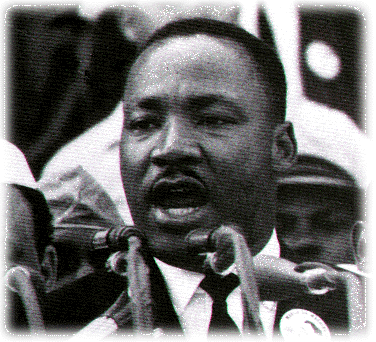
But the demonic spirits of slavery, racism (my race is better than your race), discrimination, hate, and bitterness have remained to this day. If you are not an American, and you are reading this, then you can only imagine the social tension between American whites and American blacks that exists today. It is, I am sorry to say, still very terrible. It is now late in the year 2010. Only 50 years ago, America saw the Civil Rights movement, headed by Martin Luther King, Jr. Although a theological liberal, he was an American Baptist pastor, and social activist. I have heard that Dr. King wasn’t necessarily the most saintly of men–even to the point of alcoholism and adultery. But I always have and always will believe that he was inspired by God when he gave his “I Have a Dream” speech in 1963. Here is a sampling from that speech:

“I have a dream that one day this nation will rise up and live out the true meaning of its creed: ‘We hold these truths to be self-evident, that all men are created equal’ … I have a dream that one day on the red hills of Georgia, the sons of former slaves and the sons of former slave owners will be able to sit down together at the table of brotherhood.


“I have a dream that my four little children will one day live in a nation where they will not be judged by the color of their skin but by the content of their character … With this faith, we will be able to work together, to pray together, to struggle together, to go to jail together, to stand up for freedom together, knowing that we will be free one day. … When we allow freedom to ring, when we let it ring from every village and every hamlet, from every state and every city, we will be able to speed up that day when all of God’s children, black men and white men, Jews and Gentiles, Protestants and Catholics, will be able to join hands and sing in the words of the old Negro spiritual: Free at last! Free at last! Thank God Almighty, we are free at last!”
Up until after Dr. King’s profound influence on the laws of the land, America had all sorts of social rules about RACIAL SEGREGATION: white drinking fountains, colored drinking fountains, white waiting rooms, colored waiting rooms, white restaurants, colored restaurants, white bathrooms, colored bathrooms. The SOCIAL TENSION was and is still AWFUL! Might I say that this demon spirit of racism is still alive and well today? HATE. Might I declare that THIS GRIEVES THE SPIRIT OF GOD! Many American blacks hate whites–just because. Many American whites hate blacks–just because. They all need deliverance from these spirits if they want to be “free at last.” MAY GOD REBUKE THEM, FORGIVE THEM, AND RESTORE THEM IN HIS SPIRIT! IN JESUS’ NAME!

Even today, in the southern states, you see rednecks and country whites sporting their Confederate flags with pride. They say it’s about “Southern heritage.” That’s a bunch of stinking garbage. It’s about racism. Have some discernment of spirits.

It should be obvious that the modern usage of the Confederate flag as a nostalgic ornament is a symbol of white racism, the ongoing spirit of slavery, and hatred of black people. It’s the centuries old demon spirit of the abusive white slaveowner. Look at the Ku Klux Klan (KKK) for example. These guys are really sick. They are anti-black, white supremacists, that dress in strange white costumes and sport the Confederate flag as a symbol of their continued hatred of blacks, and willingness to enforce slavery upon them. It’s just sick, mentally ill, psychopathic–demonic racism.

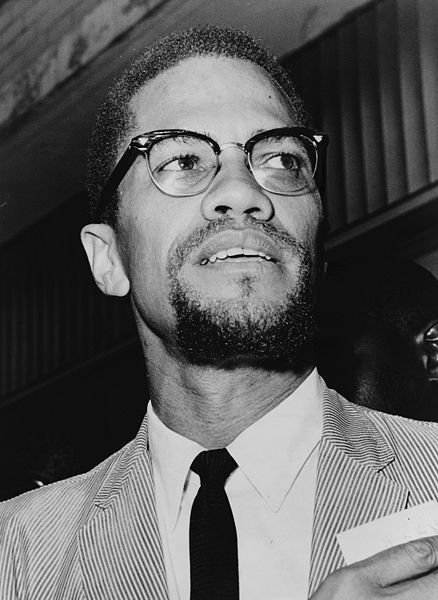
But it goes both ways. It is easy to point out the racist whites, because of their history of abuse and enslavement of the blacks. But the American nation is under the curse of an immense psychological wound–on both sides. From the days of slavery, to the days of segregation, to today–a psychological wound. The blacks are emotionally wounded, because the whites enslaved them. But also, and especially since the days of the Civil Rights movement, and BLACK SUPREMACISTS like the Black Panthers and Nation of Islam–whites are also emotionally wounded by being mistreated by racist black people.


When will this ever stop? WITH FAITH IN CHRIST. Jesus is the One who delivers us from evil spirits. People need to get their eyes off of Social Services, universities, corporations, the American dream, and material prosperity. The wound remains. What needs to happen is that BOTH white and black people need to look at the cross of Christ, repent for their sins of racism, get right with God, and live by the Bible. Like the Asuza Street revival of 1906, we need to all get to the place where “the color lines are washed away in the Blood.”

Posted in Uncategorized | Leave a comment