These signswill accompany those who believe: in My name they will drive out demons;they will speak in new tongues…they will place their hands onsick people, and they will get well. –Mark 16:17-18
—
Spiritual Warfare Scene from The Greatest Story Ever Told (1965):
Exorcism Scene from Jesus of Nazareth (1977):
Exorcism Scenes from the Jesus film used by missionaries (1979):
Exorcism Scene from Padre Pio: Miracle Man (2000):
Exorcism Documentary Trailer for The Devil and Father Amorth (2018). This is about the real-life exorcist that The Pope’s Exorcist film is based on. Russell Crowe plays Gabriele Amorth.
Here’s every video I’ve done against the theory of evolution. I was recently reminded of this social and intellectual force, as I completed chapter 4 in Irvin Wyllie’s The Self-Made Man in America. It explains how the business world slowly began to abandon Christian business principles like the Golden Rule and replace them with the lying, cheating, and stealing of heartless, hateful corporate Machiavellians during the 1800s. Especially with the rise of Andrew Carnegie, liberal Christianity in the big Northern cities, Charles Darwin’s Origin of Species (1859) and Descent of Man (1871); and Herbert Spencer’s Principles of Biology (1864): this is where the socio-economic idea of “survival of the fittest” came from: and how it came to be applied to the lower, middle, and upper classes. All of the 19th century Bible-believing Christian businessmen saw evolution as an intellectual novelty, atheistic delusion, pseudoscience, and nuisance; and they still do today. Here are some of my best attempts over the years at refuting this heresy, these “profane and vain babblings,” these “oppositions of science falsely so called, which some professing have erred concerning the faith” (1 Timothy 6:20-21).
I’ve included a presentation by Dr. Jonathan Wells on the “Icons of Evolution.”
I’ve also included a selection from John Wesley’s sermon “On Living Without God” (1790), where he describes the transition from atheism to Christianity, as one in which a person feels the presence of God, and now has his senses awakened to the spirit world. His description of the Atheist is much like today’s naturalistic evolutionist, who distracts his mind with thoughts about animals and geological formations (the natural world), but is completely insensible of the realm of the spirit all around him. Only by feeling the Holy Spirit can such a complete transition from atheism to Christianity be made. For more about this see my video called “Physically Feeling the Holy Spirit.”
8. Every one of these is in exactly such a situation with regard to the invisible as the toad was in respect to the visible world. That creature had undoubtedly a sort of life, such as it was. It certainly had all the internal and external parts that are essential to animal life; and, without question, it had suitable juices, which kept up a kind of circulation. This was a life indeed! And exactly such a life is that of the Atheist, the man “without God in the world.” What a thick veil is between him and the invisible world, which, with regard to him, is as though it had no being! He has not the least perception of it; not the most distant idea. He has not the least sight of God, the intellectual Sun; nor any the least attraction toward him, or desire to have any knowledge of his ways. Although His light be gone forth into all lands, and His sound unto the end of the world, yet he heareth no more thereof than of the fabled music of the spheres. He tastes nothing of the goodness of God or the powers of the world to come. He does not feel (as our Church speaks) the working of the Holy Spirit in his heart. In a word, he has no more intercourse with a knowledge of the spiritual world, than this poor creature had of the natural, while shut up in its dark enclosure.
9. But the moment the Spirit of the Almighty strikes the heart of him that was till then without God in the world, it breaks the hardness of his heart, and creates all things new. The Sun of Righteousness appears, and shines upon his soul, showing him the light of the glory of God in the face of Jesus Christ. He is in a new world. All things round him are become new, such as it never before entered into his heart to conceive. He sees, so far as his newly-opened eyes can bear the sight,
The opening heavens around him shine, With beams of sacred bliss.
He sees that he has “an Advocate with the Father, Jesus Christ the righteous;” and that he has “redemption in his blood, the remission of his sins.” He sees “a new way that is opened into the holiest by the blood of Jesus;” and his “light shineth more and more unto the perfect day.”
10. By the same gracious stroke, he that before had ears but heard not is now made capable of hearing. He hears the voice that raiseth the dead, — the voice of Him that is “the resurrection and the life.” He is no longer deaf to his invitations or commands, to his promises or threatenings; but gladly hears every word that proceeds out of his mouth, and governs thereby all his thoughts, words, and actions.
11. At the same time, he receives other spiritual senses, capable of discerning spiritual good and evil. He is enabled to taste, as well as to see, how gracious the Lord is. He enters into the holiest by the blood of Jesus, and tastes of the powers of the world to come. He finds Jesus’ love far better than wine; yea, sweeter than honey or the honey-comb. He knows what that meaneth: “All thy garments smell of myrrh, aloes, and cassia.” He feels the love of God shed abroad in his heart by the Holy Ghost which is given unto him; or, as our Church expresses it, “feels the workings of the Spirit of God in his heart.” Meantime, it may easily be observed, that the substance of all these figurative expressions is comprised in that one word faith, taken in its widest sense; being enjoyed, more or less, by everyone that believes in the name of the Son of God. This change, from spiritual death to spiritual life, is properly the new birth; all the particulars whereof are admirably well expressed by Dr. Watts in one verse:
Renew my eyes, open my ears, And form my soul afresh; Give me new passions, joys and fears, And turn the stone to flesh!
When there is a prophet among you, I, the Lord, reveal myself to them in visions, I speak to them in dreams. But this is not true of my servant Moses; he is faithful in all my house. With him I speak face to face, clearly and not in riddles; he sees the form of the Lord. –Numbers 12:6-8
We know in part and we prophesy in part. –1 Corinthians 13:9
The one who prophesies speaks to people for their strengthening, encouraging and comfort. –1 Corinthians 14:3
The fruit of the Spirit is love, joy, peace, forbearance, kindness, goodness, faithfulness, gentleness and self-control. –Galatians 5:22-23
THE TEN COMMANDMENTS –Exodus 20:3-17–
1. You shall have no other gods before me.
2. You shall not make any graven images to bow down and worship them.
3. You shall not take the name of the Lord in vain.
4. Remember the Sabbath day to keep it holy.
5. Honor your father and mother (provided they fear God).
6. You shall not kill.
7. You shall not commit adultery (divorce is allowed for adultery, desertion, and cruelty).
8. You shall not steal.
9. You shall not bear false witness against your neighbor.
10. You shall not covet.
George Cutten’s The Psychological Phenomena of Christianity (1908)
1. Perhaps these words might be more properly translated, Atheists in the world. This seems to be a little stronger expression than “without God in the world,” which sounds nearly negative, and does not necessarily imply any more than the having no fellowship or intercourse with God. On the contrary, the word Atheist is commonly understood to mean something positive, — the not only disclaiming any intercourse with him, but denying his very being.
2. The case of these unhappy men may be much illustrated by a late incident, the truth of which cannot reasonably be doubted, there having been so large a number of eye-witnesses. An ancient oak being cut down, and split through the midst, out of the very heart of the tree crept a large toad, and walked away with all the speed he could.[1] Now how long, may we probably imagine, had this creature continued there? It is not unlikely it might have remained in its nest above a hundred years. It is not improbable it was nearly, if not altogether, coeval with the oak; having been some way or other enclosed therein at the time that it was planted. It is not therefore unreasonable to suppose that it had lived that strange kind of life at least a century. We say, it had lived; But what manner of life! How desirable! How enviable! As Cowley says:
O life, most precious and most dear! O life, that Epicures would long to share!
Let us spend a few thoughts upon so uncommon a case, and make some improvement of it.
3. This poor animal had organs of sense; yet it had not any sensation. It had eyes, yet no ray of light ever entered its black abode. From the very first instant of its existence there, it was shut up in impenetrable darkness. It was shut up from the sun, moon and stars, and from the beautiful face of nature; indeed, from the whole visible world, as much as if it had no being.
4. As no air could penetrate its sable recess, it consequently could have no hearing. Whatever organs it was provided with, they could be of no use; seeing no undulating air could find a way through the walls that surrounded it. And there is no reason to believe that it had any sense analogous to those either of smelling or tasting. In a creature which did not need any food these could have been of no possible use. Neither was there any way whereby the objects of smell or taste could make their approach to it. It must be very little, if at all, that it could be acquainted even with the general sense, — that of feeling: As it always continued in one unvaried posture amidst the parts that surrounded it, all of these being immovably fixed could make no new impression upon it. So that it had only one feeling from hour to hour, and from day to day, during its whole duration.
5. And as this poor animal was destitute of sensation, it must have equally been destitute of reflection. Its head (of whatever sort it was,) having no materials to work upon, no ideas of sensation of any kind, could not produce any degree of reflection. It scarce, therefore could have any memory, or any imagination. Nor could it have any locative power, while it was so closely bound in on every side. If it had in itself some springs of motion, yet it was impossible that power should be exerted, because the narrowness of its cavern could not allow of any change of place.
6. How exact a parallel may be drawn between this creature (hardly to be called an animal) and a man that is “without God in the world!” Such as are a vast majority of even those that are called Christians! I do not mean that they are Atheists, in the common sense of the word. I do not believe that these are so numerous as many have imagined. Making all the inquiry and observation I could for upwards of fifty years, I could not find twenty who seriously disbelieved the being of a God; nay, I have found only two of these (to the best of my judgment) in the British Islands: Both of these then lived in London, and had been of this persuasion many years. But several years before they were called to appear before God, both John S— and John B— were fully convinced that there is a God; and, what is more remarkable, they were first convinced that he is a terrible, and then that he is a merciful God. I mention these two accounts to show not only that there are real literal Atheists in the world; but also, that even then, if they will condescend to ask it, they may find “grace to help in time of need.”
7. But I do not mean such as these when I speak of those who are Atheists or “without God in the world;” but of such as are only practical Atheists; as have not God in all their thoughts; such as have not acquainted themselves with him, neither have any fellowship with him; such as have no more intercourse with God, or the invisible world, than this animal had with the visible. I will endeavor to draw the parallel between these. And may God apply it to their hearts!
8. Every one of these is in exactly such a situation with regard to the invisible as the toad was in respect to the visible world. That creature had undoubtedly a sort of life, such as it was. It certainly had all the internal and external parts that are essential to animal life; and, without question, it had suitable juices, which kept up a kind of circulation. This was a life indeed! And exactly such a life is that of the Atheist, the man “without God in the world.” What a thick veil is between him and the invisible world, which, with regard to him, is as though it had no being! He has not the least perception of it; not the most distant idea. He has not the least sight of God, the intellectual Sun; nor any the least attraction toward him, or desire to have any knowledge of his ways. Although His light be gone forth into all lands, and His sound unto the end of the world, yet he heareth no more thereof than of the fabled music of the spheres. He tastes nothing of the goodness of God or the powers of the world to come. He does not feel (as our Church speaks) the working of the Holy Spirit in his heart. In a word, he has no more intercourse with a knowledge of the spiritual world, than this poor creature had of the natural, while shut up in its dark enclosure.
9. But the moment the Spirit of the Almighty strikes the heart of him that was till then without God in the world, it breaks the hardness of his heart, and creates all things new. The Sun of Righteousness appears, and shines upon his soul, showing him the light of the glory of God in the face of Jesus Christ. He is in a new world. All things round him are become new, such as it never before entered into his heart to conceive. He sees, so far as his newly-opened eyes can bear the sight,
The opening heavens around him shine, With beams of sacred bliss.
He sees that he has “an Advocate with the Father, Jesus Christ the righteous;” and that he has “redemption in his blood, the remission of his sins.” He sees “a new way that is opened into the holiest by the blood of Jesus;” and his “light shineth more and more unto the perfect day.”
10. By the same gracious stroke, he that before had ears but heard not is now made capable of hearing. He hears the voice that raiseth the dead, — the voice of Him that is “the resurrection and the life.” He is no longer deaf to his invitations or commands, to his promises or threatenings; but gladly hears every word that proceeds out of his mouth, and governs thereby all his thoughts, words, and actions.
11. At the same time, he receives other spiritual senses, capable of discerning spiritual good and evil. He is enabled to taste, as well as to see, how gracious the Lord is. He enters into the holiest by the blood of Jesus, and tastes of the powers of the world to come. He finds Jesus’ love far better than wine; yea, sweeter than honey or the honey-comb. He knows what that meaneth: “All thy garments smell of myrrh, aloes, and cassia.” He feels the love of God shed abroad in his heart by the Holy Ghost which is given unto him; or, as our Church expresses it, “feels the workings of the Spirit of God in his heart.” Meantime, it may easily be observed, that the substance of all these figurative expressions is comprised in that one word faith, taken in its widest sense; being enjoyed, more or less, by everyone that believes in the name of the Son of God. This change, from spiritual death to spiritual life, is properly the new birth; all the particulars whereof are admirably well expressed by Dr. Watts in one verse:
Renew my eyes, open my ears, And form my soul afresh; Give me new passions, joys and fears, And turn the stone to flesh!
12. But before this universal change there may be many partial changes in a natural man, which are frequently mistaken for it, whereby many say, “Peace, peace!” to their souls, when there is no peace. There may be not only a considerable change in the life, so as to refrain from open sin, yea, the easily besetting sin; but also a considerable change of tempers, conviction of sin, strong desires, and good resolutions. And here we have need to take great care, not, on the one hand, to despise the day of small things; nor, on the other, to mistake any of these partial changes for that entire, general change, the new birth; that total change from the image of the earthly Adam into the image of the heavenly, from an earthly, sensual, devilish mind, into the mind that was in Christ.
13. Settle it therefore in your hearts, that however you may be changed in many other respects, yet in Christ Jesus, that is, according to the Christian institution, nothing will avail without the whole mind that was in Christ, enabling you to walk as Christ walked. Nothing is more sure than this: “If any man be in Christ,” a true believer in him, “he is a new creature: Old things,” in him, “are passed away; all things are become new.”
14. From hence we may clearly perceive the wide difference there is between Christianity and morality. Indeed nothing can be more sure than that true Christianity cannot exist without both the inward experience and outward practice of justice, mercy, and truth; and this alone is given in morality. But it is equally certain that all morality, all the justice, mercy, and truth which can possibly exist without Christianity, profiteth nothing at all, is of no value in the sight of God, to those that are under the Christian dispensation. Let it be observed, I purposely add, “to those that are under the Christian dispensation,” because I have no authority from the Word of God “to judge those that are without.” Nor do I conceive that any man living has a right to sentence all the heathen and Mahometan world to damnation.[2] It is far better to leave them to him that made them, and who is “the Father of the spirits of all flesh;” who is the God of the Heathens as well as the Christians, and who hateth nothing that he hath made. But meantime this is nothing to those that name the name of Christ: — all those, being under the law, the Christian law, shall undoubtedly be judged thereby; and, of consequence, unless those be so changed as was the animal above mentioned, unless they have new senses, ideas, passions, tempers, they are no Christians. However just, true, or merciful they may be, they are but Atheists still!
15. Perhaps there may be some well-meaning persons who carry this farther still; who aver, that whatever change is wrought in men, whether in their hearts or lives, yet if they have not clear views of those capital doctrines, the fall of man, justification by faith, and of the atonement made by the death of Christ, and of his righteousness transferred to them, they can have no benefit from his death. I dare in no wise affirm this. Indeed I do not believe it.[3] I believe the merciful God regards the lives and tempers of men more than their ideas. I believe he respects the goodness of the heart rather than the clearness of the head; and that if the heart of a man be filled (by the grace of God, and the power of his Spirit) with the humble, gentle, patient love of God and man, God will not cast him into everlasting fire prepared for the devil and his angels because his ideas are not clear, or because his conceptions are confused. Without holiness, I own, “no man shall see the Lord;” but I dare not add, “or clear ideas.”
16. But to return to the text. Let me entreat all of you who are still “without God in the world,” to consider with all your humanity, benevolence, virtue, you are still
lnclusi tenebris, et carcere caeco: Inclosed in darkness and infernal shade.
My dear friends! you do not see God. You do not see the Sun of righteousness. You have no fellowship with the Father, or with his Son, Jesus Christ. You never heard the voice that raiseth the dead. Ye know not the voice of your Shepherd. Ye have not received the Holy Ghost. Ye have no spiritual senses. You have your old, natural ideas, passions, joys, and fears; you are not new creatures. O cry to God, that he may rend the veil which is still upon your hearts; and which gives you occasion to complain, —
O dark, dark, dark, I still must say, Amidst the blaze of gospel-day!
O that you may this day hear his voice, who speaketh as never man spake, saying, “Arise, shine, for thy light is come, and the glory of the Lord is risen upon thee!” Is it not his voice that crieth aloud, “Look unto me, and be thou saved?” He saith, “Lo! I come!” Even so, Lord Jesus! Come quickly!
Rotherham, July 6, 1790
—
[1] https://en.wikipedia.org/wiki/Living_entombed_animal – “References to entombed animals have appeared in the writings of William of Newburgh, J. G. Wood, Ambroise Paré, Robert Plot, André Marie Constant Duméril, John Wesley, and others. Even Charles Dickens mentioned the phenomenon in his journal All the Year Round. According to the Fortean Times, about 210 entombed animal cases have been described in Europe, North America, Africa, Australia, and New Zealand since the fifteenth century. At times, a number of animals are said to have been encased in the same place. Benjamin Franklin wrote an account of four live toads supposedly found enclosed in quarried limestone. In a letter to Julian Huxley, one Eric G. Mackley claimed to have freed 23 frogs from a single piece of concrete while widening a road in Devonshire. An 1876 report from South Africa said that 63 small toads were found in the middle of a 16-foot-wide (5 m) tree trunk.”
[2] John Wesley is extremely wrong here. It appears that as he grew older, he had come to embrace a form of Christian universalism, with this sermon being one of his last, and the year before his death. The seeds of this view were probably planted in him early on by William Law, an Anglican theologian whom he had a sharp disagreement with about Christian universalism, and had decided to cut off communication with him over it. I think Wesley was a lot like the Catholic saints, many of which have held heretical and erroneous views according to Protestants, but have by the examples of their lives and for the majority of the time, held to Christian orthodoxy and holy living. No universalism is found in Wesley’s writings during the Great Awakening period of 1730s and 1740s: not that I know of. In 1756, he wrote his “Letter to William Law,” rebuking his view: “Jews, Mohametans, Deists, Heathens, are all members of the Church of Christ! Should we not add devils too?…There can hardly be any doctrine under Heaven more agreeable to flesh and blood; nor any which more directly tends to prevent the very dawn of conviction.” Quite a different view from the one expressed above in 1790. Jesus deliberately said, “I am the way and the truth and the life. No one comes to the Father except through me” (John 14:6). That requires no stretch of the imagination, no secret interpretation to understand. A person must both know who Jesus is, and what he did on the cross, and then put their faith in him, in order to approach the Father in Heaven on good terms. This same view was repeated again by Peter: “Salvation is found in no one else, for there is no other name under heaven given to mankind by which we must be saved” (Acts 4:12). That is: the name of Jesus. So what about atheists, Jews, Muslims, deists, and other heathens? They are on their way to Hell until they become born-again Christians by feeling the presence of the Holy Spirit, as Wesley is trying to describe above. Why then doesn’t he take it all the way, and conclude that dreams and visions may come to these folks to make them understand the atoning element of the Gospel and be saved where there is no missionary present? It is because Wesley was only thinking about the presence of God and his occasional voice. But he didn’t for that moment also consider, that these lost souls, without a preacher, might also learn about the Gospel by “revelation from Jesus Christ” just like Paul did (Galatians 1:12). As much as I respect Wesley and his theology, I will say that he expressed a heretical view here, that I simply can’t support. He should have stuck to the 18th of the Thirty-Nine Articles, which says, “Of obtaining eternal Salvation only by the Name of Christ: They also are to be had accursed that presume to say, That every man shall be saved by the Law or Sect which he professeth, so that he be diligent to frame his life according to that Law, and the light of Nature. For Holy Scripture doth set out unto us only the Name of Jesus Christ, whereby men must be saved.”
[3] John Wesley doesn’t seem to be shooting down the need for Reformed or even Wesleyan soteriology here. If that were the case, then he would be cancelling about 98% of his writings! It is important for preachers to be well studied in the order of salvation, or the sound Bible doctrines of soteriology, in order that they may be able to preach the Gospel clearly to people who need to hear it. What he is saying though, is that a Christian doesn’t need to have a perfect understanding of soteriology in order to be saved from Hell. George Whitefield, for example, which was Wesley’s one-time friend, once said, “The Arminian gospel is no gospel at all.” As if to say, that because Wesley held to the views of resistible grace and conditional security (Acts 7:51; 1 Cor. 12:10), that he was not preaching the Gospel at all when he preached about justification by faith alone and sanctification by good works. In theology, especially with seminary students, people can become theologically perfectionistic, and so unforgiving, as to condemn someone to Hell if they are Calvinists or Arminians, even though both views allow for substitutionary atonement, regeneration, and obedience to the moral commandments of God (that is, the salvation message of Romans).
As a faithful ministry is a great ornament, blessing, and comfort, to the church of God (even the feet of such messengers are beautiful), so, on the contrary, an ungodly ministry is a great curse and judgment. These caterpillars labor to devour every green thing.
There is nothing that may more justly call forth our saddest sorrows, and make all our powers and passions mourn in the most doleful accents, the most incessant, insatiable, and deploring agonies, than the melancholy case of such who have no faithful ministry! This truth is set before our minds in a strong light in the words that I have chosen now to insist upon, in which we have an account of our Lord’s grief with the causes of it.
We are informed that our dear Redeemer was moved with compassion towards them. The original word signifies the strongest and most vehement pity, issuing from the innermost bowels. But what was the cause of this great and compassionate commotion in the heart of Christ? It was because He saw much people as sheep having no shepherd. Why, had the people then no teachers? O yes! They had heaps of Pharisee-teachers that came out, no doubt, after they had been at the feet of Gamaliel the usual time, and according to the acts, cannons, and traditions of the Jewish church. But, notwithstanding the great crowds of these orthodox, letter-learned, and regular Pharisees, our Lord laments the unhappy case of that great number of people who, in the days of His flesh, had no letter guides, because those were as good as none (in many respects), in our Savior’s judgment. For all them, the people were as sheep without a Shepherd.
From the words of our text, the following proposition offers itself to our consideration: that the case of such is much to be pitied who have no other but Pharisee-shepherds, or unconverted teachers.
In discoursing upon this subject, I would
I. Inquire into the characters of the old Pharisee-teachers.
Il. Show why the case of such people who have no better should be pitied. And,
III. Show how pity should be expressed upon this mournful occasion!
First, I am to inquire into the characters of the old Pharisee-teachers. No, I think the most notorious branches of their character were these: pride, policy, malice, ignorance, covetousness, and bigotry to human inventions in religious matters.
The old Pharisees were very proud and conceited. They loved the uppermost seats in the synagogues and to be called Rabbi. They were masterly and positive in their assertions, as if knowledge must die with them. They looked upon others who differed from them, and the common people, with an air of disdain and, especially any who had a respect for Jesus and His doctrine. They disliked them and judged them accursed.
The old Pharisee-shepherds were as crafty as foxes. They tried by all means to ensnare our Lord by their captious questions, and to expose Him to the displeasure of the state while, in the meantime, by sly and sneaking methods, they tried to secure for themselves the favor of the Grandees and the people’s displeasure, and this they obtained to their satisfaction (John 7:48).
But while they exerted the craft of foxes, they did not forget to breathe forth the cruelty of wolves in a malicious aspersing of the person of Christ, and in a violent opposing of the truths, people, and power of His religion. Yes, the most stern and strict of them were the ringleaders of the party. Witness Saul’s journey to Damascus, with letters from the chief priest to bring bound to Jerusalem all that he could find of The Way. It’s true that the Pharisees did not proceed to violent measures with our Savior and His disciples just at first; but that was not owing to their good nature, but their policy, for they feared the people. They must keep the people in their interests. Aye, that was the main chance, the compass that directed all their proceedings and, therefore, such sly cautious methods must be pursued as might consist herewith. They wanted to root vital religion out of the world, but they found it beyond their thumb.
Although some of the old Pharisee-shepherds had a very fair and strict outside, yet they were ignorant of the New Birth. Witness Rabbi Nicodemus, who talked like a fool about it. Hear how our Lord cursed those plastered hypocrites in Matthew 23: 27-28: Woe unto you, Scribes and Pharisees, hypocrites; for ye are like whited sepulchres, which indeed appear beautiful outward, but are within full of dead bones and of all uncleanness. Even so ye also appear righteous unto men, but within ye are full of hypocrisy and iniquity. Aye, if they had but a little of the learning then in fashion, and a fair outside, they were presently put into the priest’s office, though they had no experience of the New Birth. O sad!
The old Pharisees, for all their long prayers and other pious pretenses, had their eyes, with Judas, fixed upon the bag. Why, they came into the priest’s office for a piece of bread. They took it up as a trade and, therefore, endeavored to make the best market of it they could. O shame!
It may be further observed that the Pharisee-teachers in Christ’s time were great bigots to small matters in religion. Matthew 23:23: Woe unto you, Scribes and Pharisees, hypocrites; for ye pay tithe of mind, and anise, and cummin, and have omitted the weightier matters of the Law, judgment, mercy, and faith. The Pharisees were fired with a party-zeal. They compassed sea and land to make a proselyte; and yet, when he was made, they made him twofold more the child of hell than themselves. They were also bigoted to human inventions in religious matters. Paul himself, while he was a natural man, was wonderfully zealous for the traditions of the Fathers. Aye, those poor, blind guides, as our Lord testifies, strained at a gnat and swallowed a camel.
And what a mighty respect they had for the Sabbath Day, insomuch that Christ and His disciples must be charged with the breach thereof for doing works of mercy and necessity! Ah, the rottenness of these hypocrites! It was not so much respect to the Sabbath as malice against Christ; that was the occasion of the charge. They wanted some plausible pretense to offer against Him in order to blacken His character.
And what a great love had they in pretense to those pious prophets who were dead before they were born while, in the meantime, they were persecuting the Prince of Prophets! Hear how the King of the Church speaks to them upon this head, Matthew 23:29-33: Woe unto you Scribes and Pharisees, hypocrites; because ye build the tombs of the prophets, and garnish the sepulchres of the righteous; and say, If we had been in the days of our fathers, we would not have been partakers with them in the blood of the prophets. Ye serpents, ye generation of vipers, how can ye escape the damnation of hell?
The second general head of discourse is to show why much people, who have no better than the old Pharisee-teachers, are to be pitied:
1. Natural men have no call of God to the ministerial work under the gospel dispensation.
Isn’t it a principal part of the ordinary call of God to the ministerial work to aim at the glory of God and, in subordination thereunto, the good of souls as their chief marks in their undertaking that work? And can any natural man on earth do this? No! No! Every skin of them has an evil eye, for no cause can produce effects above its own power. Are not wicked men forbidden to meddle in things sacred? Psalm 50:16: But unto the wicked, God saith, ‘What hast thou to do to declare My statues, or that thou shouldst take My covenant in thy mouth?’ Now, are not all unconverted men wicked men? Does not the Lord Jesus inform us in John 10:1 that he who entereth not by the door into the sheepfold, but climbeth up some other way, the same is a thief and a robber? In the 9th verse, Christ tells us that He is the Door, and that if any man enters in by Him, he shall be saved by Him, i.e., by faith in Him, says (Matthew) Henry. Hence we read of a door of faith being opened to the Gentiles (Acts 14:22).
It confirms that salvation is annexed to the entrance beforementioned. Remarkable is that saying of our Savior in Matthew 4:9: Follow Me, and I will make you fishers of men. See, our Lord will not make men ministers till they follow Him. Men who do not follow Christ may fish faithfully for a good name, and for worldly self, but not for the conversion of sinners to God. Is it reasonable to suppose that they will be earnestly concerned for others’ salvation when they slight their own? Our Lord reproved Nicodemus for taking upon himself the office of instructing others while he himself was a stranger to the New Birth. John 3:10: Art thou a master of Israel, and knowest not these things? The Apostle Paul (1 Timothy 1:12) thanks God for counting him faithful, and putting him into the ministry, which plainly supposes that God Almighty does not send Pharisees and natural men into ministry; for how can those men be faithful who have no faith? It’s true, men may put themselves into the ministry through unfaithfulness or mistake. Credit and money may draw them, and the devil may drive them into it, knowing by long experience of what special service they may be to his kingdom in that office; but God does not send such hypocritical varlets.
Hence Timothy was directed by the Apostle Paul to commit the ministerial work to faithful men (2 Timothy 2:2), and do not those qualifications necessary for church-officers, specified in 1 Timothy 3:2-3, 9-11 and Titus 1:7-8 plainly suppose converting grace? How else can they avoid being greedy of filthy lucre? How else can they hold the mystery of faith in a pure conscience and be faithful in all things? How else can they be lovers of good, sober, just, holy, temperate?
2. The ministry of natural men is uncomfortable to gracious souls.
The enmity that is put between the seed of the woman and the seed of the serpent will, now and then, be creating jars. And no wonder; for as it was of old, so it is now: He that was born after the flesh, persecuteth him that was born after the Spirit. This enmity is not one grain less in unconverted ministers than in others; though it is possible it may be better polished with wit and rhetoric, and gilded with the specious names of zeal, fidelity, peace, good order, and unity.
Natural men, not having true love to Christ or the souls of their fellow-creatures, find their discourses are cold and sapless, and, as it were, freeze between their lips. And not being sent of God, they lack the divine authority with which the faithful ambassadors of Christ are clothed, who herein resemble their blessed Master of whom it is said, He taught as one having authority, and not as the scribes (Matthew 7:29).
And Pharisee-teachers, having no experience of a special work of the Holy Ghost upon their own souls, are therefore neither inclined to nor fitted for discoursing frequently, clearly, and pathetically upon such important subjects. The application of their discourses is either short or indistinct and general. They do not distinguish the precious from the vile, and divide not to every man his portion, according to the apostolic direction to Timothy. No! They carelessly offer a common mess to their people, and leave it to them to divide it among themselves as they see fit. This is, indeed, their general practice, which is bad enough; but sometimes they do worse by misapplying the Word through ignorance or anger. They often strengthen the hands of the wicked by promising him life. They comfort people before they convince them, sow before they plow, and are busy in raising a fabric before they lay a foundation. These foolish builders do but strengthen men’s carnal security by their soft, selfish, cowardly discourses. They do not have the courage or honesty to thrust the nail of terror into sleeping souls.
Nay, sometimes they strive with all their might to fasten terror into the hearts of the righteous, and so to make those sad whom God would not have made sad! And this happens when pious people begin to suspect their hypocrisy, for which they have good reason, I may add that, inasmuch as Pharisee-teachers seek after righteousness, as it were, by the works of the law themselves, they therefore do not distinguish as they ought between Law and Gospel in their discourses to others. They keep driving, driving, to duty, duty, under this notion that it will recommend natural men to the favor of God, or entitle them to the promises of grace and salvation. And thus those blind guides fix a deluded world upon the false foundation of their own righteousness, and so exclude them from the dear Redeemer.
All the doings of unconverted men not proceeding from the principles of faith, love, and a new nature, nor being directed to the divine glory as their highest end, but flowing from, and tending to, self as their principle and end, are, doubtless, damnably wicked in their manner of performance, and deserve the wrath and curse of a sin-avenging God. Neither can any other encouragement be justly given them but that, in the way of duty, there is a peradventure of probability or obtaining mercy.
And natural men, lacking the experience of those spiritual difficulties which pious souls are exposed to in this vale of tears, do not know how to speak a word to the weary in season. Their prayers are also cold; little child-like love to God or pity to poor perishing souls runs through their veins. Their conversation has nothing of the savor of Christ, neither is it perfumed with the spices of heaven. They seem to make as little distinction in their practice as preaching. They love those unbelievers that are kind to them better than many Christians, and choose them for companions, contrary to Psalm 15:4, Psalm 119:115 and Galatians 6:10. Poor Christians are stunted and starved who are put to feed on such bare pastures, on such dry nurses, as Rev. Mr. (Arthur) Hildersham justly calls them. It’s only when the wise virgins sleep that they can bear with those dead dogs who can’t bark; but when the Lord revives His people, they can’t but abhor them. O! It is ready to break their very hearts with grief, to see how lukewarm those Pharisee-teachers are in their public discourses, while sinners are sinking into damnation in multitudes! But:
3. The ministry of natural men is, for the most part, unprofitable, which is confirmed by a three-fold evidence of Scripture, reason, and experience. Such as the Lord sends not, He Himself assures us, shall not profit the people at all (Jeremiah 23:32). Matthew Poole justly glosses upon this passage of sacred Scripture thus, None can expect God’s blessing upon their ministry that are not called and sent of God into the ministry. And right reason will inform us how unfit instruments they are to negotiate that work they pretend to. Is a blind man fit to be a guide in a very dangerous way? Is a dead man fit to bring others to life? A mad man fit to give to cast out devils? A rebel, an enemy to God, fit to be sent on an embassy of peace to bring rebels into a state of friendship with God? A captive bound in the massy chains of darkness and guilt, a proper person to set others at liberty? A leper, or one that has plague-sores upon him, fit to be a good physician? Is an ignorant rustic that has never been at sea in his life fit to be a pilot, to keep vessels from being dashed to pieces upon rocks and sand-banks? Isn’t an unconverted minister like a man who would teach others to swim before he has learned it himself, and so is drowned in the act and dies like a fool?
I may add that sad experience verifies what has been now observed concerning the unprofitableness of the ministry of unconverted men. Look into the congregations of unconverted ministers, and see what a sad security reigns there; not a soul convinced that can be heard of for many years together, and yet the ministers are easy, for they say they do their duty! Aye, a small matter will satisfy us in the lack of that which we have no great desire after, but when persons have their eyes opened and their hearts set upon the work of God, they are not so soon satisfied with their doings, and with lack of success for a time. O! They mourn with Micah that they are as those that gather the summer-fruits, as the grape-gleaning of the vintage. Mr. (Richard) Baxter justly observes that those who speak about their doings in the aforesaid manner are likely to do little good to the Church of God. But many Ministers (as Mr. Bracel observes) think the gospel flourishes among them when the people are in peace, and many come to hear the Word and to the Sacrament. If, with the other, they get the salaries well-paid, then it is fine times indeed in their opinion! O sad! And they are full of hopes that they do good, though they know nothing about it. But what comfort can a conscientious man, who travails in birth that Christ may be formed in His hearer’s hearts, take from what he knows not? Will a hungry stomach be satisfied with dreams about meat? I believe not, though, I confess, a full one may.
What if some instances could be shown of unconverted ministers being instrumental in convincing persons of their lost state? The thing is very rare and extraordinary. And, for what I know, as many instances may be given of Satan’s convincing persons by his temptations. Indeed, it’s a kind of chance-medly, both in respect of the father and his children, when any such event happens. And isn’t this the reason why a work of conviction and conversion has been so rarely heard of for a long time in the churches till of late, that the bulk of her spiritual guides were stone-blind and stone-dead?
4. The ministry of natural men is dangerous, both in respect of the doctrines and practice of piety. The doctrines of original sin, justification by faith alone, and the other points of Calvinism, are very cross to the grain of unrenewed nature. And though men, by the influence of a good education and hopes of preferment, may have the edge of their natural enmity against them blunted, yet it’s far from being broken or removed. It’s only the saving grace of God that can give us a true relish for those nature-humbling doctrines; and so effectually secure us from being infected by the contrary. Is not the carnality of the ministry one great cause of the general spread of [Pelagianism], Socinianism, Arianism, and Deism, at this day through the world?
And alas! What poor guides are natural ministers to those who are under spiritual trouble? They either slight such distress altogether and call it melancholy, or madness, or daub those that are under it with untempered mortar. Our Lord assures us that the salt which has lost its savor is good for nothing. Some say, It genders worms and vermin. Now, what savor have Pharisee-ministers? In truth, a very stinking one, both in the nostrils of God and good men. Be these moral Negroes never so white in the mouth (as one expresses it), yet will they hinder instead of helping others in at the strait gate. Hence is that threatening of our Lord against them in Matthew 23:13: Woe unto you, Scribes and Pharisees, hypocrites; for ye shut up the Kingdom of Heaven against men; for ye neither go in yourselves, nor suffer those that are entering to go in.
Pharisee-teachers will, with the utmost hate, oppose the very work of God’s Spirit upon the souls of men, and labor by all means to blacken it, as well as the Instruments, which the Almighty improves to promote the same if it comes near their borders, and interferes with their credit or interest. Thus did the Pharisees deal with our Savior.
If it is objected against what has been offered under this general head of discourse, that Judas was sent by Christ, I answer:
(1) That Judas’s ministry was partly legal, inasmuch as, during that period, the disciples were subject to Jewish observances and sent only to the house of Israel (Matthew 10:5-6). And in that they waited after Christ’s resurrection for another mission (Acts 1:4), which we find they obtained, and that was different from the former (Matthew 28:19).
(2) Judas’s ministry was extraordinarily necessary in order to fulfil some ancient prophesies concerning him (Acts 1:16-18, 20; John 13:18). I fear that the abuse of this instance has brought many Judases into the ministry whose chief desire, like their great grandfather, is to finger the pence and carry the bag. But let such hireling, murderous hypocrites take care that they don’t feel the force of a halter in this world, and an aggravated damnation in the next.
Again, if it is objected that Paul rejoiced that the gospel was preached, though of contention and not sincerely, I answer this: the expression signifies the apostle’s great self-denial! Some labored to eclipse his fame and character by contentious preaching, thinking thereby to afflict him; but they were mistaken. As to that, he was easy; for he had long before learned to die to his own reputation. The apostle’s rejoicing was comparative only. He would rather that Christ should be preached out of envy than not at all, especially considering the gross ignorance of the doctrinal knowledge of the gospel which prevailed almost universally in that age of the world. Besides, the apostle knew that that trial should be sanctified to him to promote his spiritual progress in goodness and, perhaps, prove a means of procuring his temporal freedom; and, therefore, he would rejoice. It is certain, we may both rejoice and mourn in relation to the same thing upon different accounts without any contradiction.
But the third general head was to show how pity should be expressed upon this mournful occasion.
My brethren, we should mourn over those who are destitute of faithful ministers and sympathize with them. Our bowels should be moved with the most compassionate tenderness over those dear fainting souls that are as sheep having no Shepherd, and that after the example of our blessed Lord.
Dear sirs! We should also most earnestly pray for them that the compassionate Savior may preserve them by His mighty power, through faith, unto salvation; support their sinking spirits under the melancholy uneasiness of a dead ministry; sanctify and sweeten to them the dry morsels they get under such blind men, when they have none better to repair to.
And more especially, my brethren, we should pray to the Lord of the harvest to send forth faithful laborers into His harvest, seeing that the harvest truly is plenteous, but the laborers are few. And, O sirs, how humble, believing, and importunate should we be in this petition! O! Let us follow the Lord day and night with cries, tears, pleadings, and groanings upon this account! For God knows there is great necessity of it. O! Thou Fountain of mercy and Father of pity, pour forth upon Thy poor children a Spirit of prayer for the obtaining of this important mercy! Help, help, O Eternal God and Father, for Christ’s sake!
And indeed, my brethren, we should join our endeavors to our prayers. The most likely method to stock the church with a faithful ministry, in the present situation of things, the public academies being so much corrupted and abused generally, is to encourage private schools, or seminaries of learning, which are under the care of skilful and experienced Christians; in which those only should be admitted who, upon strict examination have, in the judgment of a reasonable charity, the plain evidences of experimental religion. Pious and experienced youths, who have a good natural capacity, and great desires after the ministerial work, from good motives, might be sought for, and found up and down in the country, and put to private schools of the Prophets, especially in such places where the public ones are not.
This method, in my opinion, has a noble tendency. It builds up the church for the coming of His Kingdom. The church should be ready, according to their ability, to give something, from time to time, for the support of such poor youths who have nothing of their own. And truly, brethren, this charity to the souls of men is the most noble kind of charity. O! If the love of God is in you, it will constrain you to do something to promote so noble and necessary a work. It looks hypocritical to go no further, when other things are required, than cheap prayer. Don’t think it much if the Pharisees should be offended at such a proposal; these subtle, selfish hypocrites are wont to be scared about their credit and their kingdom. And truly they are both little worth, for all the bustle they make about them. If they could help it, they wouldn’t let one faithful man come into the ministry; and, therefore, their opposition is an encouraging sign. Let all the followers of the Lamb stand up and act for God against all opposers. Who is upon God’s side? Who?
The improvement of this subject remains:
1. If it is so, then the case of those who have no other, or no better, than Pharisee-teachers is to be pitied. Then what a scrole and scene of mourning, lamentation, and woe is opened, because of the swarms of locusts, the crowds of Pharisees, that have so covetously and cruelly crept into the ministry in this adulterous generation! They as nearly resemble the character given of the old Pharisees, in the doctrinal part of this discourse, as one crow’s egg does another. It is true, some of the modern Pharisees have learned to prate a little more orthodoxy about the New Birth than their predecessor Nicodemus, who are, in the meantime, as great strangers to the feeling experience of it as he. They are blind who see not this to be the case of the body of the clergy of this generation. And O! that our heads were waters, and our eyes a fountain of tears, that we could day and night lament, with the utmost bitterness, the doleful case of the poor church of God upon this account.
2. From what has been said, we may learn that such who are contented under a dead ministry do not have in them the temper of that Savior they profess. It’s an awful sign that they are as blind as moles and as dead as stones without any spiritual taste and relish. And alas! Isn’t this the case of multitudes? If they can get one who has the name of a minister, with a band and a black coat or gown to carry on a Sabbath-day among them, although never so coldly and unsuccessfully; if he is free from gross crimes in practice and takes good care to keep at a due distance from their consciences, and is never troubled about his unsuccessfulness, O! think the poor fools, that is a fine man, indeed! Our minister is a prudent, charitable man; he is not always harping upon terror, and sounding damnation in our ears, like some rash-headed preachers who, by their uncharitable methods, are ready to put poor people out of their wits, or to run them into despair. O! How terrible a thing is that despair! Aye, our minister, honest man, gives us good caution against it. Poor, silly souls, consider seriously these passages of the Prophet Jeremiah (5:30-31).
3. We may learn the mercy and duty of those who enjoy a faithful ministry. Let such glorify God for distinguishing a privilege, and labor to walk worthy of it to all well-pleasing. Left for their abuse thereof, they are exposed to a greater damnation.
4. If the ministry of natural men is as it has been represented, then it is both lawful and expedient to go from them to hear godly persons; yea, it’s so far from being sinful to do this that one who lives under a pious minister of lesser gifts, after having honestly endeavored to get benefit by his ministry, and yet gets little or none, but finds real benefit elsewhere, I say, he may lawfully go, and that frequently, where he gets most good to his precious soul. He may do this after regular application to the pastor where he lives for his consent, proposing the reasons thereof when this is done in the spirit of love and meekness, without contempt of any, and also without rash anger or vain curiosity.
Natural reason will inform us that good is desireable for its own sake. Now, a Dr. Voetius observes that good added to good makes it a greater good, and so more desireable; and, therefore, evil as evil, or a lesser good, which is comparatively evil, cannot be the object of desire.
There is a natural instinct put even into the irrational creature by the Author of their being to seek after the greater natural good, as far as they know it. Hence, the birds of the air fly to the warmer climates in order to shun the winter cold, and also, doubtless, to get better food; for where the carcass is, there will the eagles be gathered together. The beasts of the field seek the best pastures, and the fishes of the ocean seek after the food they like best.
But the written Word of God confirms the aforesaid proposition while God, by it, enjoins us, to covet earnestly the best gifts; as also to prove all things, and hold fast that which is good (1 Corinthians 12:31 and 1 Thessalonians 5:2). And is it not the command of God that we should grow in grace (2 Peter 3:18 and 1 Peter 2:2)? Now, does not every positive command enjoin the use of such means as have the directest tendency to answer the end designed, namely, the duty commanded? If there is a variety of means, is not the best to be chosen? Else how can the choice be called rational and becoming an intelligent creature? To choose otherwise, knowingly, is it not contrary to common sense as well as religion, and daily confuted by the common practice of all the rational creation, about things of far less moment and consequence?
That there is a difference and variety in preachers’ gifts and graces is undeniably evident from the united testimony of Scripture and reason. And that there is a great difference in the degrees of hearers’ edification, under the hearing of these different gifts, is a evident to the feeling of experienced Christians as any thing can be to sight.
It is also an unquestionable truth that, ordinarily, God blesses most the best gifts for the hearer’s edification, as by the best food He gives the best nourishment. Otherwise, the best gifts would not be desirable, and God Almighty, in the ordinary course of His providence, by not acting according to the nature of things, would be carrying on a series of unnecessary miracles which, to suppose, is unreasonable. The following places of Holy Scripture confirm what has been last observed: 1 Corinthians 14:12; 1 Timothy 4:14-16; 2 Timothy 1:6 and Acts 11:24.
If God’s people have a right to the gifts of all God’s ministers, pray, why may they not use them as they have opportunity? And, if they should go a few miles farther than ordinary to enjoy those which they profit most by, who do they wrong? Now, our Lord informs His people in 1 Corinthians 3:22 that whether Paul, or Apollos, or Cephas, all was theirs.
But the example of our dear Redeemer will give farther light in this argument. Though many of the hearers, not only of the Pharisees but of John the Baptist, came to hear our Savior, and that not only upon week-days, but upon Sabbath-days, and that in great numbers, and from very distant places; yet He reproved them not. And did not our Lord love the Apostle John more that the rest, and took him with Him, before others, with Peter and James, to Mount Tabor and Gethsemane (Matthew chapters 17 and 26)?
To blind men to a particular minister, against their judgment and inclinations, when they are more deified elsewhere, is carnal with witness, a cruel oppression of tender consciences, a compelling of men to sin. For he that doubts is damned if he eats, and whatsoever is not of faith is sin.
Besides, it is an unscriptural infringment on Christian liberty (1 Corinthians 3:22). It’s a yoke worse than that of Rome itself. Dr. Voetius asserts, Even among the Papists, as to hearing of sermons, that people are not deprived of the liberty of choice. It’s a yoke like that of Egypt which cruel Pharaoh formed for the necks of the oppressed Israelites when he obliged them to make up their stated task of bricks, but allowed them no straw. So we must grow in grace and knowledge; but, in the meantime, according to the notion of some, we are confined from using the likeliest means to attain that end.
If the great ends of hearing may be attained as well, and better, by hearing another minister than our own, then I see not why we should be under a fatal necessity of hearing him, I mean our parish-minister, perpetually or generally. Now, what are, or ought to be, the ends of hearing but the getting of grace and growing in it (Romans 10:14)? 1 Peter 2:2 says, As babes desire the sincere milk of the Word, that ye may grow there by. (Poor babes do not like dry breasts, and living men do not like dead pools.) Well then, may not these ends be obtained out of our parish-line? Faith is said to come by hearing (Romans 10). But the apostle doesn’t add, your parish-minister. Isn’t the same Word preached out of our parish? And is there any restriction in the promises of blessing the Word to those only who keep within their parish-line ordinarily? If there is, I have not yet met with it; yea, I can affirm that, so far as knowledge can be had in such cases, I have known persons to get saving good to their souls by hearing over their parish-line; and this makes me earnest in defense of it.
That which ought to be the main motive of hearing any, that is, our soul’s good or greater good, will excite us if we regard our own eternal interest, to hear there where we attain it; and he that hears with less views acts like a fool and a hypocrite.
Now, if it is lawful to withdraw from the ministry of a pious man in the case aforesaid, how much more from the ministry of a natural man? Surely, it is both lawful and expedient for the reason offered in the doctrinal part of this discourse; to which let me add a few words more.
To trust the care of our souls to those who have little or no care for their own, to those who are both unskilful and unfaithful, is contrary to the common practice of considerate mankind, relating to the affairs of their bodies and estates, and would signify that we set light by our souls and did not care what became of them. For if the blind lead the blind, will they not both fall into the ditch?
Is it a strange thing to think that God does not ordinarily use the ministry of His enemies to turn others to be His friends, seeing He works by suitable means? I cannot think that God has given any promise that He will be with and bless the labors of natural ministers for, if He had, He would be surely as good as His Word. But I can neither see nor hear of any blessing upon these men’s labors, unless it is a rare, wonderful instance of chance-medley! Whereas, the ministry of faithful men blossoms and bears fruit as the rod of Aaron. Jeremiah 23:22: But if they had stood in My counsel, and had caused My people to hear My words, then they should have turned them from their evil way, and from the evil of their doings.
From such as have a form of godliness and deny the power thereof, we are enjoined to turn away (2 Timothy 3:5). And are there not many such?
Our Lord advised His disciples to beware of the leaven of the Pharisees (Matthew 16:6), by which He shows that He meant their doctrine and hypocrisy (Mark 8:15: Luke 12:1), which were both sour enough.
Memorable is the answer of our Lord to His disciples in Matthew 15:12-14: Then came His disciples and said unto him, Knowest Thou that the Pharisees were offended? And He answered and said, Every plant which My heavenly Father hath not planted shall be rooted up. Let them alone; they be blind leaders of the blind: And if the blind lead the blind, both shall fall into the ditch.
If it is objected that we are bid to go to hear those who sit in Moses’ chair (Matthew 23:2-3), I would answer this, in the words of a body of dissenting ministers: Sitting in Moses’ chair signifies a succeeding of Moses in the ordinary part of his office and authority; so did Joshua and the 70 elders (Exodus 18:21-26). Now, Moses was no priest (say they) though of Levi’s tribe, but king in Jeshurun, a civil ruler and judge, chosen by God (Exodus 18:13). Therefore, no more is meant by the Scripture in the objection but that it is the duty of people to hear and obey the lawful commands of the civil magistrate, according to Romans 13:5.
If it is opposed to the preceeding reasonings that such an opinion and practice would be apt to cause heats and contentions among people, I answer that the aforesaid practice, accompanied with love, meekness, and humility, is not the proper cause of those divisions, but the occasion only, or the cause by accident, and not by itself. If a person, exercising modesty and love in his carriage to his minister and neighbors, through up-rightness of heart, designing nothing but his own greater good, repairs there frequently where he attains it, is this any reasonable cause of anger? Will any be offended with him because he loves his soul and seeks the greater good thereof, and is not like a senseless stone, without choice, sense, and taste?
Must we leave off every duty that is the occasion of contention or division? Then we must quit powerful religion altogether, for he who will live godly in Christ Jesus, shall suffer persecution. And particularly, we must carefully avoid faithful preaching, for that is wont to occasion disturbances and divisions, especially when accompanied with divine power. 1 Thessalonians 1:5-6: Our gospel came not unto you in Word only, but in power, and then it is added that they received the Word in much affliction. And, the Apostle Paul informs us in 1 Corinthians 16:9 that a great door, and an effectual one, was opened unto him, and that there were many adversaries. Blessed Paul was accounted a common disturber of the peace as well as Elijah long before him, and yet he left not off preaching for all that. Yea, our blessed Lord informs us that He came not to send peace on earth, but rather a sword, variance, fire, and division, and that even among relations (Matthew 10:34-36; Luke 12:49, 51-53). And also, while the strong man armed keeps the house, all the goods are in peace.
It is true, the power of the gospel is not the proper cause of those divisions, but the innocent occasion only. No, the proper and selfish lusts are the proper cause of those divisions. And very often natural men, who are the proper causes of the divisions aforesaid, are wont to deal with God’s servants as Potiphar’s wife did by Joseph; they lay all the blame of their own wickedness at their doors, and make a loud cry!
Such as confine opposition and division, as following living godliness and successful preaching, to the first ages of Christianity, it is much to be feared, neither know themselves nor the gospel of Christ. For surely the nature of true religion, as well as of men and devils, is the same in every age.
Is not the visible church composed of persons of the most contrary characters? While some are sincere servants of God, are not many servants of Satan under a religious mask? And have not these a fixed enmity against the other? How is it then possible that a harmony should subsist between such till their nature is changed? Can light dwell with darkness?
Undoubtedly, it is a great duty to avoid giving just cause of offence to any; and it is also highly necessary that pious souls should maintain union and harmony among themselves, notwithstanding their different opinions in lesser things. And, no doubt, this is the drift of the many exhortations which we have to peace and unity in Scripture.
Surely, it cannot be reasonably supposed that we are exhorted to a unity in any thing that is wicked or inconsistent with the good, or greater good, of our poor souls; for that would be like the unity of the devils, a legion of which dwelt peaceably in one man. Or it would be like the unity of Ahab’s false prophets; all these four hundred daubers were very peaceable and much united, and all harped on the pleasing string. Aye, they were moderate men, and had the majority on their side.
But, possibly, some may again object against persons going to hear others besides their own ministers. They may use the Scripture about Paul and Apollos from 1 Corinthians 1:12, and say that it is carnal. Dr. Voetius answers the aforesaid objection as follows: ‘The apostle reproves such as made sects, saying, ‘I am of Paul, and I of Apollos,’ and we, with him, reprove them. But this is far from being against the choice which one has of sermons and preachers; seeing at one time we cannot hear all, neither does the explication and application of all equally suit such a person in such a time or condition, or equally quicken and subserve the increase of knowledge.
Because of that, the apostle, in the aforesaid place, reproves an excessive love to, or admiration of, particular ministers accompanied with a sinful contention, slighting, and disdaining of others who are truly godly, and with sect-making. To say that from hence it necessarily follows that we must make no difference in our choice, or in the degrees of our esteem of different ministers according to their different gifts and graces, is an argument of as great force as to say that, because gluttony and drunkenness are forbidden; therefore, we must neither eat, nor drink, or make any choice in drinks or victuals, let our constitution be what it will.
Surely the very nature of Christian love inclines those that are possessed of it to love others chiefly for their goodness and, therefore, in proportion thereto. Now, seeing the inference in the objection is secretly built upon this supposition, that we should love all good men alike, it strikes at the foundation of that love to the brethren which is laid down in Scripture as a mark of true Christianity (1 John 5), and so is carnal with a witness.
Again, it may be objected that the aforesaid practice tends to grieve our parish-minister, and to break congregations in pieces.
I answer, if our parish-minister is grieved at our greater good, or prefers his credit before it, then he has good cause to grieve over his own rottenness and hypocrisy. And as for breaking congregations to pieces upon the account of people’s going from place to place to hear the Word with a view to getting greater good, that spiritual blindness and death that so generally prevails will put this out of danger. It is but a very few that have gotten any spiritual relish. The most will venture their souls with any formalist, and be will satisfied with the sapless discourses of such dead drones.
Well, doesn’t the apostle assert that Paul and Apollos are nothing? Yes, it is true, they and all others are nothing as efficient causes; they could not change men’s hearts, but were they nothing as instruments? The objection insinuates one of these two things: either that there is no difference in means, as to their suitableness, or that there is no reason to expect a greater blessing upon the most suitable means; both which are equally absurd and have already been confuted.
But it may be further objected, with great appearance of zeal, that what has been said about people’s getting of good, or greater good, over their parish-line is meer fiction, for they are out of God’s way.
I answer that there are three monstrous ingredients in the objection: namely, a begging of the question in debate, rash judging, and limiting of God.
It is a mean thing in reasoning to beg or suppose that which should be proved, and then to reason from it. Let it be proved that they are out of God’s way, and then I will freely yield; but, till this is done, bold Say-sos will not have much weight with any but dupes or dunces. And for such as cry out against others for uncharitableness to be guilty of it themselves, in the mean time, in a very great degree, is very inconsistent. Isn’t it rash to judge things they have never heard? But those that have received benefit, and are sensible of their own uprightness, will think it is a light thing to be judged of man’s judgment. Let Tertullus ascend the theatre, and gild the objection with the most mellifluous Ciceronean eloquence; it will no more persuade them that what they have felt is but a fancy (unless they are under strong temptations of Satan, or scared out of their wits by frightful expressions) than to tell a man, in proper language, that sees that it is but a notion, that he does not see; or to tell a man that feels pleasure or pain that it’s but a deluded fancy. They are quite mistaken.
Besides, there is a limiting the Holy One of Israel in the aforesaid objection, which sinful sin the Hebrews were reproved for. It is a piece of daring presumption to pretend, by our finite line, to fathom the infinite depths that are in the being and works of God. The query of Zophar is just and reasonable from Job 11:7-8: Canst thou by searching find out God? The humble apostle, with astonishment, acknowledged that the ways of God were past finding out (Romans 1:33). Surely the wind blows where it will, and we cannot tell whence it comes, nor whither it goes. Doesn’t Jehovah ride upon a gloomy cloud, and make darkness His pavilion? And isn’t His path in the great waters (Psalm 77:19)?
I would conclude my present meditations upon this subject by exhorting all those who enjoy a faithful ministry to a speedy and sincere improvement of so rare and valuable a privilege lest, by their foolish ingratitude, the righteous God is provoked to remove the means they enjoy, or His blessing from them, and so at last to expose them in another state to enduring and greater miseries. For surely, their sins which are committed against greater light and mercy are more presumptuous, ungrateful, and inexcusable. There is in them a greater contempt of God’s authority and slight of His mercy. Those evils awfully violate the conscience, and declare a love to sin as sin. Such transgressors rush upon the bosses of God’s buckler, they court destruction without a covering and embrace their won ruin with open arms. And, therefore, according to the nature of justice, which proportions sinner’s pains, according to the number and heinousness of their crimes, and the declaration of Divine truth, you must expect an enflamed damnation. Surely, it shall be more tolerable for Sodom and Gomorrah in the Day of the Lord than for you, except you repent.
And let gracious souls be exhorted to express the most tender pity over such as have none but Pharisee-teachers; and that in the manner before described. To which let the example of our Lord in the text before us be an inducing and effectual encitement, as well as the gracious and immense rewards which follow upon so generous and noble a charity in this and the next state.
And let those who live under the ministry of dead men, whether they have the form of religion or not, repair to the living where they may be edified. Let who will oppose it. What famous Mr. Dudley Fenner observed upon this head is most just, If there be any godly soul, or any that desires the salvation of his soul, and lives under a blind guide, he cannot go out (of his parish) without giving very great offence; it will be thought a giddiness, and a slighting of his own minister at home. When people came out of every parish roundabout to John, no question but this bred heart-burning against John, aye, and ill-will against those people that would not be satisfied with that teaching they had in their own synagogues.
But though your neighbors growl against you, and reproach you for doing your duty, in seeking your soul’s good, bear their unjust censures with Christian meekness and persevere, knowing that suffering is the lot of Christ’s followers, and that spiritual benefits infinitely overbalance all temporal difficulties.
And, oh, that vacant congregations would take due care in the choice of their ministers! Here, indeed, they should hasten slowly. The church of Ephesus is commended for trying them who said they were Apostles and were not, and for finding them liars. Hypocrites are against all knowing of others, and judging in order to hide their own filthiness; like thieves they flee a search because of the stolen goods. But the more they endeavor to hide, the more they expose their shame.
Does not the spiritual man judge all things? Though he cannot know the states of subtle hypocrites infallibly, yet may he not give a near guess as to who are the sons of Scev, by their manner of praying, preaching, and living? Many Pharisee-teachers have got a long fine string of prayer by heart, so that they are never at a loss about it. Their prayers and preachings are generally of a length, and both as dead as a stone, and without all savor.
I beseech you, my dear brethren, to consider that there is no probability of your getting good by the ministry of Pharisees, for they are no shepherds (no faithful ones) in Christ’s account. They are as good as none, nay, worse than none upon some account. For take them first and last, and they generally do more hurt than good. They strive to keep better out of the places where they live; nay, when the life of piety comes near their quarters, they rise up in arms against it, consult, contrive, and combine in their conclaves against it as a common enemy that reveals and condemns their craft and hypocrisy. And with what art, rhetoric, and appearances of piety, will they varnish their opposition of Christ’s kingdom? As the magicians imitated the works of Moses, so do false apostles, and deceitful workers imitate the apostles of Christ.
I shall conclude the discourse with the words of the Apostle Paul from 2 Corinthians 11:14-15: And no marvel; for Satan himself is transformed into an angel of light: Therefore it is no great thing if his ministers also be transformed as the ministers of righteousness; whose end shall be according to their works.
The Comforter, which is the Holy Ghost. –John 14:26, KJV
I am going to send you what my Father has promised; but stay in the city until you have been clothed with power from on high. –Luke 24:49
You will receive power when the Holy Spirit comes on you. –Acts 1:8
All of them were filled with the Holy Spirit and began to speak in other tongues as the Spirit enabled them. –Acts 2:4
As I began to speak, the Holy Spirit came on them. Then I remembered what the Lord had said: ‘John baptized with water, but you will be baptized with the Holy Spirit.’ –Acts 11:15-16
Do not get drunk on wine…instead, be filled with the Spirit. –Ephesians 5:18
Some, however, made fun of them and said, “They have had too much wine.”Then Peter stood up with the Eleven, raised his voice and addressed the crowd: “Fellow Jews and all of you who live in Jerusalem, let me explain this to you; listen carefully to what I say. These people are not drunk, as you suppose. It’s only nine in the morning! No, this is what was spoken by the prophet Joel:“‘In the last days, God says, I will pour out my Spirit on all people.” –Acts 2:13-17
Draw near to God, and he will draw near to you. –James 4:8
If my people, who are called by my Name, will humble themselves and pray and seek my face and turn from their wicked ways, then I will hear from heaven, and I will forgive their sin and will heal their land.Now my eyes will be open and my ears attentive to the prayers offered in this place.I have chosen and consecrated this temple so that my Name may be there forever. My eyes and my heart will always be there. –2 Chronicles 7:14-16
The Spirit of the Lord will rest on him…the Spirit of the knowledge and fear of the Lord. –Isaiah 11:2
The fruit of the Spirit is love, joy, peace. –Galatians 5:22
The love of God, and the communion of the Holy Ghost, be with you. –2 Corinthians 13:14
The love of God is shed abroad in our hearts by the Holy Ghost which is given unto us. –Romans 5:5
Whoever does not love does not know God, because God is love. –1 John 4:8
Hide in the ground from the fearful presence of the Lord and the splendor of his majesty! –Isaiah 2:10
Should you not tremble in my presence? –Jeremiah 5:22
Augustin Poulain, a Catholic mystical theologian, also talks about it in The Graces of Interior Prayer:
PENTECOSTAL DENOMINATIONS THAT TEACH HOLY SPIRIT BAPTISM
SKEPTIC: I remember thinking that the Holy Spirit is a real thing and fully believing I had felt it before. Now I am an atheist and have no issue saying whatever I want about any god, because there is no reason for me not to say something about a being I have no belief in now.
WESLEY GOSPEL: You never felt it. The presence of God is Someone else standing in front of you. Its not an emotion.
SKEPTIC: Of course I never felt it because it is not real. But I fully thought I had felt it at the time, just as you do now. But then I began to examine it from a rational position, by seeing if I could validate it with evidence, and since I could not, the only rational choice I had was to conclude I had made a mistake. The same as everyone else who claims they have felt God, but can’t provide evidence to prove they have.
WESLEY GOSPEL: The experience that I had happened about 50 times to me from 1999 to 2000. It happened so many times that it couldn’t be mistaken. Atheists and skeptics have worked their wonders on me for years, and yet, those memories were just simply impossible to erase. Either you didn’t experience what I did, or you wanted to be a non-Christian, so you rationalized yourself out of what you experienced. I’d sure hate for that to be me. To know with absolute certainty you had experienced the Spirit of God, and in all honesty, you’re memory and conscience still testifying against you that you’re not being honest with yourself. Something supernatural was there and you can still remember it, but you’ll just distract yourself for the moment. And dwell on other things…or you had an emotional experience: and no signs, dreams, angels, prophets, voices, miracles, or anything else to confirm the experience, or tongues popping out of your mouth without any effort on your part, as the comforting entity that is God’s Spirit surrounded your whole body (Acts 2:4).
The ALA Office for Intellectual Freedom tracked 729 challenges to library, school, and university materials and services in 2021. Of the 1597 books that were targeted, here are the most challenged, along with the reasons cited for censoring the books:
Gender Queer by Maia Kobabe Reasons: Banned, challenged, and restricted for LGBTQIA+ content, and because it was considered to have sexually explicit images
Lawn Boy by Jonathan Evison Reasons: Banned and challenged for LGBTQIA+ content and because it was considered to be sexually explicit
All Boys Aren’t Blue by George M. Johnson Reasons: Banned and challenged for LGBTQIA+ content, profanity, and because it was considered to be sexually explicit
Out of Darkness by Ashley Hope Perez Reasons: Banned, challenged, and restricted for depictions of abuse and because it was considered to be sexually explicit
The Hate U Give by Angie Thomas Reasons: Banned and challenged for profanity, violence, and because it was thought to promote an anti-police message and indoctrination of a social agenda
The Absolutely True Diary of a Part-Time Indian by Sherman Alexie Reasons: Banned and challenged for profanity, sexual references and use of a derogatory term
Me and Earl and the Dying Girl by Jesse Andrews Reasons: Banned and challenged because it was considered sexually explicit and degrading to women
The Bluest Eye by Toni Morrison Reasons: Banned and challenged because it depicts child sexual abuse and was considered sexually explicit
This Book is Gay by Juno Dawson Reasons: Banned, challenged, relocated, and restricted for providing sexual education and LGBTQIA+ content.
Beyond Magenta by Susan Kuklin Reasons: Banned and challenged for LGBTQIA+ content and because it was considered to be sexually explicit.
The ALA Office for Intellectual Freedom tracked 156 challenges to library, school, and university materials and services in 2020. Of the 273 books that were targeted, here are the most challenged, along with the reasons cited for censoring the books:
George by Alex Gino Reasons: Challenged, banned, and restricted for LGBTQIA+ content, conflicting with a religious viewpoint, and not reflecting “the values of our community”
Stamped: Racism, Antiracism, and You by Ibram X. Kendi and Jason Reynolds Reasons: Banned and challenged because of author’s public statements, and because of claims that the book contains “selective storytelling incidents” and does not encompass racism against all people
All American Boys by Jason Reynolds and Brendan Kiely Reasons: Banned and challenged for profanity, drug use, and alcoholism, and because it was thought to promote anti-police views, contain divisive topics, and be “too much of a sensitive matter right now”
Speak by Laurie Halse Anderson Reasons: Banned, challenged, and restricted because it was thought to contain a political viewpoint and it was claimed to be biased against male students, and for the novel’s inclusion of rape and profanity
The Absolutely True Diary of a Part-Time Indian by Sherman Alexie Reasons: Banned and challenged for profanity, sexual references, and allegations of sexual misconduct by the author
Something Happened in Our Town: A Child’s Story About Racial Injustice by Marianne Celano, Marietta Collins, and Ann Hazzard, illustrated by Jennifer Zivoin Reasons: Challenged for “divisive language” and because it was thought to promote anti-police views
To Kill a Mockingbird by Harper Lee Reasons: Banned and challenged for racial slurs and their negative effect on students, featuring a “white savior” character, and its perception of the Black experience
Of Mice and Men by John Steinbeck Reasons: Banned and challenged for racial slurs and racist stereotypes, and their negative effect on students
The Bluest Eye by Toni Morrison Reasons: Banned and challenged because it was considered sexually explicit and depicts child sexual abuse
The Hate U Give by Angie Thomas Reasons: Challenged for profanity, and it was thought to promote an anti-police message
The ALA Office for Intellectual Freedom tracked 377 challenges to library, school, and university materials and services in 2019. Of the 566 books that were targeted, here are the most challenged, along with the reasons cited for censoring the books:
George by Alex Gino Reasons: challenged, banned, restricted, and hidden to avoid controversy; for LGBTQIA+ content and a transgender character; because schools and libraries should not “put books in a child’s hand that require discussion”; for sexual references; and for conflicting with a religious viewpoint and “traditional family structure”
Beyond Magenta: Transgender Teens Speak Out by Susan Kuklin Reasons: challenged for LGBTQIA+ content, for “its effect on any young people who would read it,” and for concerns that it was sexually explicit and biased
A Day in the Life of Marlon Bundo by Jill Twiss, illustrated by EG Keller Reasons: challenged and vandalized for LGBTQIA+ content and political viewpoints, for concerns that it is “designed to pollute the morals of its readers,” and for not including a content warning
Sex is a Funny Word by Cory Silverberg, illustrated by Fiona Smyth Reasons: challenged, banned, and relocated for LGBTQIA+ content; for discussing gender identity and sex education; and for concerns that the title and illustrations were “inappropriate”
Prince & Knight by Daniel Haack, illustrated by Stevie Lewis Reasons: challenged and restricted for featuring a gay marriage and LGBTQIA+ content; for being “a deliberate attempt to indoctrinate young children” with the potential to cause confusion, curiosity, and gender dysphoria; and for conflicting with a religious viewpoint
I Am Jazz by Jessica Herthel and Jazz Jennings, illustrated by Shelagh McNicholas Reasons: challenged and relocated for LGBTQIA+ content, for a transgender character, and for confronting a topic that is “sensitive, controversial, and politically charged”
The Handmaid’s Tale by Margaret Atwood Reasons: banned and challenged for profanity and for “vulgarity and sexual overtones”
Drama written and illustrated by Raina Telgemeier Reasons: challenged for LGBTQIA+ content and for concerns that it goes against “family values/morals”
Harry Potter series by J. K. Rowling Reasons: banned and forbidden from discussion for referring to magic and witchcraft, for containing actual curses and spells, and for characters that use “nefarious means” to attain goals
And Tango Makes Three by Peter Parnell and Justin Richardson illustrated by Henry Cole Reason: challenged and relocated for LGBTQIA+ content
The ALA Office for Intellectual Freedom tracked 347 challenges to library, school and university materials and services in 2018. Of the 483 books challenged or banned in 2018, the Top 11 Most Challenged Books are:
George by Alex Gino Reasons: banned, challenged, and relocated because it was believed to encourage children to clear browser history and change their bodies using hormones, and for mentioning “dirty magazines,” describing male anatomy, “creating confusion,” and including a transgender character
A Day in the Life of Marlon Bundo by Jill Twiss, illustrated by EG Keller Reasons: banned and challenged for including LGBTQIA+ content, and for political and religious viewpoints
Captain Underpants series written and illustrated by Dav Pilkey Reasons: series was challenged because it was perceived as encouraging disruptive behavior, while Captain Underpants and the Sensational Saga of Sir Stinks-A-Lot was challenged for including a same-sex couple
The Hate U Give by Angie Thomas Reasons: banned and challenged because it was deemed “anti-cop,” and for profanity, drug use, and sexual references
Drama written and illustrated by Raina Telgemeier Reasons: banned and challenged for including LGBTQIA+ characters and themes
Thirteen Reasons Why by Jay Asher Reasons: banned, challenged, and restricted for addressing teen suicide
This One Summer by Mariko Tamaki, illustrated by Jillian Tamaki Reasons: banned and challenged for profanity, sexual references, and certain illustrations
Skippyjon Jones series written and illustrated by Judy Schachner Reason: challenged for depicting stereotypes of Mexican culture
The Absolutely True Diary of a Part-Time Indian by Sherman Alexie Reasons: banned and challenged for sexual references, profanity, violence, gambling, and underage drinking, and for its religious viewpoint
This Day in June by Gayle E. Pitman, illustrated by Kristyna Litten Reason: challenged and burned for including LGBTQIA+ content
Two Boys Kissing by David Levithan Reason: challenged and burned for including LGBTQIA+ content
The ALA Office for Intellectual Freedom tracked 354 challenges to library, school and university materials and services in 2017. Of the 416 books challenged or banned in 2017, the Top 10 Most Challenged Books are:
Thirteen Reasons Why written by Jay Asher Originally published in 2007, this New York Times bestseller has resurfaced as a controversial book after Netflix aired a TV series by the same name. This YA novel was challenged and banned in multiple school districts because it discusses suicide.
The Absolutely True Diary of a Part-Time Indian written by Sherman Alexie Consistently challenged since its publication in 2007 for acknowledging issues such as poverty, alcoholism, and sexuality, this National Book Award winner was challenged in school curriculums because of profanity and situations that were deemed sexually explicit.
Drama written and illustrated by Raina Telgemeier This Stonewall Honor Award-winning, 2012 graphic novel from an acclaimed cartoonist was challenged and banned in school libraries because it includes LGBT characters and was considered “confusing.”
The Kite Runner written by Khaled Hosseini This critically acclaimed, multigenerational novel was challenged and banned because it includes sexual violence and was thought to “lead to terrorism” and “promote Islam.”
George written by Alex Gino Written for elementary-age children, this Lambda Literary Award winner was challenged and banned because it includes a transgender child.
Sex is a Funny Word written by Cory Silverberg and illustrated by Fiona Smyth This 2015 informational children’s book written by a certified sex educator was challenged because it addresses sex education and is believed to lead children to “want to have sex or ask questions about sex.”
To Kill a Mockingbird written by Harper Lee This Pulitzer Prize-winning novel, considered an American classic, was challenged and banned because of violence and its use of the N-word.
The Hate U Give written by Angie Thomas Despite winning multiple awards and being the most searched-for book on Goodreads during its debut year, this YA novel was challenged and banned in school libraries and curriculums because it was considered “pervasively vulgar” and because of drug use, profanity, and offensive language.
And Tango Makes Three written by Peter Parnell and Justin Richardson and illustrated by Henry Cole Returning after a brief hiatus from the Top Ten Most Challenged list, this ALA Notable Children’s Book, published in 2005, was challenged and labeled because it features a same-sex relationship.
I Am Jazz written by Jessica Herthel and Jazz Jennings and illustrated by Shelagh McNicholas This autobiographical picture book co-written by the 13-year-old protagonist was challenged because it addresses gender identity.
Top 10 for 2016
Out of 323 challenges recorded by the Office for Intellectual Freedom
This One Summer written by Mariko Tamaki and illustrated by Jillian Tamaki Reasons: challenged because it includes LGBT characters, drug use and profanity, and it was considered sexually explicit with mature themes
Drama written and illustrated by Raina Telgemeier Reasons: challenged because it includes LGBT characters, was deemed sexually explicit, and was considered to have an offensive political viewpoint
George written by Alex Gino Reasons: challenged because it includes a transgender child, and the “sexuality was not appropriate at elementary levels”
I Am Jazz written by Jessica Herthel and Jazz Jennings, and illustrated by Shelagh McNicholas Reasons: challenged because it portrays a transgender child and because of language, sex education, and offensive viewpoints
Two Boys Kissing written by David Levithan Reasons: challenged because its cover has an image of two boys kissing, and it was considered to include sexually explicit LGBT content
Looking for Alaska written by John Green Reasons: challenged for a sexually explicit scene that may lead a student to “sexual experimentation”
Big Hard Sex Criminals written by Matt Fraction and illustrated by Chip Zdarsky Reason: challenged because it was considered sexually explicit
Make Something Up: Stories You Can’t Unread written by Chuck Palahniuk Reasons: challenged for profanity, sexual explicitness, and being “disgusting and all around offensive”
Little Bill (series) written by Bill Cosby and and illustrated by Varnette P. Honeywood Reason: challenged because of criminal sexual allegations against the author
Eleanor & Park written by Rainbow Rowell Reason: challenged for offensive language
Top 10 for 2015
Out of 275 challenges recorded by the Office for Intellectual Freedom
Looking for Alaska, by John Green Reasons: offensive language, sexually explicit, and unsuited for age group
Fifty Shades of Grey, by E. L. James Reasons: sexually explicit, unsuited to age group, and other (“poorly written,” “concerns that a group of teenagers will want to try it”)
I Am Jazz, by Jessica Herthel and Jazz Jennings Reasons: inaccurate, homosexuality, sex education, religious viewpoint, and unsuited for age group
Beyond Magenta: Transgender Teens Speak Out, by Susan Kuklin Reasons: anti-family, offensive language, homosexuality, sex education, political viewpoint, religious viewpoint, unsuited for age group, and other (“wants to remove from collection to ward off complaints”)
The Curious Incident of the Dog in the Night-Time, by Mark Haddon Reasons: offensive language, religious viewpoint, unsuited for age group, and other (“profanity and atheism”)
The Holy Bible Reasons: religious viewpoint
Fun Home, by Alison Bechdel Reasons: violence and other (“graphic images”)
Habibi, by Craig Thompson Reasons: nudity, sexually explicit, and unsuited for age group
Nasreen’s Secret School: A True Story from Afghanistan, by Jeanette Winter Reasons: religious viewpoint, unsuited to age group, and violence
Two Boys Kissing, by David Levithan Reasons: homosexuality and other (“condones public displays of affection”)
Top 10 for 2014
Out of 311 challenges recorded by the Office for Intellectual Freedom
The Absolutely True Diary of a Part-Time Indian, by Sherman Alexie Reasons: anti-family, cultural insensitivity, drugs/alcohol/smoking, gambling, offensive language, sex education, sexually explicit, unsuited for age group, violence. Additional reasons: “depictions of bullying”
Persepolis, by Marjane Satrapi Reasons: gambling, offensive language, political viewpoint. Additional reasons: “politically, racially, and socially offensive,” “graphic depictions”
And Tango Makes Three, Justin Richardson and Peter Parnell Reasons: anti-family, homosexuality, political viewpoint, religious viewpoint, unsuited for age group. Additional reasons: “promotes the homosexual agenda”
The Bluest Eye, by Toni Morrison Reasons: sexually explicit, unsuited for age group. Additional reasons: “contains controversial issues”
It’s Perfectly Normal, by Robie Harris Reasons: nudity, sex education, sexually explicit, unsuited to age group. Additional reasons: “alleges it is child pornography”
Saga, by Brian Vaughan and Fiona Staples Reasons: anti-Family, nudity, offensive language, sexually explicit, and unsuited for age group
The Kite Runner, by Khaled Hosseini Reasons: offensive language, unsuited to age group, violence
The Perks of Being a Wallflower, by Stephen Chbosky Reasons: drugs/alcohol/smoking, homosexuality, offensive language, sexually explicit, unsuited for age group. Additional reasons: “date rape and masturbation”
A Stolen Life, Jaycee Dugard Reasons: drugs/alcohol/smoking, offensive language, sexually explicit, unsuited for age group
Drama, by Raina Telgemeier Reason: sexually explicit
Top 10 for 2013
Out of 307 challenges recorded by the Office for Intellectual Freedom
Captain Underpants (series), by Dav Pilkey Reasons: offensive language, unsuited for age group, violence
The Bluest Eye, by Toni Morrison Reasons: offensive language, sexually explicit, unsuited to age group, violence
The Absolutely True Diary of a Part-Time Indian, by Sherman Alexie Reasons: drugs/alcohol/smoking, offensive language, racism, sexually explicit, unsuited to age group
Fifty Shades of Grey, by E.L. James Reasons: nudity, offensive language, religious viewpoint, sexually explicit, unsuited to age group
The Hunger Games, by Suzanne Collins Reasons: religious viewpoint, unsuited to age group
A Bad Boy Can Be Good for A Girl, by Tanya Lee Stone Reasons: drugs/alcohol/smoking, nudity, offensive language, sexually explicit
Looking for Alaska, by John Green Reasons: drugs/alcohol/smoking, sexually explicit, unsuited to age group
The Perks of Being a Wallflower, by Stephen Chbosky Reasons: drugs/alcohol/smoking, homosexuality, sexually explicit, unsuited to age group
Bless Me Ultima, by Rudolfo Anaya Reasons: occult/Satanism, offensive language, religious viewpoint, sexually explicit
Bone (series), by Jeff Smith Reason: political viewpoint, racism, violence
Top 10 for 2012
Out of 464 challenges recorded by the Office for Intellectual Freedom
Captain Underpants (series), by Dav Pilkey Reasons: offensive language, unsuited for age group
The Absolutely True Diary of a Part-Time Indian, by Sherman Alexie Reasons: offensive language, racism, sexually explicit, unsuited for age group
Thirteen Reasons Why, by Jay Asher Reasons: drugs/alcohol/smoking, sexually explicit, suicide, unsuited for age group
Fifty Shades of Grey, by E. L. James Reasons: offensive language, sexually explicit
And Tango Makes Three, by Peter Parnell and Justin Richardson Reasons: homosexuality, unsuited for age group
The Kite Runner, by Khaled Hosseini Reasons: homosexuality, offensive language, religious viewpoint, sexually explicit
Looking for Alaska, by John Green Reasons: offensive language, sexually explicit, unsuited for age group
Scary Stories (series), by Alvin Schwartz Reasons: unsuited for age group, violence
The Glass Castle, by Jeanette Walls Reasons: offensive language, sexually explicit
Beloved, by Toni Morrison Reasons: sexually explicit, religious viewpoint, violence
Top 10 for 2011
Out of 326 challenges recorded by the Office for Intellectual Freedom
ttyl; ttfn; l8r, g8r (series), by Lauren Myracle Reasons: offensive language, religious viewpoint, sexually explicit, unsuited to age group
The Color of Earth (series), by Kim Dong Hwa Reasons: nudity, sex education, sexually explicit, unsuited to age group
The Hunger Games trilogy, by Suzanne Collins Reasons: anti-ethnic, anti-family, insensitivity, offensive language, occult/satanic, violence
My Mom’s Having A Baby! A Kid’s Month-by-Month Guide to Pregnancy, by Dori Hillestad Butler Reasons: nudity, sex education, sexually explicit, unsuited to age group
The Absolutely True Diary of a Part-Time Indian, by Sherman Alexie Reasons: offensive language, racism, religious viewpoint, sexually explicit, unsuited to age group
Alice (series), by Phyllis Reynolds Naylor Reasons: nudity, offensive language, religious viewpoint
Brave New World, by Aldous Huxley Reasons: insensitivity, nudity, racism, religious viewpoint, sexually explicit
What My Mother Doesn’t Know, by Sonya Sones Reasons: nudity, offensive language, sexually explicit
Gossip Girl (series), by Cecily Von Ziegesar Reasons: drugs, offensive language, sexually explicit
To Kill a Mockingbird, by Harper Lee Reasons: offensive language, racism
Top 10 for 2010
Out of 348 challenges recorded by the Office for Intellectual Freedom
And Tango Makes Three, by Peter Parnell and Justin Richardson Reasons: homosexuality, religious viewpoint, unsuited to age group
The Absolutely True Diary of a Part-Time Indian, by Sherman Alexie Reasons: offensive language, racism, sex education, sexually explicit, unsuited to age group, violence
Brave New World, by Aldous Huxley Reasons: insensitivity, offensive language, racism, sexually explicit
Crank, by Ellen Hopkins Reasons: drugs, offensive language, sexually explicit
The Hunger Games, by Suzanne Collins Reasons: sexually explicit, unsuited to age group, violence
Lush, by Natasha Friend Reasons: drugs, offensive language, sexually explicit, unsuited to age group
What My Mother Doesn’t Know, by Sonya Sones Reasons: sexism, sexually explicit, unsuited to age group
Nickel and Dimed, by Barbara Ehrenreich Reasons: drugs, inaccurate, offensive language, political viewpoint, religious viewpoint
Revolutionary Voices, edited by Amy Sonnie Reasons: homosexuality, sexually explicit
Twilight, by Stephenie Meyer Reasons: religious viewpoint, violence
Top 10 for 2009
Out of 460 challenges recorded by the Office for Intellectual Freedom
ttyl; ttfn; l8r, g8r (series), by Lauren Myracle Reasons: drugs, nudity, offensive language, sexually explicit, unsuited to age group
And Tango Makes Three, by Peter Parnell and Justin Richardson Reasons: homosexuality
The Perks of Being A Wallflower, by Stephen Chbosky Reasons: anti-family, drugs, homosexuality, offensive language, religious viewpoint, sexually explicit, suicide, unsuited to age group
To Kill A Mockingbird, by Harper Lee Reasons: offensive language, racism, unsuited to age group
Twilight (series) by Stephenie Meyer Reasons: religious viewpoint, sexually explicit, unsuited to age group
The Catcher in the Rye, by J.D. Salinger Reasons: offensive language, sexually explicit, unsuited to age group
My Sister’s Keeper, by Jodi Picoult Reasons: homosexuality, offensive language, religious viewpoint, sexism, sexually explicit, unsuited to age group, violence
The Earth, My Butt, and Other Big, Round Things, by Carolyn Mackler Reasons: offensive language, sexually explicit, unsuited to age group
The Color Purple, by Alice Walker Reasons: offensive language, sexually explicit, unsuited to age group
The Chocolate War, by Robert Cormier Reasons: nudity, offensive language, sexually explicit, unsuited to age group
Top 10 for 2008
Out of 513 challenges recorded by the Office for Intellectual Freedom
And Tango Makes Three, by Justin Richardson and Peter Parnell Reasons: anti-ethnic, anti-family, homosexuality, religious viewpoint, unsuited to age group
His Dark Materials trilogy, by Philip Pullman Reasons: political viewpoint, religious viewpoint, violence
ttyl; ttfn; l8r, g8r (series), by Lauren Myracle Reasons: offensive language, sexually explicit, unsuited to age group
Scary Stories (series), by Alvin Schwartz Reasons: occult/satanism, religious viewpoint, violence
Bless Me, Ultima, by Rudolfo Anaya Reasons: occult/satanism, offensive language, religious viewpoint, sexually explicit, violence
The Perks of Being a Wallflower, by Stephen Chbosky Reasons: drugs, homosexuality, nudity, offensive language, sexually explicit, suicide, unsuited to age group
Gossip Girl (series), by Cecily von Ziegesar Reasons: offensive language, sexually explicit, unsuited to age group
Uncle Bobby’s Wedding, by Sarah S. Brannen Reasons: homosexuality, unsuited to age group
The Kite Runner, by Khaled Hosseini Reasons: offensive language, sexually explicit, unsuited to age group
Flashcards of My Life, by Charise Mericle Harper Reasons: sexually explicit, unsuited to age group
Top 10 for 2007
Out of 420 challenges recorded by the Office for Intellectual Freedom
And Tango Makes Three, by Justin Richardson and Peter Parnell Reasons: anti-ethnic, anti-family, homosexuality, religious viewpoint, sexism, unsuited to age group
The Chocolate War, by Robert Cormier Reasons: offensive language, sexually explicit, violence
Olive’s Ocean, by Kevin Henkes Reasons: offensive language, sexually explicit
The Golden Compass, by Philip Pullman Reason: religious viewpoint
The Adventures of Huckleberry Finn, by Mark Twain Reason: racism
The Color Purple, by Alice Walker Reasons: homosexuality, offensive language, sexually explicit
ttyl, by Lauren Myracle Reasons: offensive language, sexually explicit, unsuited to age group
I Know Why the Caged Bird Sings, by Maya Angelou Reason: sexually explicit
It’s Perfectly Normal, by Robie Harris Reasons: sex education, sexually explicit
The Perks of Being a Wallflower, by Stephen Chbosky Reasons: homosexuality, offensive language, sexually explicit, unsuited to age group
Top 10 for 2006
Out of 546 challenges recorded by the Office for Intellectual Freedom
And Tango Makes Three, by Justin Richardson and Peter Parnell Reasons: anti-family, homosexuality, unsuited to age group
Gossip Girls (series), by Cecily Von Ziegesar Reasons: homosexuality, sexually explicit, offensive language, unsuited to age group
Alice (series), by Phyllis Reynolds Naylor Reasons: offensive language and sexually explicit
The Earth, My Butt, and Other Big Round Things, by Carolyn Mackler Reasons: anti-family, offensive language, sexually explicit, unsuited to age group
The Bluest Eye, by Toni Morrison Reasons: offensive language, sexually explicit, unsuited to age group
Scary Stories (series), by Alvin Schwartz Reasons: insensitivity, occult/Satanism, unsuited to age group, violence
Athletic Shorts, by Chris Crutcher Reasons: homosexuality, offensive language
The Perks of Being a Wallflower, by Stephen Chbosky Reasons: homosexuality, sexually explicit, unsuited to age group
Beloved, by Toni Morrison Reasons: offensive language, sexually explicit, unsuited to age group
The Chocolate War, by Robert Cormier Reasons: offensive language, sexually explicit, violence
Top 10 for 2005
Out of 405 challenges recorded by the Office for Intellectual Freedom
It’s Perfectly Normal: Changing Bodies, Growing Up, Sex, and Sexual Health, by Robie H. Harris Reasons: abortion, homosexuality, nudity, religious viewpoint, sex education, unsuited to age group
Forever, by Judy Blume Reasons: offensive language, sexual content
The Catcher in the Rye, by J. D. Salinger Reasons: sexual content, offensive language, unsuited to age group
The Chocolate War, by Robert Cormier Reasons: sexual content, offensive language
Whale Talk, by Chris Crutcher Reasons: racism, offensive language
Detour for Emmy, by Marilyn Reynolds Reason: sexual content
What My Mother Doesn’t Know, by Sonya Sones Reasons: sexual content, being unsuited to age group
Captain Underpants (series), by Dav Pilkey Reasons: anti-family content, unsuited to age group, violence
Crazy Lady!, by Jane Leslie Conly Reason: offensive language
It’s So Amazing! A Book about Eggs, Sperm, Birth, Babies, and Families, by Robie H. Harris Reasons: sex education, sexual content
Top 10 for 2004
Out of 547 challenges recorded by the Office for Intellectual Freedom
The Chocolate War, by Robert Cormier Reasons: offensive language, religious viewpoint, sexually explicit, unsuited to age group, violence
Fallen Angels, by Walter Dean Myers Reasons: offensive language, racism, violence
Arming America: The Origins of a National Gun Culture, by Michael A. Bellesiles Reasons: inaccurate, political viewpoint
From 2000 to 2009, 5,099* challenges were reported to the Office for Intellectual Freedom.
1,577 challenges due to “sexually explicit” material
1,291 challenges due to “offensive language”
989 challenges due to materials deemed “unsuited to age group”
619 challenged due to “violence”‘
361 challenges due to “homosexuality”
Further, 274 materials were challenged due to “occult” or “Satanic” themes, an additional 291 were challenged due to their “religious viewpoint,” and 119 because they were “anti-family.”
Please note that the number of challenges and the number of reasons for those challenges do not match because works are often challenged on more than one ground.
1,639 of these challenges were in school libraries; 1,811 were in classrooms; 1,217 took place in public libraries. There were 114 challenges to materials used in college classes, and 30 to academic libraries. There are isolated cases of challenges to library materials made available in or by prisons, special libraries, community groups, and students.
The vast majority of challenges were initiated by parents (2,535), with patrons and administrators to follow (516 and 489 respectively).
* We receive challenge reports after the Top Ten lists have been published. This number reflects all the challenges we received since July 31, 2013 for the 2000-2009 time period.
1. THEY’RE EGOCENTRIC, GREEDY, BRAGGERS. THEY HATE GODLY PEOPLE. THEY LOVE ENTERTAINMENT MORE THAN CHRISTIAN SPIRITUALITY. BUT THEY HAVE AN EXTERNAL RELIGIOUS CEREMONIALISM OR SUPERFICIAL CHURCH INVOLVEMENT.
Men shall be lovers of their own selves, covetous, boasters, proud, blasphemers, disobedient to parents (God fearing ones), unthankful, unholy, without natural affection, trucebreakers, false accusers, incontinent, fierce, despisers of those that are good,traitors, heady, highminded, lovers of pleasures more than lovers of God;having a form of godliness, but denying the powerthereof: from such turn away. –2 Timothy 3:2-5
2. THEY ARE LIKE CHARACTER ACTORS THAT PUT ON A “PRAYER WARRIOR” PERSONA LIKE ELMER GANTRY. THEY DO THIS BECAUSE THEY LIKE THE ATTENTION.
Do not be like the hypocrites, for they love to pray standing in the synagogues and on the street corners to be seen by others. Truly I tell you, they have received their reward in full. –Matthew 6:5
3. IF THEY ARE PREACHERS, THEN THEY ARE PATENTLY FALSE IN THE WAY THEY ACT AROUND OTHERS. THEY PRETEND TO BE HUMBLE AND MEEK TO BLEND IN WITH THE CHURCH CROWD. BUT WHEN THEY ARE ALONE, OR JUST WITH ONE PERSON, THEN THEY ARE FEROCIOUS IN THEIR BEHAVIOR. LIKE THE OLD MACHIAVELLIAN CHARACTER TROPE, THEY USE DECEPTION TO CONTROL THEIR REPUTATION, BUT CRUELTY TO DISMISS THE WISE AND RIGHTEOUS FROM THEIR MIDST.
Watch out for false prophets. They come to you in sheep’s clothing, but inwardly they are ferocious wolves. –Matthew 7:15
4. WHEN THEY PRAY OR PREACH AT CHURCH, THEY SAY ALL THE RIGHT SOUNDING WORDS. BUT THEY ARE INSINCERE. THEIR HEARTS ARE ACTUALLY COMPLETELY DISINTERESTED ABOUT THE PRESENCE OF GOD, OR ANY GENUINE CHRISTIAN SPIRITUALITY. THEIR CHURCH INVOLVEMENT IS MERELY A FORMALITY BASED ON THE CEREMONIES AND TRADITIONS PASSED DOWN TO THEM.
These people come near to me with their mouth and honor me with their lips, but their hearts are far from me. Their worship of me is based on merely human rules they have been taught. –Isaiah 29:13


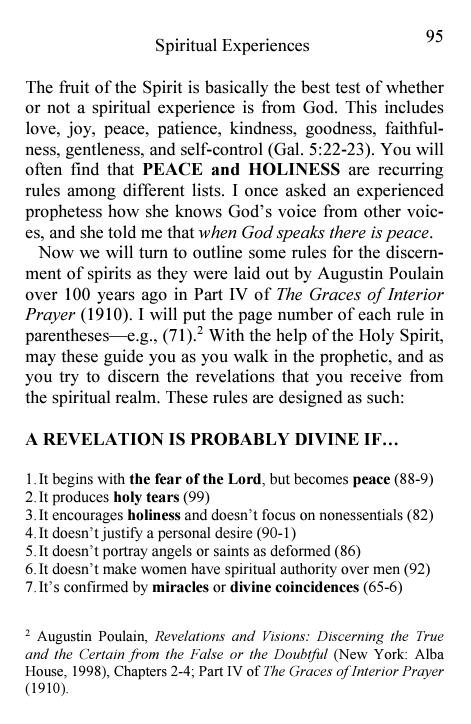

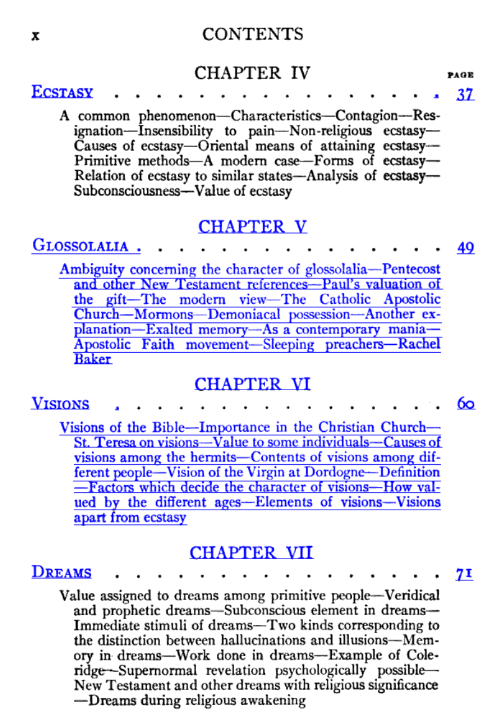

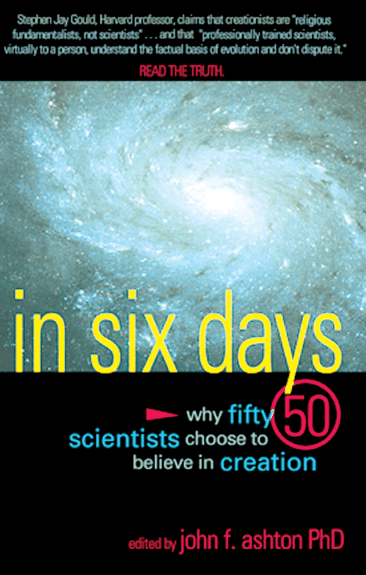
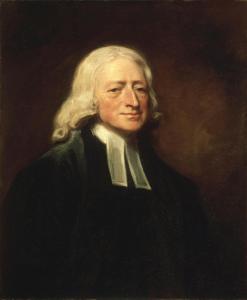
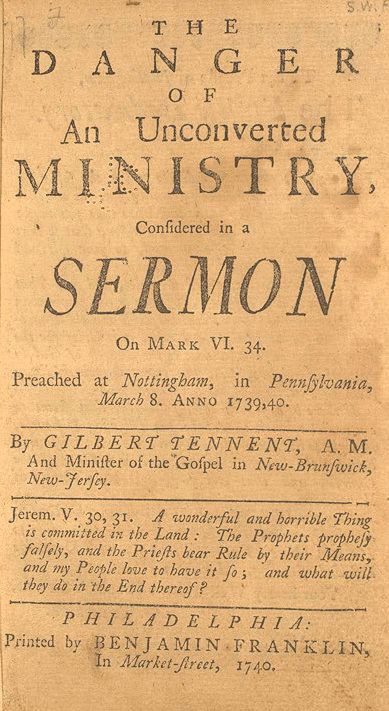
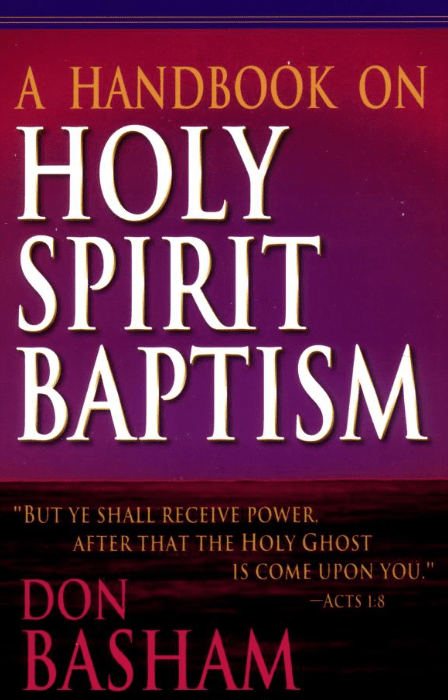


 WesleyGospel Ministries