—
FURTHER READING ON THE HOLY SPIRIT
Aside from John MacArthur’s anti-charismatic books: The Charismatics, Charismatic Chaos, and Strange Fire–all of which take their lead from B. B. Warfield’s anti-Catholic Counterfeit Miracles, and the naturalistic skepticism and deism of Conyers Middleton and David Hume. Aside from this anti-supernatural influence on modern Baptist preachers, whom for all intents and purposes, say they believe in lordship salvation, but mostly still live as if free grace were biblical Christianity. As if Scripture promised that not only suffering keeps us in the hand of the Shepherd, but also our own personal rebellion, and that an antinomian view of the imputed righteousness of Christ should lead us to truly hate any form of Christianity that involves applying the Ten Commandments to our personal lives. All this being considered, these considerations should make it pretty hard for real Christians to accept any seminary program or any preaching ministry that pours out of the mouths or keyboards from such backslidden preachers. Aside from this defective and deformed view of pneumatology, this dead and deistic view of God that blasphemes the Holy Spirit half the time by calling his miracles demonic, or by taking the Holy Spirit’s name in vain by utterly rejecting the testimony of any person, that involved him comforting or revealing things to them; which says, as Sinclair Ferguson did in his book on The Holy Spirit, that while he poured out miraculous gifts like a felt presence, dreams, visions, voices, and healing anointings way back in Bible times, all the Spirit really does today is give people faith in the cross and a desire to study the Bible; and so prayer is a one-way form of communication where Christians talk to God but never hear anything back from him; and that all of this is supposed to be for the glory of God.
Aside from their view of predestination which makes them believe they’ll be saved from Hell no matter how much pornography they watch, aside from their view of the cross which makes them believe the Ten Commandments don’t matter and faith doesn’t really uphold the law, and aside from their view of the Holy Spirit which makes them believe that God never shows himself to be real to their hearts or minds; but that whatever opinions they do hold about the Bible, if they could call it faith, must by some sort of logical deduction or inference come from the Holy Spirit. Therefore, they believe they really do have the Holy Spirit inside of them, because they hold these opinions about the Bible and because they go to church on a regular basis. Which might be why they’re opposed to pastors preaching real hard against sin and preaching at length about Hell. It’s their opinions that hold everything together for them, otherwise they would be lost and without God in the world. Where would they be without their religious opinions! They think that’s what faith is. Remember, to them, actual experiences of the Holy Spirit are completely absent. Most Baptists simply have an opinion-based view of reality. So, after all is said and done, holding Calvinistic or Baptistic opinions about God, is all the evidence you need to know that the Holy Spirit dwells within you; no further proof, no further evidence is needed, no examination of behavior, whether well-acted, genuine, or based on some degree of spiritual experience is needed, because as so many of them say about their lives, “There’s nothing mystical about it.”
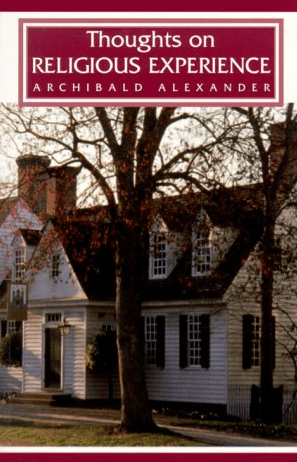
Aside from such a garbage type of Christianity as this, there still is hope for developing a relationship with the Holy Spirit within a Reformed worldview. I would start out with Archibald Alexander’s Thoughts on Religious Experience first; and then work your way back: older theology is usually better theology in this case. Pay attention to the sources he provides, especially from Jonathan Edwards and John Fletcher. After that, I would do book reviews of all four of Jack Deere’s Surprised books, with a critical view of the NAR characters that have been exposed since he wrote about them; and also a review of The Beginner’s Guide to the Gift of Prophecy. Then I would review Sam Storms’ books on spiritual gifts. This should set you on a solid path towards a real walk with the living God, two-way communication in prayer, of a God who gives experiences of himself and actually interacts with you in your life, not just your own made up thoughts. The top schools that use Deere and Storms in their seminary programs are Regent University, Southeastern University, Oral Roberts University, Assemblies of God Theological Seminary, and the Pentecostal Theological Seminary. The top denominations: Assemblies of God and Church of God. It would be good to review all of Richard J. Foster’s books as well.