4 Surely he hath borne our infirmities and carried our sorrows: and we have thought him as it were a leper, and as one struck by God and afflicted. 5 But he was wounded for our iniquities, he was bruised for our sins: the chastisement of our peace was upon him, and by his bruises we are healed. 6 All we like sheep have gone astray, every one hath turned aside into his own way: and the Lord hath laid on him the iniquity of us all.
–Isaiah 53:4-6 (Douay-Rheims)–
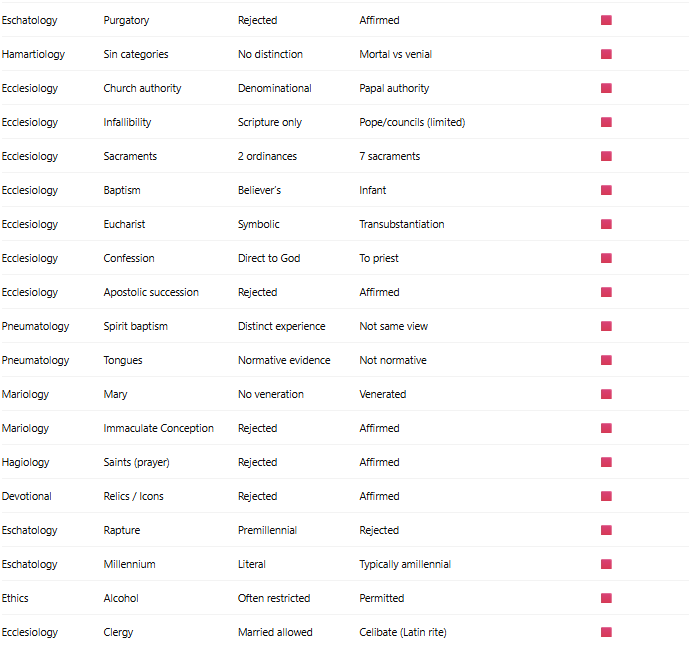
The Romish doctrine concerning purgatory, pardon, worshiping, and adoration, as well of images as of relics, and also invocation of saints, is a fond thing, vainly invented, and grounded upon no warrant of Scripture,
but repugnant to the Word of God.
–The Articles of Religion,
XIV. Of Purgatory.–
The pope cannot remit any guilt, except by declaring and showing that it has been remitted by God; or, to be sure, by remitting guilt in cases reserved to his judgment.
–Martin Luther,
The 95 Theses–
—
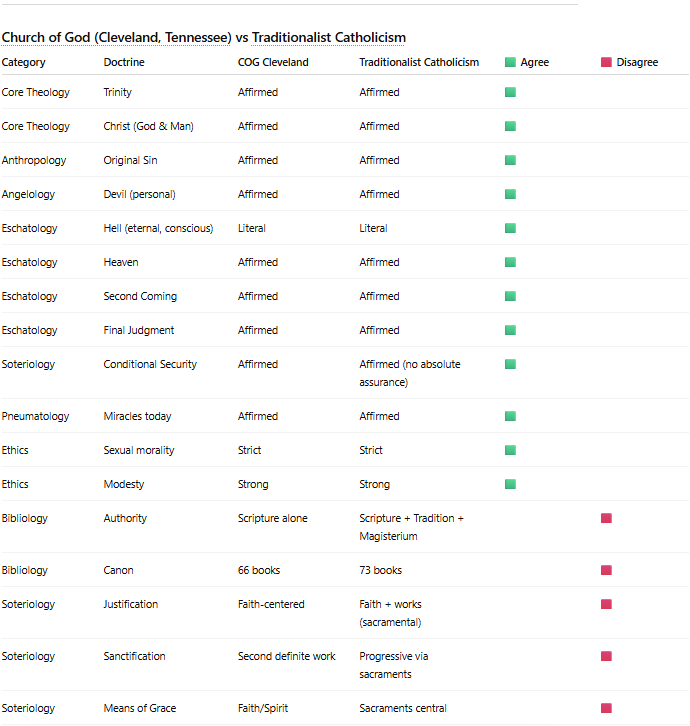
The Catholic Encyclopedia, “Antinomianism.” The bibliography of this article refers favorably to Samuel Rutherford, Richard Baxter, and John Fletcher–the first two were Puritan preachers, the last was a Methodist preacher and a personal friend of John Wesley. Puritanism and Wesleyanism are agreed with Catholicism against all forms of antinomianism (cheap grace and easy-believism). In other words, there is agreement that Christ’s death, burial, and resurrection are meant to accomplish salvation from Hell, and the forgiveness of believers’ sins, which result in real communion with the Spirit of God, a transformed life, and growth in holiness and obedience to God through Scripture reading.