
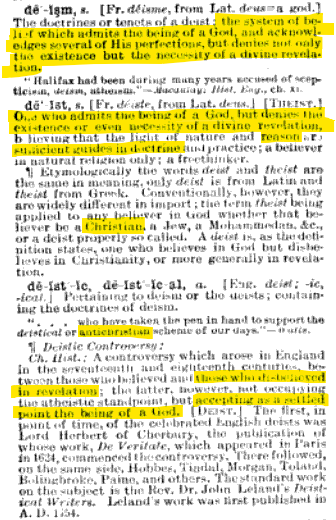
Based on this portion, it seems that John MacArthur believes the Holy Spirit is an influence on the Christian’s mind as he studies the Bible. It is also a moral energy to resist temptation. While he claims that the Holy Spirit is the living presence of Christ dwelling within the believer, the teaching is so brief and cursory as to be described by nothing but a few adjectives along the way (e.g., indwelt, led, filled, enabled, gifted, taught, illuminated by the Spirit). One is left with the impression that, because he rejects all charismatic experiences, his view of the Holy Spirit is only one based on trusting what the Bible says about its influence on the Christian’s mind in Bible study. There is no real presence of Jesus known by a felt experience: this is all something that has to be taken on faith as a Bible teaching, and logged away as yet another Bible fact: that we can all make the logical inference the Holy Spirit helps us to study the Bible and resist temptations. But there’s nothing supernatural going on here. He’s probably just taking his own mind and sense of right and wrong; and then humanistically calling that the Holy Spirit. So here we have nothing more than a deistic view of the Holy Spirit: he’s there because the Bible says, but not because he speaks, intervenes, or his presence is felt in any tangible way. MacArthur says, “The Spirit of God is still indwelling you even if all the good qualities just mentioned are not now present in your life. You may not sense the Spirit’s presence or feel like following His guidance every moment, but his presence is dependent on God’s promises, not our feelings” (The Silent Shepherd, pp. 112-113). So apparently he does believe that Christians can have moments when they “sense the Spirit’s presence,” and so that means something. But then shortly he denies the need for feelings of God’s Spirit and confidently asserts that our belief in the Holy Spirit should depend on “God’s promises,” in other words, what Jesus promised the Church about the indwelling of the Spirit in John 14. So Baptists and Presbyterians and non-charismatics are just left to trust what the Bible says: that Christians are indwelt by the Holy Spirit even though they practically never feel his presence at all. Their experience will reflect what they are taught. If people are taught to have faith to feel the presence of God, then the Holy Spirit will honor that faith. But if people are taught unbelief towards the presence of God, then the Holy Spirit will not honor such unbelief. Matthew 9:29 (KJV): “According to your faith be it unto you.”
—
Grace to You, “The Promise of the Holy Spirit, Part 1 (John 14:15-19).”


 WesleyGospel Ministries
These cessationist are bold and brag about diminishing Holy Spirit and His works. That’s what puzzles be how come they’re so bold and brazen to take a stand against the power of God saying it’s false and not real, that it has come to an end. How blown away MacArthur and others like him are going to be once they step into eternity and realize there was so much more God had. All of the gifts are very alive and active, these men choose to boldly deny Holy Spirits works. In my opinion this is true blasphemy of Holy Spirit.
In part 2, MacArthur said, “I’ve never felt the presence of God. I don’t even know what that means.”